Spiking charities have warned of risks to students in private accommodation following a Metropolitan Police alert about changing tactics used by offenders.
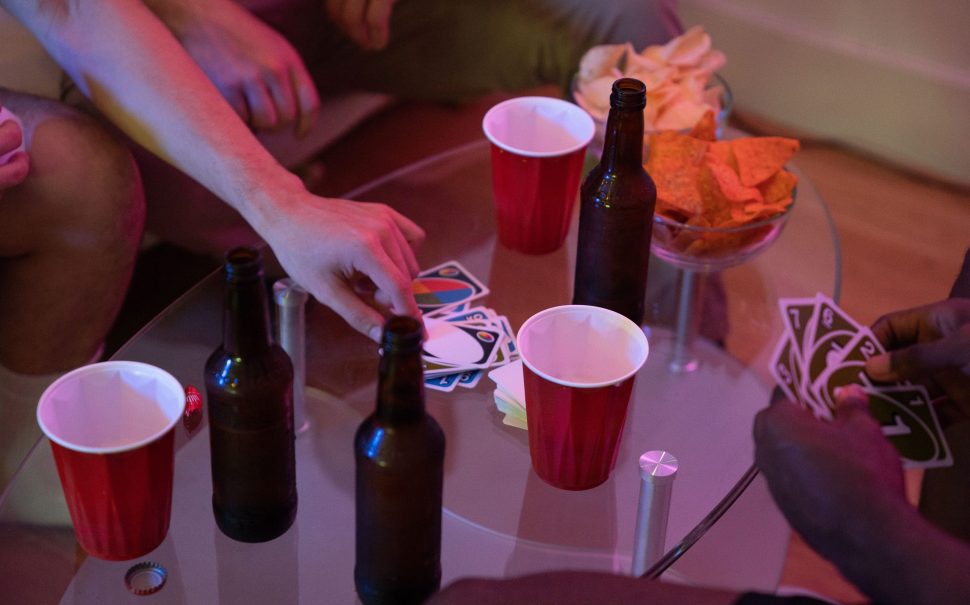
The Met warned offenders were increasingly using everyday medications and substances added to vapes, while also targeting victims in private settings, including student accommodation.
Colin Mackie founded spiking awareness charity Spike Aware UK after his 18-year-old son died just six weeks after moving into halls of residence at Edinburgh College.
He said toxicologists the equivalent of five ecstasy tablets in his Greg’s system but no alcohol. His parents believe his soft drink was spiked.
Mackie said: “He’d left school in June, and he was dead by November.”
He believes Greg’s surroundings left him vulnerable, saying: “I think if he’d been in a pub or a club, he’d have been a bit more alert. I think it was just the fact of where he was.
“He just thought he was with his friends, his new friends.”
Mackie believes rising nightlife costs and restrictions at some venues are encouraging more students to socialise in private accommodation. He warned that student accommodation can lack the security measures found in licensed venues, recalling that CCTV in Greg’s building covered entrances and exits but not the areas where students gathered.
He said: “You’re particularly vulnerable. You don’t have the same protection, so that’s why you need to be more aware of what’s going on around you.”
Mackie and his wife Mandy established Spike Aware UK in 2018 to raise awareness of spiking and support victims, having struggled to find help following their son’s death.
He said: “There was nothing, nothing like us before. We looked for someone to talk to, and there was nobody there.
“We didn’t want any other parents going through what we had.”
Alongside concerns about private settings, the Met has highlighted the use of everyday medications, including antihistamines and travel sickness drugs, as well as substances added to vapes.
Dawn Dines, founder and chief executive of Stamp Out Spiking, said the charity had received reports of suspected vape spiking for several years.
Dines described an early report involving a mother who accepted someone else’s blueberry-flavoured vape during a night out.
She said: “The next thing, she was unconscious, her head was down, blocking her airways. It was so frightening. She was hospitalised.”
Dines warned that sharing vapes can make suspected spiking particularly difficult to investigate.
She said: “If they’re using somebody else’s vape, and then that person takes the vape back, then there is no evidence.
“So don’t be sharing vapes.”
Police have specialist equipment to examine suspected contaminated vapes and identify substances that commercial testing kits may miss.
The Met has also warned that some substances used in spiking have narrow detection windows, making prompt reporting essential.
Anyone who suspects they have been spiked is urged to report it immediately, calling 999 in an emergency or 101 for non-emergency incidents.
Featured image credit: Kevin Malik via Pexels