Disposable vape usage has declined since a ban was implemented in the UK last year, but data shows the negative consequences of their sale and purchase have persisted.
According to a YouGov survey commissioned by Action on Smoking and Health (ASH), disposable vape usage fell a year after the ban, with 13% of 11-17-year-olds still vaping in 2026 – a significant decline from 42% in 2025.
Usage in adults follows a similar drop, with 8% smoking with disposable vapes compared to 24% in 2025.
The legislation, which came into effect in June last year, prohibited the sale of single-use vapes for all retailers, manufacturers and wholesalers in the UK to curb underage vaping and environmental waste.
Action on Smoking and Health chief executive Hazel Cheeseman said: “The sharp decline in disposable vape use is encouraging and suggests the policy is having an impact in driving people towards reusable products.
“However, further action is still needed to address the ways in which vapes are marketed to appeal to children.
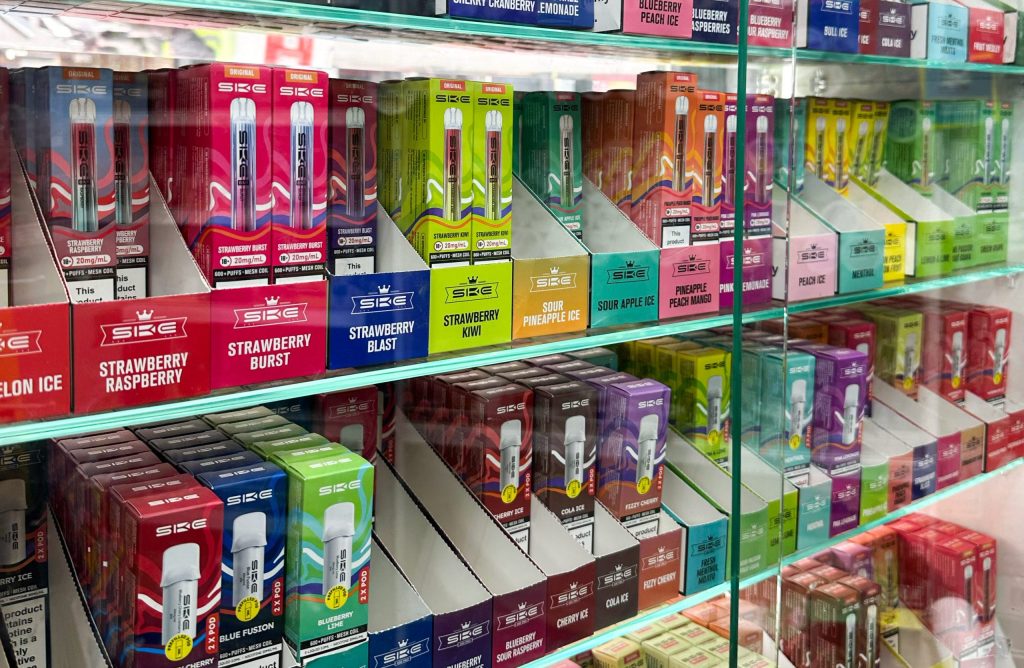
“Government must now use the powers in the Tobacco and Vapes Act to restrict the marketing tricks – like packaging and enticing flavour names – that make vapes appealing to children.”
In extension to the UK’s disposable vape ban, the government’s Tobacco and Vapes Bill was made into law last April with the promise of helping current smokers quit and creating a smoke-free generation.
What vapes are we still seeing on shelves?
A single-use vape is defined as a device that cannot be recharged, nor can its consumable component be refilled or replaced.
So while non-refillable disposable vapes were taken off shelves, many will still find corner shops selling new vape models packaged with replaceable pre-filled pods to circumvent the ban.
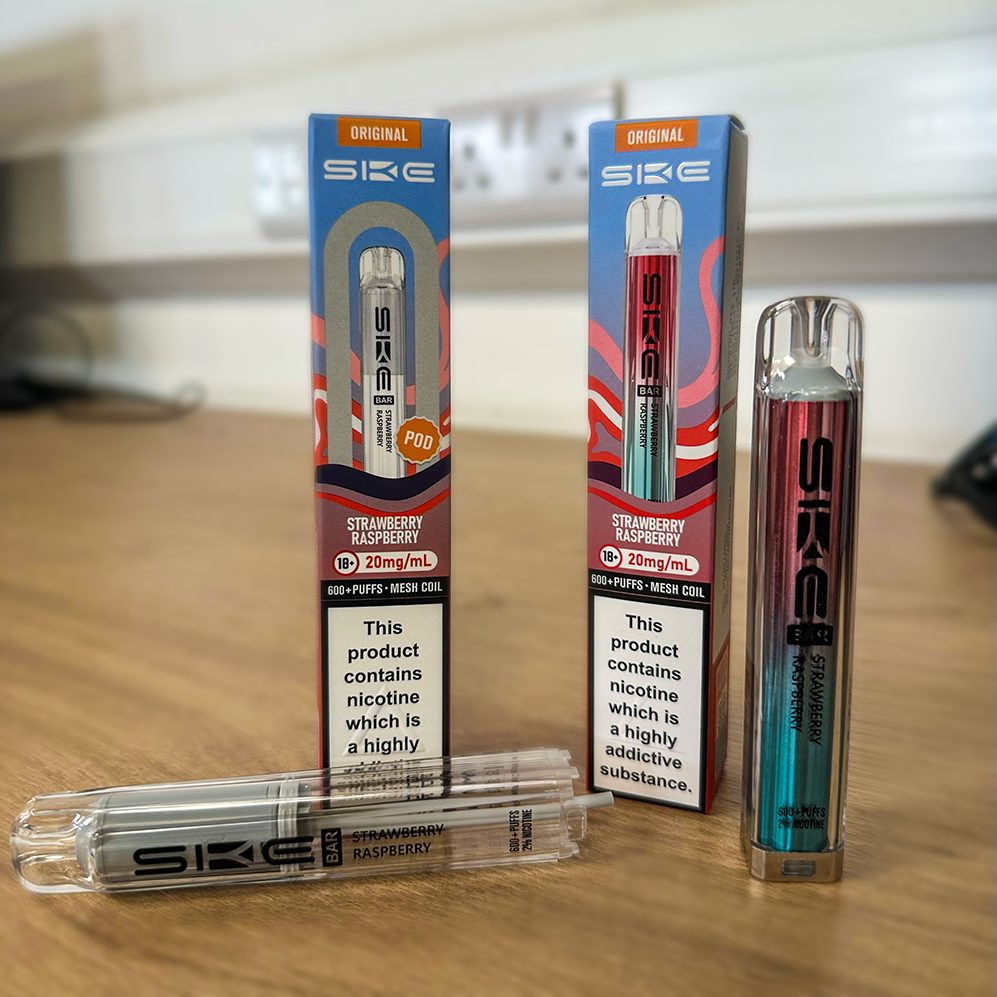
However, both the pod and device are effectively single-use in these new models – doubling what is thrown in the bin.
Environmental not-for-profit Material Focus revealed in March that 6 million disposable vapes and pods were still being incorrectly disposed of every week despite the ban, with 2.2 million still being bought per week.
Data from Haypp, as early as November 2025, flagged significant black-market activity in illegal vapes across the UK as well.
According to the smoke-free nicotine retailer, 62.5% of vapers were still using disposable vapes four months after the ban was implemented and of these, 35% of users are still actively buying illegal models.
Haypp head of external affairs Markus Lindblad said: “The widespread availability of these illegal devices points to a very active black market that will be very difficult to police.”
“In this context, the government’s plan to introduce a retail licensing scheme for tobacco and nicotine products is a welcome and necessary move.”
Was the ban effective?
Ultimately, 70% of vapers who mainly used disposables were unaffected by the ban, and 13% even reported that it led to increased smoking activity, according to ASH.
Smoking remains the leading cause of preventable death in the UK, responsible for about 80,000 deaths a year.
Data has shown that government legislation against tobacco and vapes, like the ban, is a positive step towards a smoke-free UK.
But experts call for more active enforcement against illicit vape retailers and increased access to correct recycling points, to push back against the ban’s unintended negative consequences.
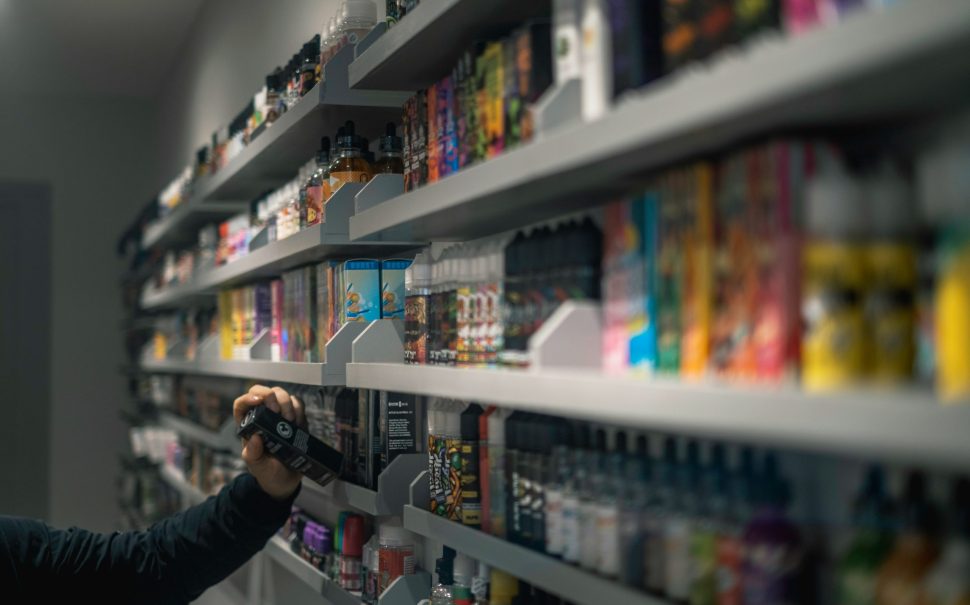
Featured image: Unsplash/E-Liquids UK