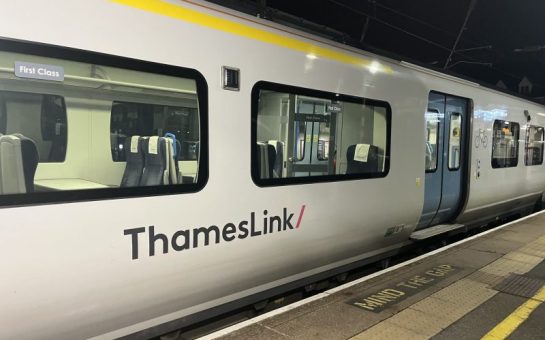
A recent Royal National Institute of Blind People (RNIB) report discovered 37% of blind and partially sighted people are unable to make the train journeys they want or need to.
That is roughly one in three.
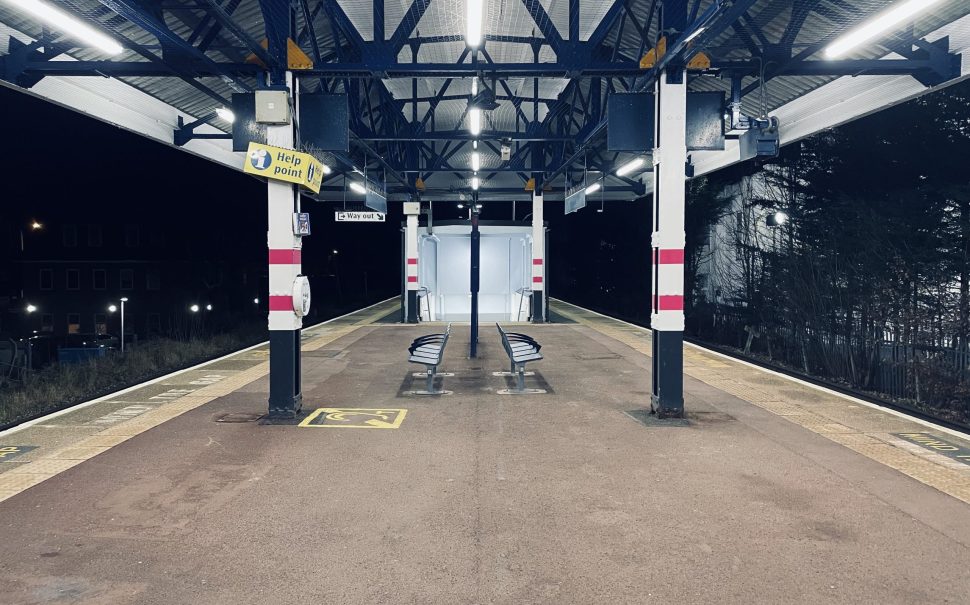
Imagine it’s a dark, cold winter night in January.
The ground is slowly beginning to sparkle under the dim artificial light, as frost creeps across the concrete towards the platform edge, making it slippery.
The ambient glow of the departures board is the only source of warmth for what feels like an eternity of waiting laid out before you, but its text unreadable.
The station is deserted, unstaffed, not a single other soul.
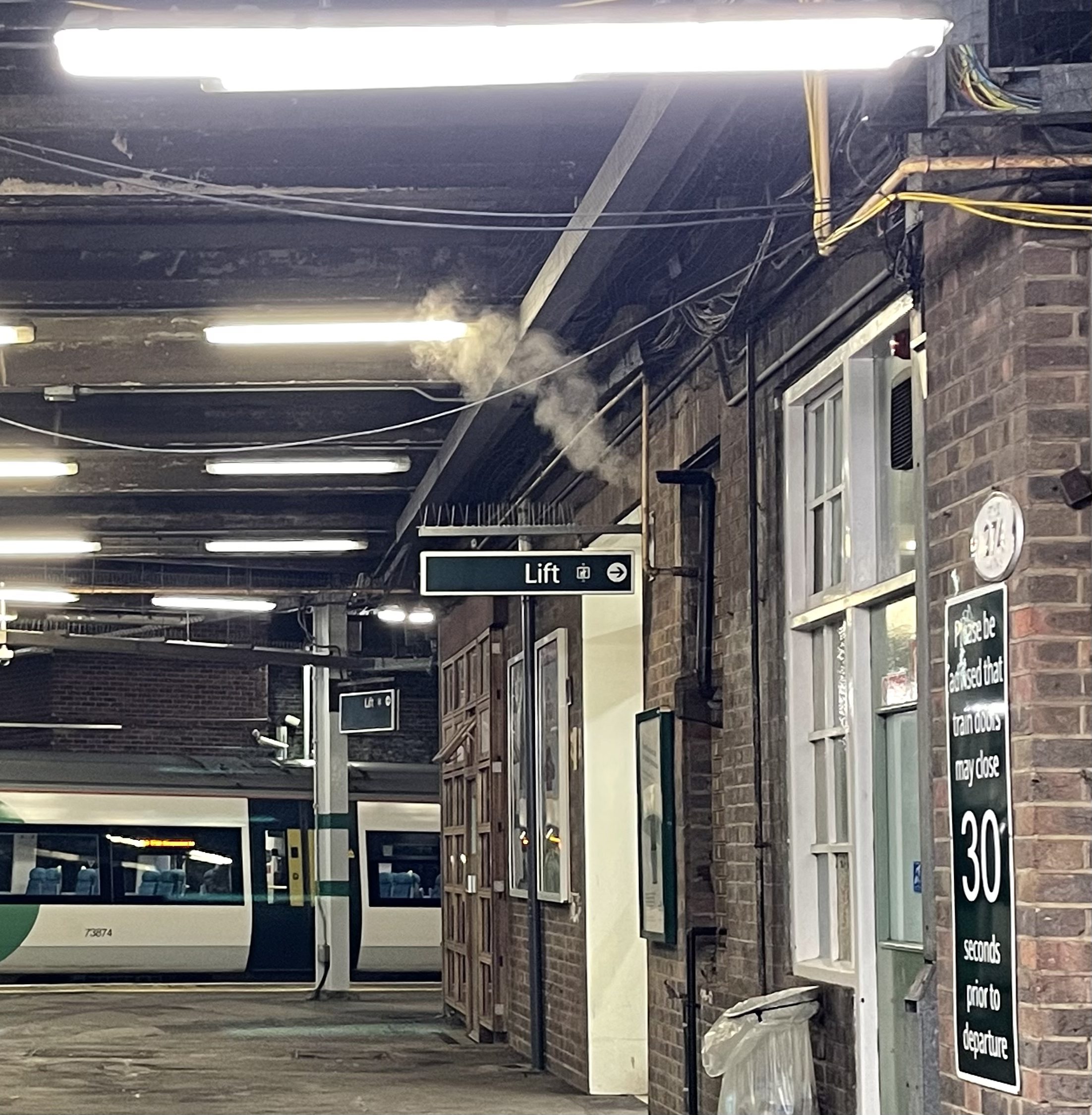
If you are blind or partially sighted these are obstacles you face day in day out.
The report titled platform for change, stated that many blind or partially sighted rail users cannot use unstaffed stations, 42% prefer collecting tickets from a staffed ticket office.
The RNIB report suggests accessibility exists, but can be inconsistent with 71% of respondents said using a ticket vending machine was ‘difficult’ or ‘impossible’.
According to the RNIB report, only 44% of people questioned in the survey said they were reliably met by assistance staff at destinations or connections.
The RNIB frames this as a once in a generation opportunity as Great British Railways (GBR) pulls into the station.
GBR could standardise signage, audio announcements, apps and websites and even staff training.
But for Richard Jenkins, member of Blind Veterans UK, these infrastructure changes could take decades, whereas the adoption of new technology could have an impact this year.
Jenkins has enjoyed a long career in tech and suggests that AI, legislation and connectivity are pointing towards 2026 being an inflection point.
He described to the South West Londoner the process of arriving at an unstaffed station.
He said once you’re at an unstaffed station the chances of the journey going to plan drop below 50%.
Jenkins said: “You’re taking your life into your own hands.”
Overcrowding can also be dangerous, tapping his cane along the back of the platform often isn’t an option as it involves bumping into people.
The yellow line on the platform is a shorter distance from the edge than the length of his cane.
He said: “You can be standing in the middle of Victoria Station with thousands of people around you and feel extremely isolated and lost and anxious.”
For the most part Jenkins’ experience of assistance staff has been good in places like King’s Cross and Victoria.
He praises the human side of the process saying they couldn’t do more for him, stating that TFL do an excellent job at connecting overground staff with underground staff.
The experiences described by Jenkins reflect the wider findings of the RNIB report, which repeatedly returns to one central issue – inconsistency.
Accessibility measures may exist on parts of the rail network, but they cannot be relied upon in the moments passengers need them most.
This unpredictability forces blind and partially sighted people to plan, build in extra time, or avoid travel altogether.
Jenkins said: “getting from A to B is a right.”
While GBR is positioned as a structural solution, the scale of reform required raises questions about timescales.
Standardising physical infrastructure across a national network could take years, if not decades.
For passengers travelling today those changes may not come in their lifetime, but the key to accessible travel for Jenkins has been AI.
He said: “AI has virtually enabled me to see.”
Tools on Touchpulse like vision AI use real time on device intelligence to instantly identify obstacles, signage and landmarks.
Navis AI can understand the context of your environment and help blind or partially sighted people navigate through contextual awareness.
Jenkins said: “All of these problems, garbled announcements, missed platforms, lack of information, are solvable with technology.
“Why can’t announcements be sent straight to my phone or my earphones, where I can hear them clearly?”
Technology is now in a place where organisations can provide services that could change people’s lives.
Allowing them to read menus independently, know what shops they are passing or find a bin.
Jenkins’ experience shows how artificial intelligence and real-time navigation tools are already filling gaps.
Where announcements are unclear or absent, AI-powered tools can provide information directly.
Where signage is inaccessible, vision-based systems can interpret the environment and relay it audibly.
These tools do not replace staff or physical accessibility, but they can reduce risk and anxiety in the interim.
RNIB’s research highlights that digital exclusion remains a significant barrier, particularly for older passengers.
Any technological solution would therefore need to work alongside human assistance rather than replace it.
For passengers like Jenkins, the stakes are not abstract, they are measured in added risk, and lost independence.
The decisions made now will shape who can travel freely and who is left waiting on the platform.
In a statement a rail delivery group spokesperson said improving accessibility across the rail network is essential to making sure passengers can travel independently.
The spokesperson said: “We know sometimes we don’t get it right, but the whole rail industry is working hard to improve how we support passengers with accessibility needs.”
The Rail delivery Group spokesperson adds they hope to build a more inclusive and accessible railway where no passenger is left behind.
The spokesperson said: “That means improving services like passenger assist, turn up and go assistance, and ongoing investment in station accessibility.”
The group points to working with customers and accessibility groups including organisations supporting blind and partially sighted people.
Featured image credit: Joshua Brown