
Scorching pavements and record temperatures mean one thing: your dog is at risk.
Owners must not ignore these fatal risks, says veterinary surgeon Dr Filipe Dias, as London’s record-breaking temperatures hit.
Heatstroke can significantly damage a dog’s internal organs and lead to death if untreated.
Dr Dias said: “In these temperatures, everything should be treated as an emergency.
“You won’t see the signs of internal damage for a few hours or even days.
“In the interim, you have a short window of time.
“If your dog gets heatstroke, you could be making a fatal mistake.”
Some dog owners think they should wrap their dog in a towel if it is showing signs of heatstroke.
But Dr Dias said this makes things much worse because the towel actually traps the heat.
He also said that submerging your dog in water is incorrect.
It can cause the dog even more anxiety and doesn’t effectively cool them down. In the video above, Dias explains what you can do instead.
The Twickenham vet also said initial heatstroke symptoms can take many forms.
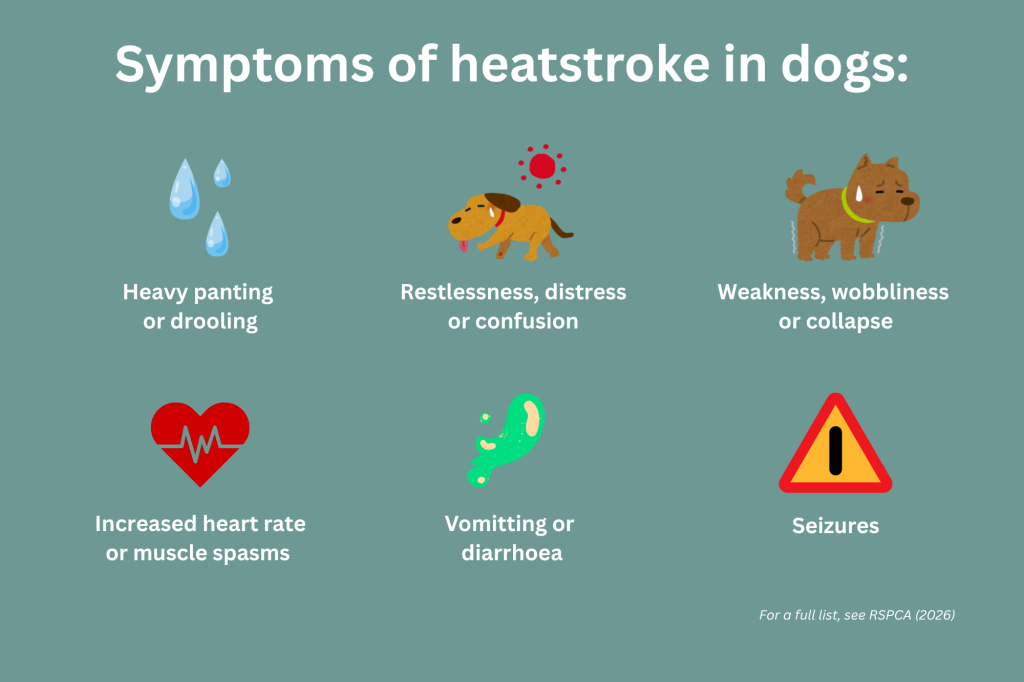
Dr Dias – who works at King Street Vets – also had advice for owners to mitigate these risks:
- Plan your walks: Early morning and late evening walks are essential. Daytime temperatures are currently far too high for dogs to exercise safely.
- If needed, skip the walk: If you are risking heatstroke, it’s safer to entertain them indoors.
- Test the pavement: Before you leave, touch the pavement with the back of your hand. If you can’t hold it there for five seconds, it’s too hot for your dog’s paws.
- Hydration is key: Ensure fresh, cool water is visible to your dog. You can even add some ice cubes under supervision – providing they are large enough not to risk choking.
- Create a cool zone: Tiled floors are great for dogs to lie on. But you can even wet a towel and put it on the floor for your dog to lie on. It’s vital to ensure there is ventilation.
- Avoid at all costs: Never leave pets in cars, conservatories, caravans, sheds or poorly-ventilated rooms.
- Frozen treats: You can even make some frozen treats for your dog – here are some RSPCA-approved recipes.
As Dr Dias said: “The margin for safety is small in these extreme temperatures.”
For more guidance, visit the RSPCA’s website.
Featured image credit: Elsa Nightingale