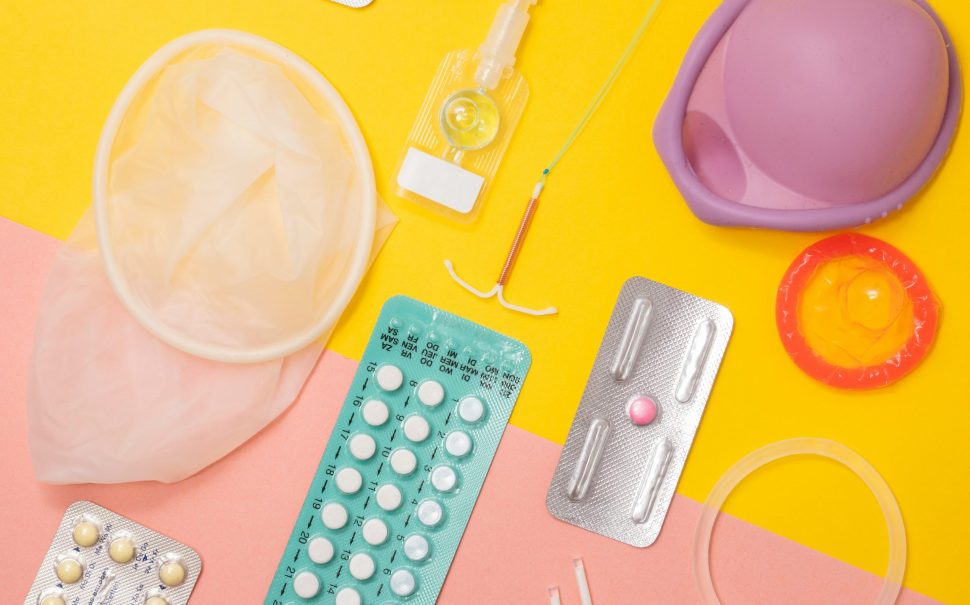
There has been a 47% reduction in contraception-related contacts with Sexual and Reproductive Health (SRH) services in the last 10 years, according to new NHS sexual health data.
Both the number of women using Long-acting Reversible Contraceptives (LARCs), such as the implant, injection, hormonal and non-hormonal coil, and user-dependant methods, like the pill and condoms, have steadily declined.
The use of long-acting contraception is now higher than user-dependent methods in women using SRH services.
Dr Anatole Menon-Johansson, Clinical lead at Brook Sexual Health Charity, suggested this overall decline correlates with women’s growing mistrust in hormonal contraception, budget cuts by governments to SRH services, changes to abortion delivery, and the legacy of the Covid-19 pandemic.
“When funding goes down that translates to the number of staff going down. Clinical services are also trying to deal with a rise in STIs. I mean syphilis and gonorrhoea are at all-time highs,” said Dr Menon-Johansson.
Sexual health clinics are responsible for STI testing and treatment, as well as contraception services, and since the commissioning of these services was moved to local government in 2013 there have been budget cuts of over a third, according to a Guardian analysis of 2013-2024 data.
Dr Menon-Johansson emphasised that the pandemic cannot solely be blamed for this “contraception gap”, as figures were already waning- and have been incredibly slow to recover.
“We are going as fast as we can,” he said. “But a lot of women find it hard to get into services, and find it hard to turn to services if what they’ve been given isn’t working for them”, which he stressed is more likely to happen where staff are overstretched.
Most notably, women with a prescription to the combined and mini-pill from SRH services has more than halved (-60%) since 2015, a decline that began pre-Covid but plummeted during the pandemic and never recovered.
It is however important to note that some of this decline will also be attributable to both pills now being available from many pharmacies, as well as still from GPs, which is not reflected in this data.
Sexual health charities report that more women express mistrust in hormonal contraception, a feeling which particularly accelerated during Covid-19, alongside emerging data about benefits and risks of the pill to women.
Doortje Braeken, lecturer on sexuality at Amsterdam University and former senior advisor at the International Planned Parenthood Federation (IPPF), contrasts this growing sentiment to when, as the first female-controlled modern contraceptive, the pill was central to the “sexual revolution”.
She said: “We used atomic bombs almost in comparing what the pill is now. People wanted to enjoy sex again without any fear.
“I think we have not thought a lot about fake news and the concerns of women with hormones – it was neglected as not important at the time,” adding that pharmaceuticals “took advantage” of that.
The hormonal coil saw a drop of almost 10% from 2024-2025, whilst LARCs in general were 5% lower overall in 2024/25 compared to the previous year.
This drop is likely even higher in fertile women, as 18% of all hormonal coil users were 45+ as it’s often given to women post-menopause to manage hormones and bleeding.
Whilst it’s particularly hard to track condom usage due to various outlets, most sexual experts report a decline in their popularity also, and experts are therefore asking the question: is contraception being used?
Meanwhile, the rapid proliferation of fertility-tracking apps in recent years have taken many by surprise, catalysed by social media influencers promoting ‘natural’ methods like cycle-tracking.
A key criticism of fertility apps is that they are totally reliant on the user inputting data correctly to predict fertility, and, according to the NHS, 1 to 24 of every 100 women using natural planning get pregnant each year, which is lower than any other NHS-approved contraception method.
However, many of these more serious apps claim that with proper user data inputs, and proper condom usage in women’s fertile periods, their efficacy is actually much higher.
One anonymous 26-year-old woman, who alongside many young girls was first put on the pill at 15 for “debilitating” periods, explained to me how she came off the pill to restore her natural cycles and hormone regulation.
She said: “I was so scared to come off it – but I thought this is no solution because, blimey, I’ve had these hormones pumped through my body for a long time. It didn’t take long to research and realise that cancer levels go up, and it’s linked with lower happiness levels and libido.
“It took me a long time after coming off the pill to get any kind of regular period- which just goes to show the influence those hormones were having.”
She now uses a natural cycle tracking app, which uses temperature-taking and symptom-tracking methods to monitor fertility.
She and her long-term partner are very strict with condom usage during her fertile window, even using them for longer periods than is actually recommended by the app.
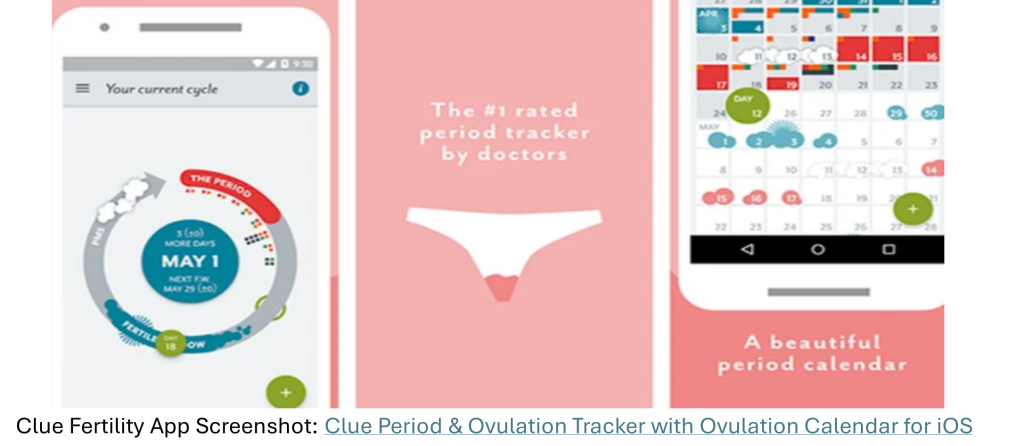
In a nationwide survey of women requesting abortions by the by the British Pregnancy Advisory (BPA) service, those who said they were not using any form of contraception rose by 14% between 2018 and 2023 to reach 70%.
Use of fertility awareness based methods at the time of conception increased from 0.4% in 2018 to 2.5% in 2023.
Dr Menon-Johansson said: “We need to help women to find the method that helps her appropriately prevent or space children through her life. That’s what an ideal system would be like. That women could turn up. Have all their history with them – and that they can have that conversation and working partnership with professionals who are listening to them.”
Failing a positive experience with contraception services, evidence shows that women turn to the plethora of other sources of sexual health information online and on social media.
Councils like Bristol now recruit specific social media outreach officers to target online misinformation about sexual and reproductive health.
Happier and healthier relationships have a high correlation with a contraception method being in place, and Doortje emphasised the need to bring men in on the conversation.
“Sex is not something you do by yourself. We have never really helped boys and girls talk.
“Why do you use contraception? I think because you want to have sex? People in power find it difficult to link contraception with sex,” she said.
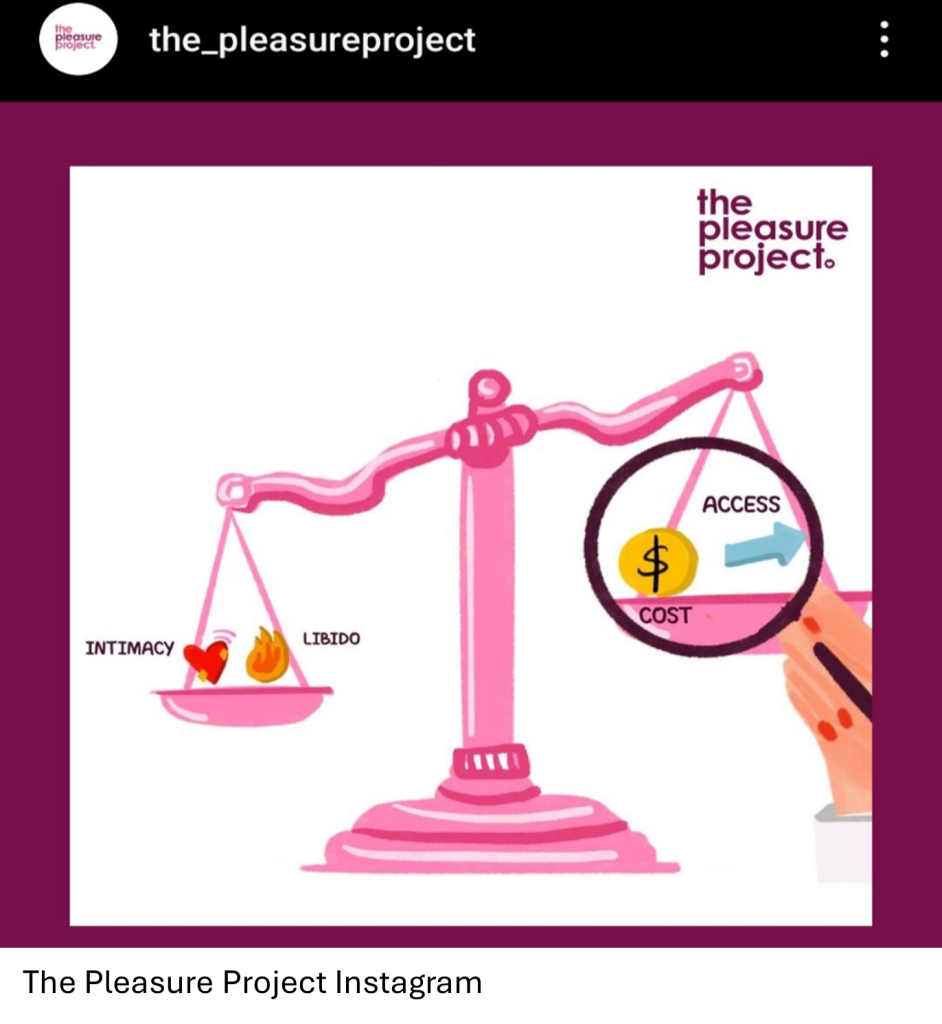
She referenced the Pleasure Project, whose slogan is “putting the sexy into safe sex”, aiming to centre pleasure within contraception education, particularly when people are losing their virginity and having their first sexual experiences.
As contraception levels decline, experts will be looking to how many more “unexpected pregnancies” there are in the UK, and the knock-on effect this may be having on climbing abortion rates amongst other impacts.
Featured image by Reproductive Health Supplies Coalition on Unsplash