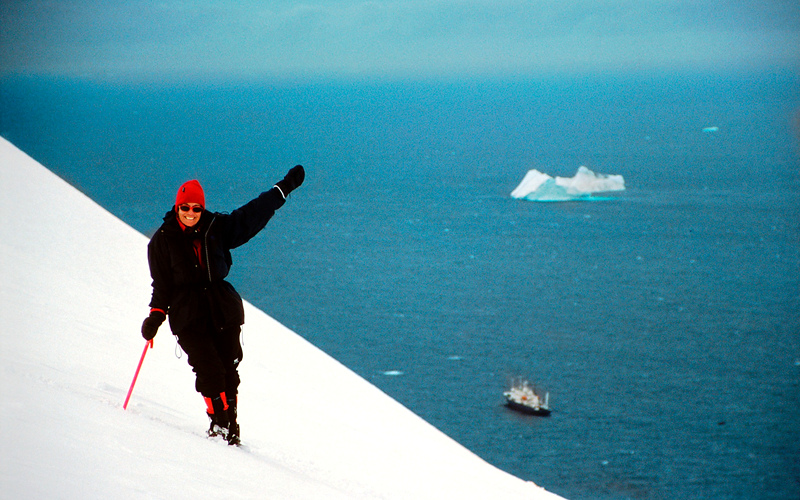
Catherine DeVrye has visited over 150 countries, met people living in the aftermath of civil war around the world, been invited to speak by the Bahraini Royal Family to share her experiences and witnessed the 2024 Bangladesh riots firsthand — memories she shared with the South West Londoner in none other than a coffee shop in Twickenham.
The 75-year-old bestselling Canadian-Australian author and international speaker has sold over 250,000 copies of her ten books documenting her travels worldwide, which have been translated into numerous languages.
She has kept daily journals for more than 50 years, recording her personal experiences worldwide that would form the basis of her books and speeches.
“Highs and lows, left and right, most of us live our lives in the middle,” she said.
She left North America in her early 20s following the loss of both of her parents with nothing more than $200 and a backpack.
This was the start of her travels that took her to 77% of the world’s 195 commonly recognised countries.
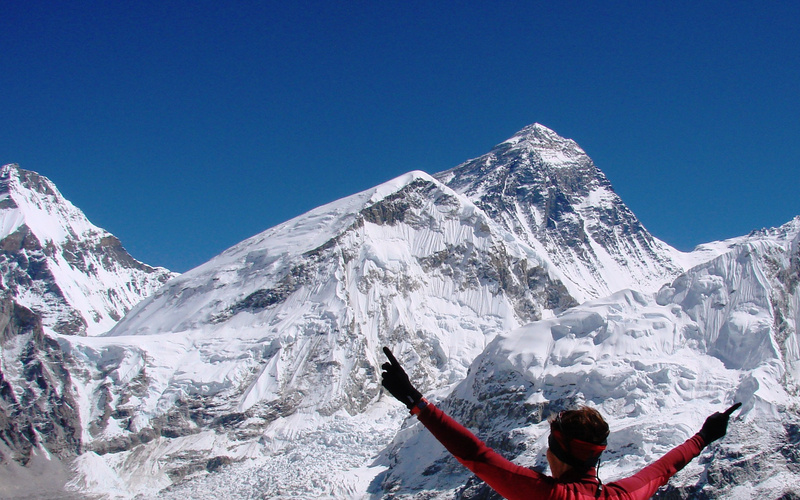
This has taken her up mountains to Everest, down in Madagascan waters to swim with sharks, and across the world where her books have been translated in more than a dozen languages.
At times, her books had reached even farther than she realised herself.
She was presented with a Bulgarian translation of her book during a home exchange in Sofia and meeting an unexpected fan in Bray, Ireland.
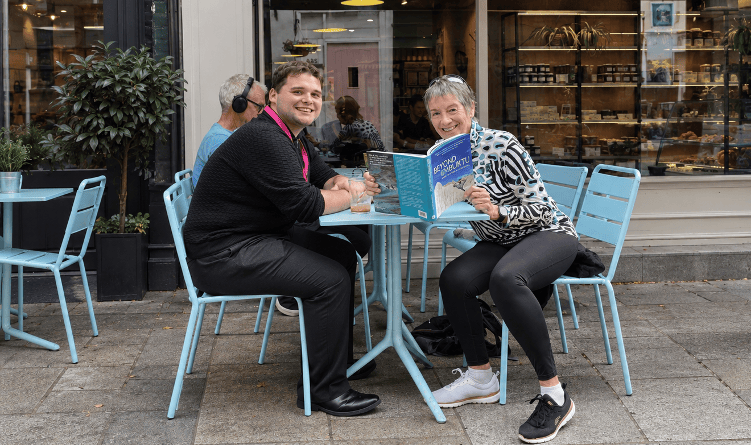
The purpose of her latest book – Beyond Timbuktu: Journeys of Hope and Humanity – aims to highlight, in her words, “a glimpse of humanity beyond the headlines”.
The book tracks her experiences in these countries in an A-Z format detailing her experiences across the years in a conversational tone that can be likened to a diary format.
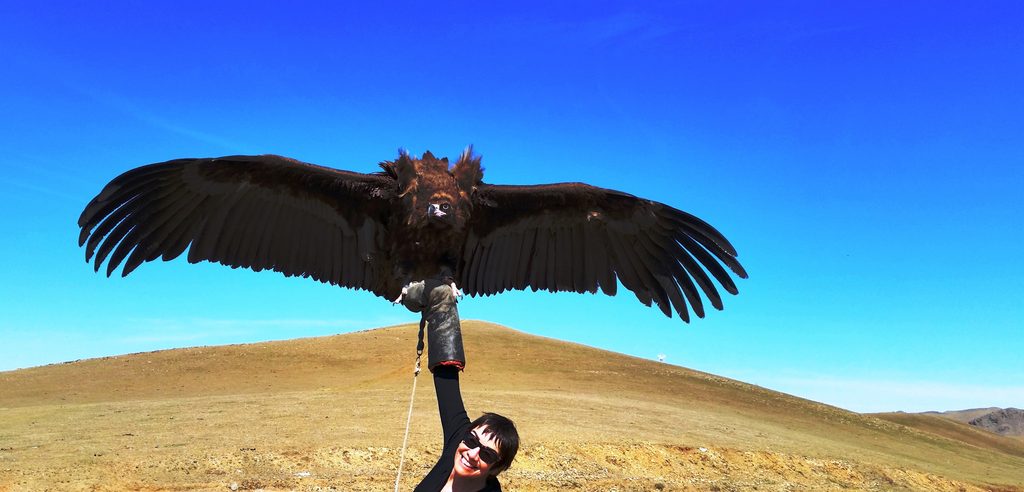
These experiences range from heartwarming to gut-wrenching.
In one chapter, she talks of playing piggy-in-the-middle with children in Guinea Bissau, in another she describes being off the grid in Yemen whilst their main airport was bombed.
In the book centred around overcoming one’s preconceptions of a country, she admitted that even she had to overcome her own initial perception of London.
“Even when I went to Buckingham palace it was bucketing it with rain.
“I arrived looking like a drenched rat.”, she said.
However, she found that a London that opened itself up internationally for the 2012 Olympics changed her perception.
“It showed me a different London than I’d seen before,” she said.
“It was just brilliant.
“It was a blue sky and there was no pollution, that was my best day ever in London, for sure.”
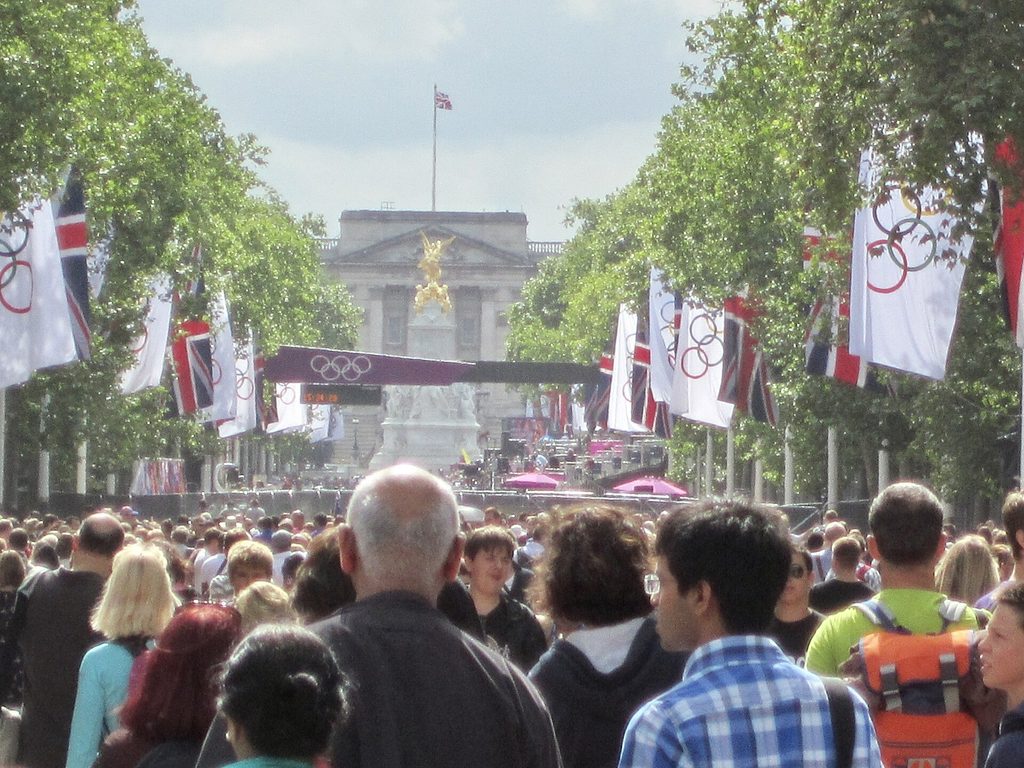
The London Olympic and Paralympic Games attracted nearly 700 thousand people to the city in 2012, according to the Office for National Statistics.
This number reaches nearly 900 thousand when cultural events are included such as the London 2012 festival.
It was also estimated that this raised £925million from spending of tourists.
However, she said that perhaps her most moving London memory was in 2007, just hours after returning from Timbuktu.
“I found myself standing in the dairy aisle of a local Sainsbury’s supermarket, tears silently streaming down my cheeks, overwhelmed with gratitude for everyday things we take for granted in developed countries, like refrigeration, as fellow shoppers from London’s wonderfully diverse cultures passed by,” she said.
But multiculturalism dominates political discourse today.
It has been argued by politicians across the political spectrum that migrants are not compatible with British values due to the countries they typically come from.
This month, Reform UK leader Nigel Farage said: “Some asylum seekers could fundamentally change British and Western ways of life.”
However, the central message and aim of Beyond Timbuktu is to look beyond the actions of governments and politicians and instead focus on the people.
Catherine said: “I’m hoping it gives people a better appreciation of our world other than what we see on the 6 o’clock news.”
She emphasised her aim to make the book apolitical and how all people around the world have very similar experiences, noting potholes were a bigger threat than bandits in Argentina.
Simply, she was far more focused on pure human interaction.
She said: “Everybody wants a better life for their family, for their kids.
“They have their doubts of death and dying, they worry about sickness.
“It’s all so similar, we all think we are so unique.”
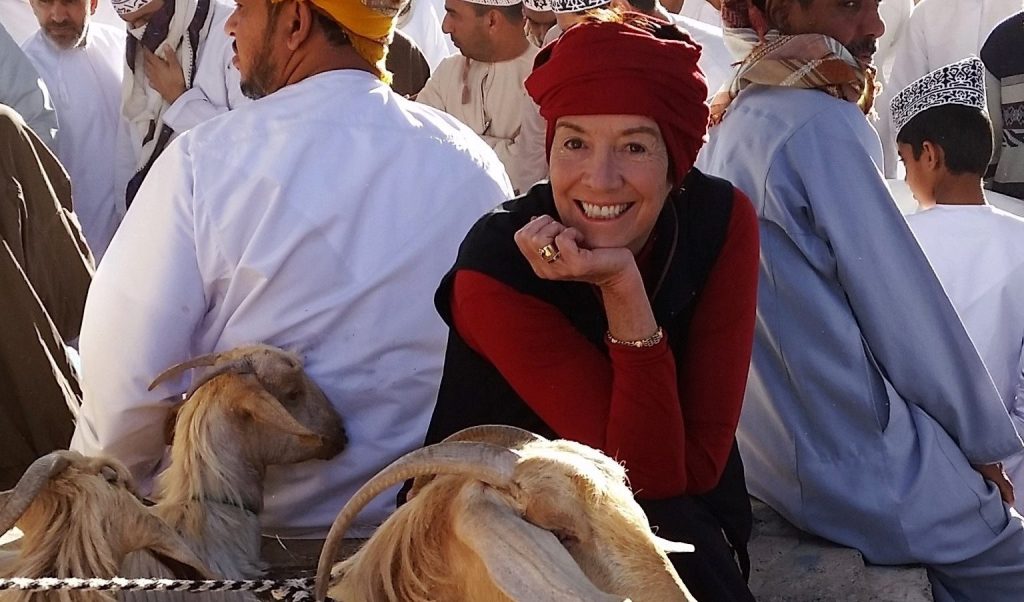
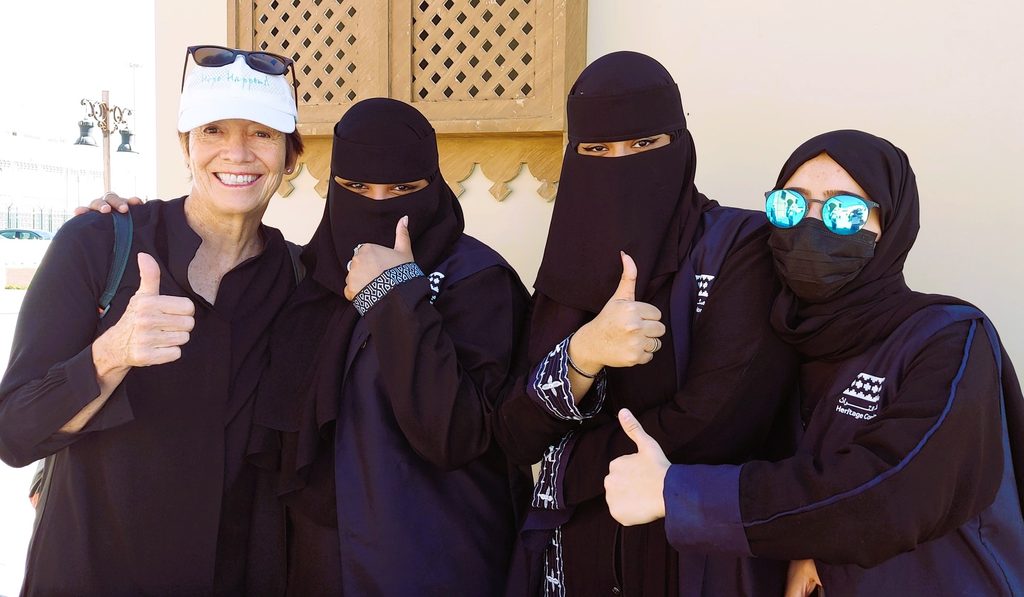
She said some of the best hospitality she received was in Iran with many citizens she met thanking her for not believing stereotypes about their country.
Catherine added many of the people she spoke to didn’t hold the views that people might expect.
She recalled meeting two Syrian refugees whilst in Serbia as they passionately debated about the Syrian president with one another, highlighting the diversity of ideas.
Above all, Catherine emphasised the wealth of experience that travel brings, the book contains an index of quotes highlighting the value of travel that initiate each chapter.
She said that travel is not an answer to prejudice, but a tonic, and hopes readers will get a sense of that in reading the book.
Catherine is aiming to release Beyond Timbuktu in UK bookstores soon, but it can already be purchased online, with all royalties going towards Doctors Without Borders.
“I hope that it would encourage people about visiting some of those countries rather than just what they read in the newspapers but also think differently about their neighbours that come from other countries,” she said.
Featured image credit: Catherine DeVrye

Join the discussion