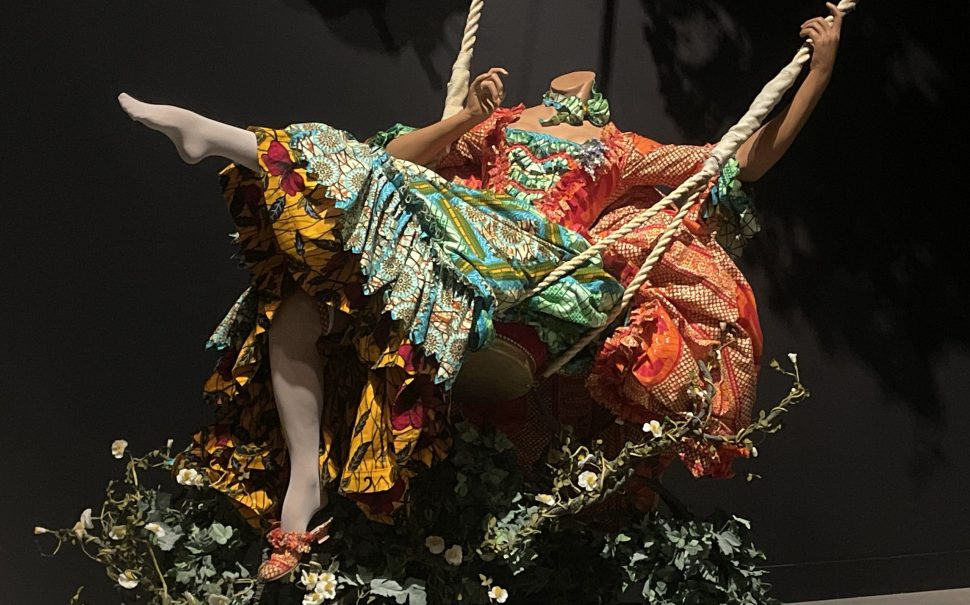
A new exhibition at Tate Britain has opened and looks to challenge the romanticised nostalgia of the 1990s.
The ‘90s: Art and Fashion is curated by Edward Enninful, OBE, the former editor-in-chief of British Vogue, and opened on October 8 showcasing raw snapshots of youth subcultures often ignored by mainstream media.
The exhibition looks at Black, queer, female and working-class youth spaces, challenging the popular ideas of the decade in the media of peace, community and social prosperity.
In the exhibition catalogue, Enninful said: “This exhibition has been conceived not as an exercise in nostalgia but as a form of critical reflection.”
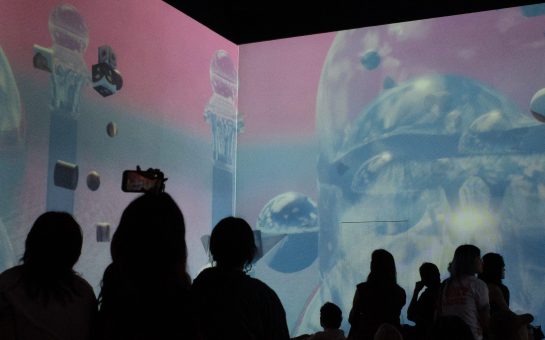
The exhibit walks visitors through changing trends and societal shifts of the period through photography, sculpture, fashion designs, magazines and artwork. It explores different cultural movements and how the ‘90s became an era of change that created opportunities for new voices to be heard.
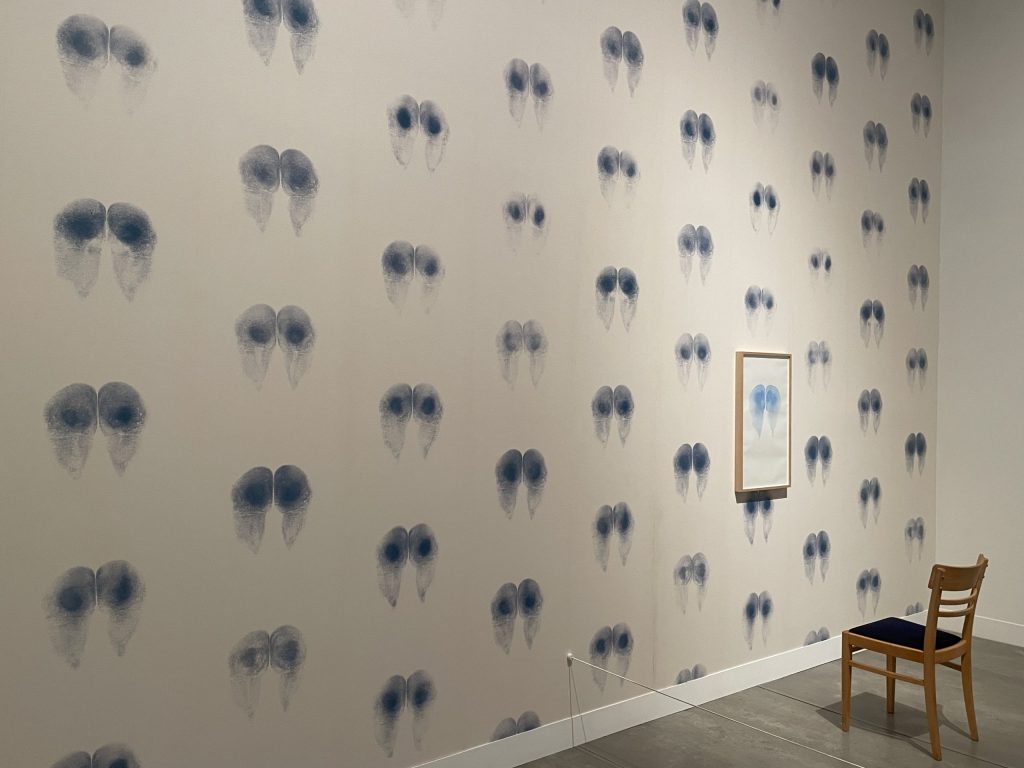
The display has photos of British nightlife, old i-D magazines, where Enninful himself started his career, wallpaper of a printed backside and a curated Spotify playlist for observers to enjoy.
It features iconic designers like Vivienne Westwood, John Galliano and Alexander McQueen and celebrated artists like Damien Hirst.
The 1990s are widely recognised as a prominent cultural theme when it comes to the idea and appeal of nostalgia, the last generation of political peace and true social connection before social media.
The nineties saw the end of Margaret Thatcher’s premiership, the fear of nuclear war, the Soviet Union and the elitism of the eighties. The internet was not as deeply ingrained as it is in modern life and people talked to one another.
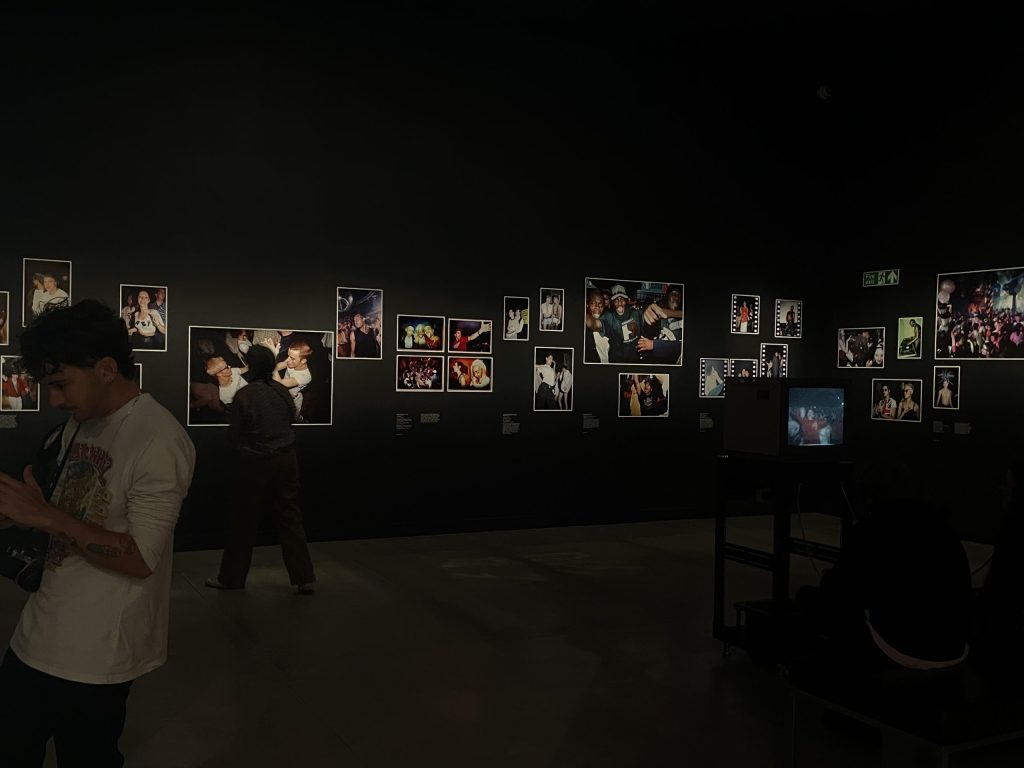
Younger generations, who may have an idealised picture of the era through glamorised by shows like ‘Friends’, are reintroduced to the decade through counter-cultures and raw struggles faced by those who lived through them.
Exeter University Professor Neil Ewen, an author and expert on the idea of cultural memory, praised the exhibition for provoking viewers’ thought and not just being a sentimental display.
He said: “There’s comfort in looking to the past.
“It’s remembered as a relatively peaceful period between the end of communism, the fall of the Berlin Wall and 9/11.
“That’s a construction because you had the Rwandan genocide and the Rodney King racial riots. But in the popular imagination, that’s filtered out, the ‘90s become this period of calm and prosperity.”
This exhibition touches on groups who found new voices, women who challenged the idea of feminine sexuality, people of colour who combatted stereotypes of aggression and the colourful nightlife of queer people.
Nostalgia can be used to create a sense of safety and to find comfort in familiarity. Prof. Ewen believes that people are looking back more than ever now as modern life becomes more unstable.
He said: “People are struggling to pay their bills. People are worried about AI, about the climate breakdown and the end of the world as we know it.
“The world seems to be in a really bad place and one of the reasons why the ‘90s seems to be attractive, if we filter out all the bad stuff that actually happened, is that it provides a sense of comfort.”
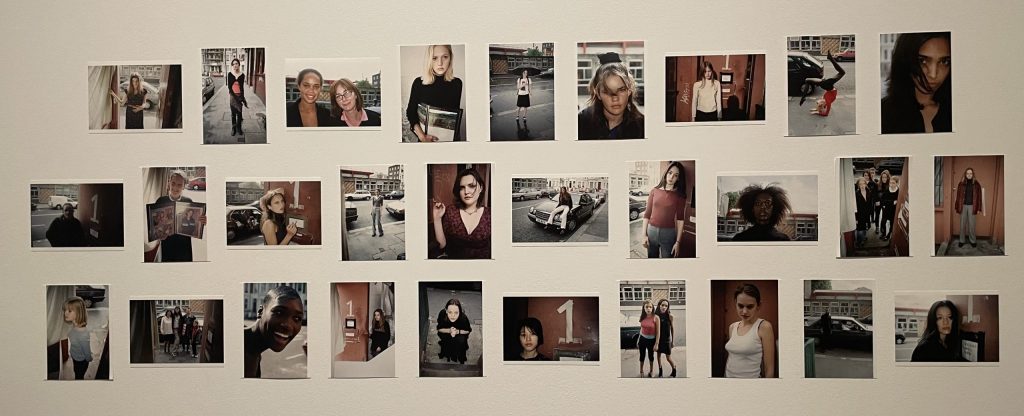
The ‘90s: Art and Fashion shows a less glamorous view of the 1990s, a raw, unfiltered depiction with images pulled straight from the past. It displays the cultural changes society sometimes forgets.
The exhibition runs until February 14. For more information visit the Tate Britain website.
Featured image credit: Miranda Brown

Join the discussion