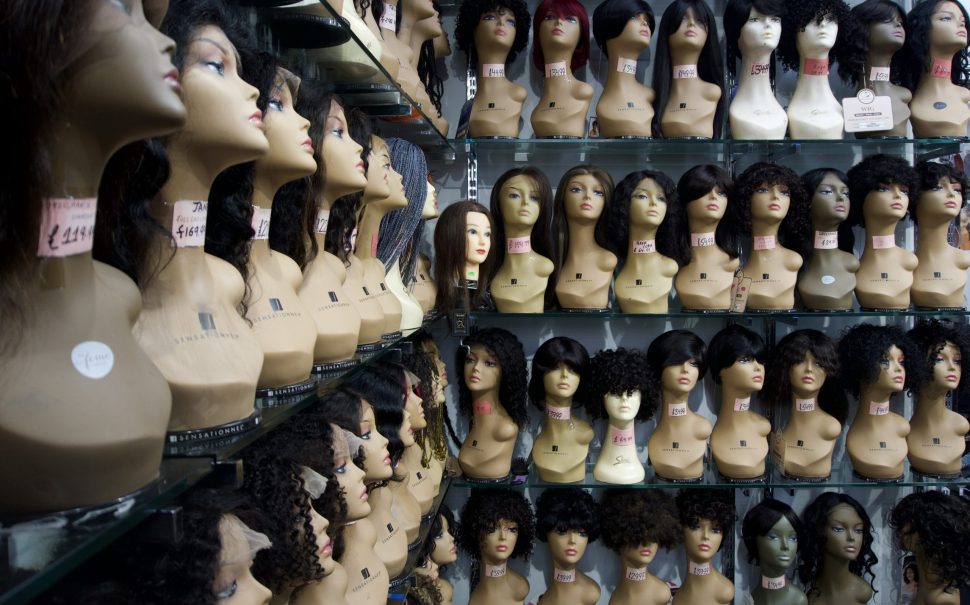
Fears that Black hair is regressing to a Eurocentric beauty standard have returned, according to content creators.
TikTok hair experts, @andreawiththecurls, real name Andrea Reed, and @jlavish, real name Jordan Kuponiyi, have raised the issue in recent months, along with Vogue magazine.
Kuponiyi said on TikTok earlier this year: “For Black women, the effects of these socially engineered perceptions of what Black hair is, is going to be a lot worse because beauty is a social currency for women.”
Reed also said on TikTok: “Whenever I wear straight hair, I’m cosplaying as something else, somebody else who isn’t me. The beauty standard of ‘natural hair’ is not preferred and straight hair is ‘better’.”
An October article in Vogue Magazine spoke on ‘The return of the relaxer’, a chemical straightener, and explained how socially we’ve regressed from saying “goodbye to the ’creamy crack’” to hello again.
Forced Afro hairstyles had gone from unfashionable during the natural hair movement to a reappearance in trends.
The Vogue article said: “#RelaxerTok is attracting hundreds of millions of views and a new generation openly documenting their use or return to chemically straightened hair.”
University students also find themselves immersed in the dilemma as they navigate life as Black women with natural curly hair.
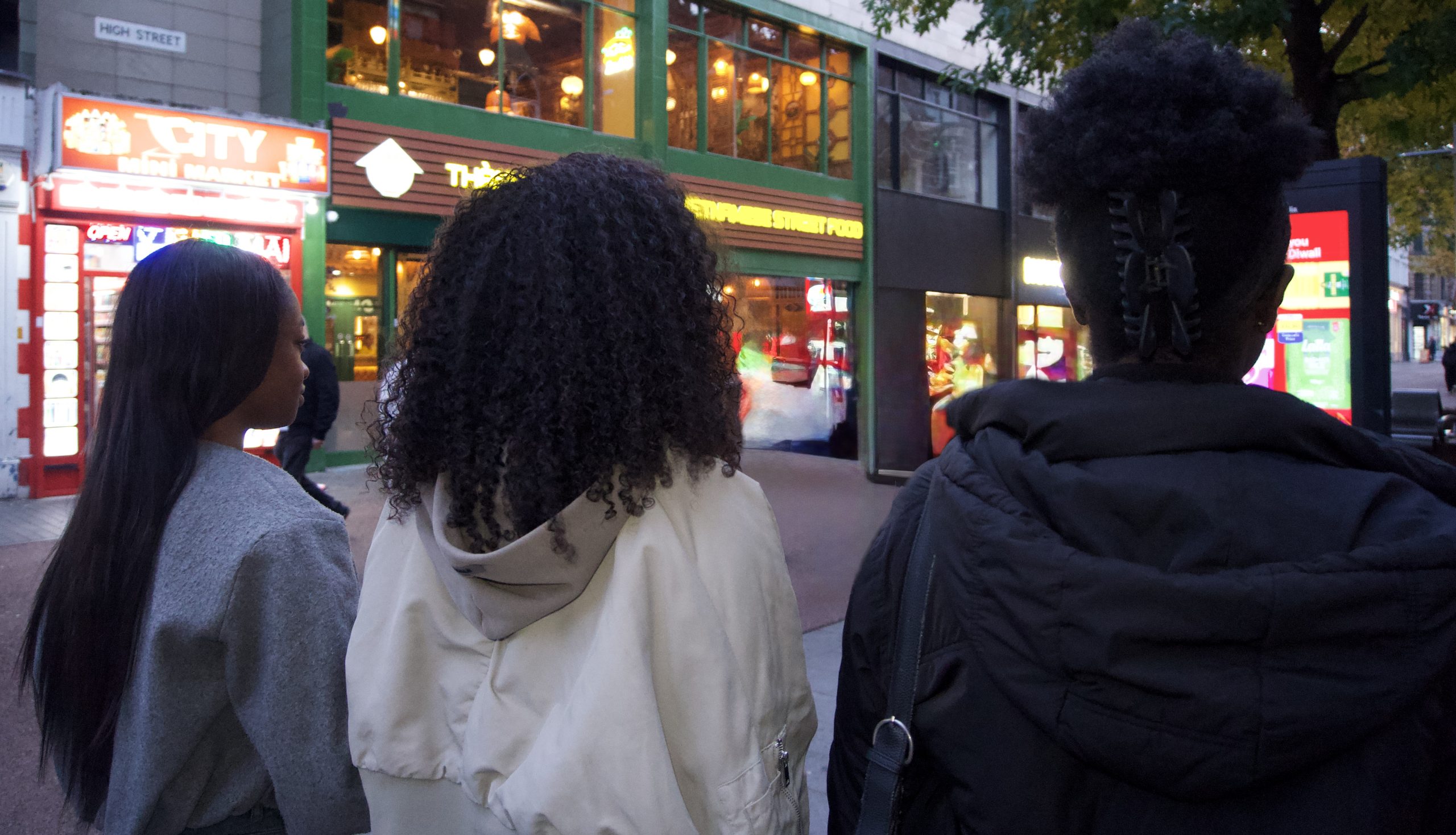
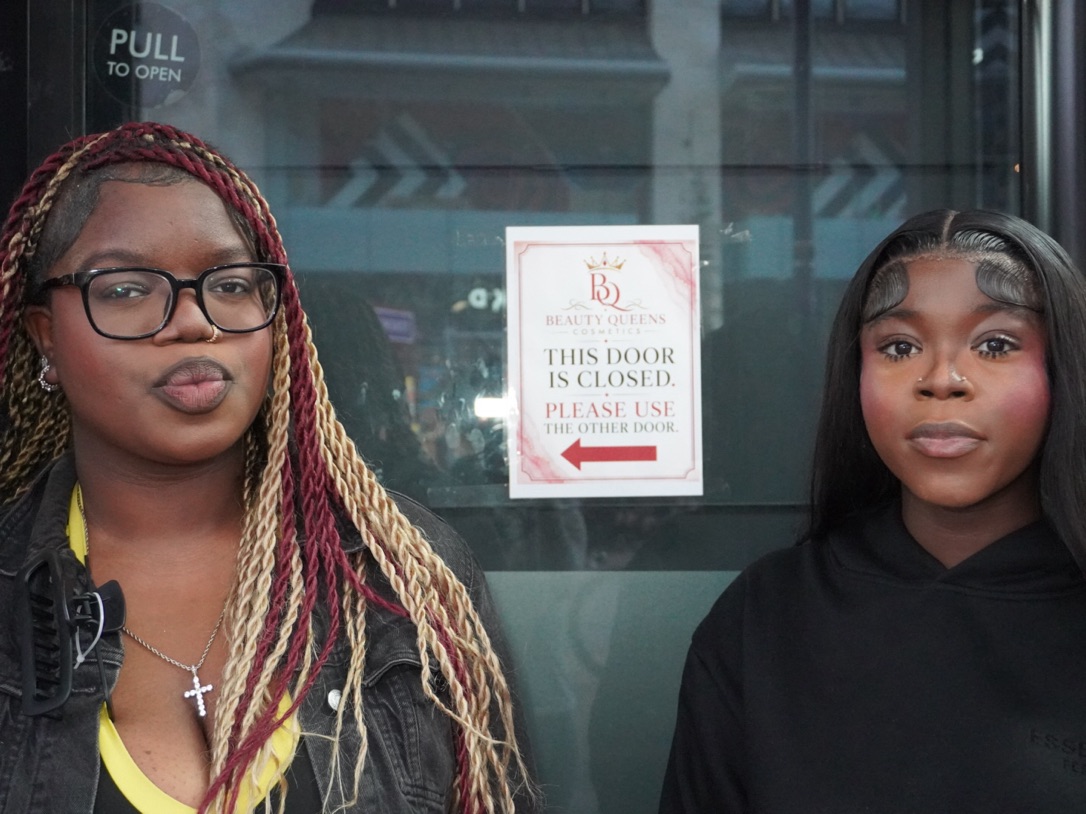
Chanel Smith, a 21-year-old UAL student, spoke on her childhood in Hoxton during the mid 2010s, and day-to-day life as a Black woman.
“Back in the 2010s, the natural hair movement was praised. Having ‘long-natural-curly hair’, never hair that looked like mine,” she said.
“I would get called ‘Bush girl’, funny at first with family, but it sticks with you.
“I tried to manufacture my curls into something that would be accepted.
“I felt good when it was straight, and when it wasn’t, I absolutely hated it.”
Hair is a societal statement where attractiveness is compared. For Black women, it is especially valued as a symbol of beauty.
Smith added: “I think ‘bad hair’ is Afro-Caribbean hair, detached from any European influence.
“It’s looking so far from being Black and doesn’t look like every other girl that you see in a magazine.”
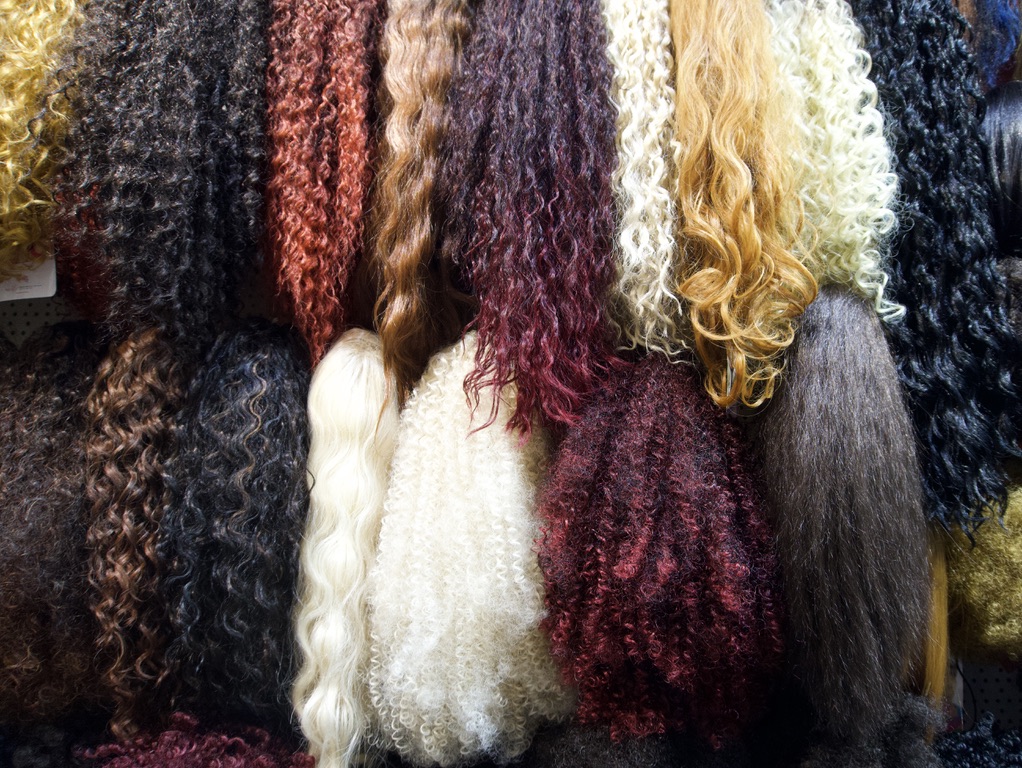
Concerns on discrimination further exacerbates the issue of Black hair acceptability. A 2026 report commissioned by World Afro Day found 76% of Black women said they experienced negative bias at work having worn their hair in its natural state, while 64% reported hair discrimination led to career limitations.
Despite the health risks from Sodium Hydroxide in relaxers, which could lead to chemical burns, systemic pressures like beauty standards and career limitations are two of the many reasons relaxers have made a comeback.
Smith works a part-time job and recalls an encounter with the owner of the clothing shop, who commented on her light clipping extensions.
Smith said the owner said she liked her hair that way, as it “fits more of our brand image.”
Smith said: “It felt like a micro-aggression, like I ‘now’ fit in with them.”
Eurocentric beauty was the idealised standard despite Afro-Caribbean people having completely different features.
But over time, Smith has learnt to love her curls and said: “Styling it now, I’m more confident.
“I’m currently taking a break from wearing any straight hairstyles.
“In a world where Black beauty is so masculinised or masculine connotations are attempted surrounding Black women, hair is one of the things that highlight your femininity.
“To any Black girl experimenting with their hair, no one should have the right to tell you what to do with it, but everyone should take a break and be cautious when they’re replicating Eurocentric looks.”
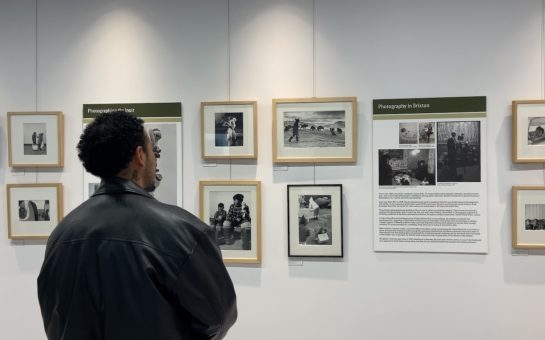
Feature image courtesy of Aminata Bah, with thanks

Join the discussion