There is a familiar ritual that plays out across South West London whenever a major football night rolls around. Somebody in the group chat calls it early, a table gets booked at a favourite spot in Clapham or Putney, and by kick-off the pub is a wall of shoulders, scarves and half-finished pints.
From the beer gardens of Wandsworth to the corner boozers near Wimbledon, the big screen has long been the beating heart of matchday leisure. And as the way people follow the game keeps shifting, so too does the mix of entertainment that fills the hours around it.
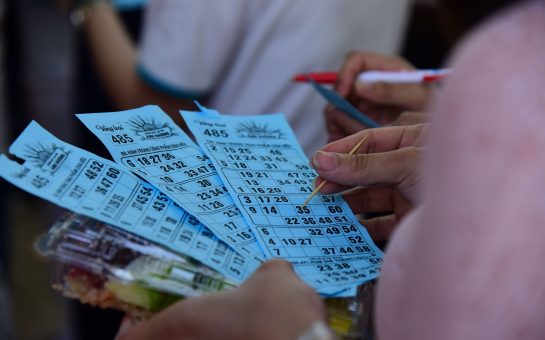
That evolution is part of a wider trend, with more supporters weaving digital leisure into their matchday routine, from second-screen stats to the rise of online casinos UK enjoyed at home before or after the whistle.
Sites reviewing the best real-money options for 2026 walk readers through household names such as 888casino, Paddy Power and Sky Bet, explaining how welcome bonuses and free spins actually work, which banking methods suit different budgets, and what to expect from game libraries ranging from slots to live tables.
For anyone curious about how these sites compare on value and reliability, those independent reviews offer a practical starting point, breaking down the differences so newcomers can weigh up trusted options rather than guessing.
Why the local pub still wins on big nights
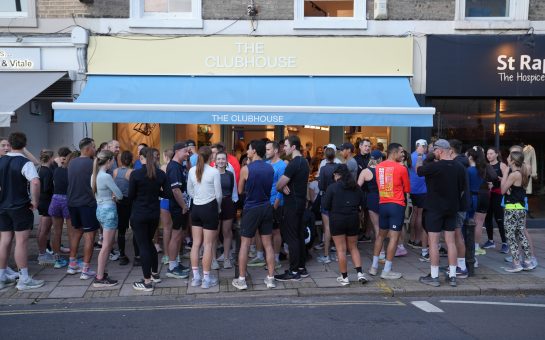
Ask anyone in Balham or Earlsfield why they still troop down to the pub rather than watching at home, and the answer rarely comes down to the picture quality. It is the atmosphere. There is something about a shared groan when a shot skims the bar, or the sudden roar that spills out onto the pavement when the ball hits the net, that a living room simply cannot replicate.
South West London is spoilt for choice here. The area is dotted with sports pubs that have built their reputation on tournament nights, laying on early doors, food deals and enough screens to catch every angle.
During a summer of international football, these venues become community hubs where strangers end up celebrating together as if they had known each other for years. It is pub culture at its most vivid, and it is precisely what keeps regulars coming back long after the final whistle.
When the whistle blows late
Not every big match kicks off at a civilised hour, and that has become a talking point in recent years. Tournaments staged across different time zones mean supporters often find themselves squinting at a screen well past their usual bedtime, nursing a slow pint as the clock ticks towards midnight.
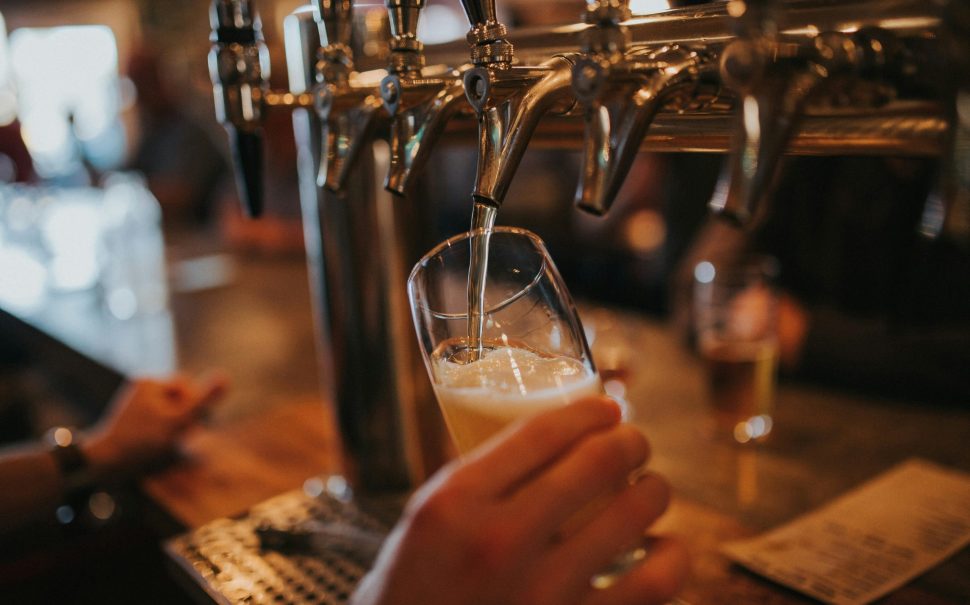
That timing has real consequences for the trade. There has been genuine debate about whether pubs should be allowed to open after midnight for late matches, with landlords keen to keep the taps running while the drama unfolds on the pitch.
For a struggling local, an extra hour of service during a knockout tie can make a meaningful difference to the week’s takings. It also changes the rhythm of the night itself, giving fans a proper reason to linger rather than dashing for the last train home.
The digital layer around the game
The modern matchday is no longer confined to ninety minutes and a screen. Supporters now arrive armed with phones, flicking between live commentary, fantasy line-ups and endless group-chat banter. This second-screen habit has quietly reshaped how people spend the downtime around a fixture — the build-up, the half-time lull, the long wait before a late kick-off.
It is in these gaps that other forms of digital entertainment have found a foothold. Some fans dip into puzzle apps or highlight reels, while others explore the casual gaming options that have become part of the broader leisure landscape.
The appeal is simple: it fills the quiet moments and adds a little extra sparkle to an already lively evening. Much like choosing which pub to head to or which round to buy, it comes down to personal taste and a sense of fun rather than anything more serious.
A trade fighting to stay full
None of this happens in a vacuum. The British pub has faced a genuinely tough decade, with rising costs and changing habits forcing plenty of beloved locals to call last orders for good. Big football nights are one of the few dependable ways for venues to pack out their floors and remind the neighbourhood why the local matters.
That is why policy conversations feel so relevant to the people pulling pints. Discussions about whether Starmer’s late-night World Cup openings could throw a lifeline to hard-pressed pubs have been followed closely across South West London, where independent venues form the backbone of high-street life. A packed room on a tournament evening is not just a good night out; for many landlords it is a genuine boost to survival.
Finding the balance on matchday
What ties all of this together is choice. The modern supporter can enjoy a big match in countless ways — roaring along with a hundred strangers in a Tooting pub, hosting friends at home, or unwinding with a bit of digital entertainment in the quieter hours. The trick, as ever, is keeping it light and social, treating every option as part of the fun rather than the main event.
The football will always be the reason everyone gathers. But the way South West London celebrates it keeps evolving, blending old-fashioned pub warmth with the flexible, screen-first habits of today. And on those unforgettable nights when the whole city seems to be holding its breath, that mix feels just about perfect.
Featured image credit: Amie Johnson via Unsplash