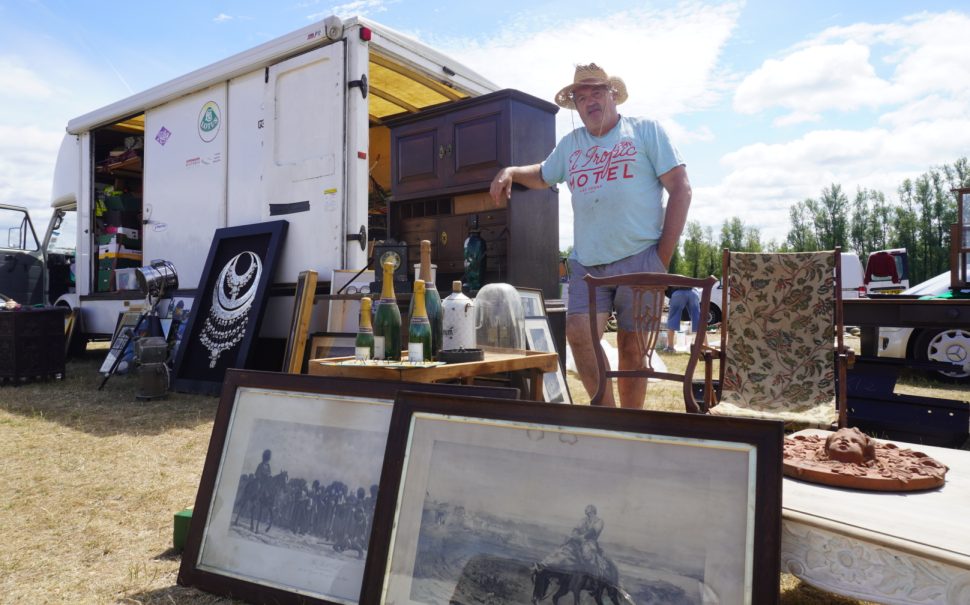
At 6am on Sunday, while much of the country is still asleep, rows of cars selling second-hand goods are changing hands for a few pounds.
The car boot offers something for everyone – a chance to find a bargain, for some a way to make a second income and for others it is one of the few opportunities they have each week to leave the house.
Long associated with British working-class culture and the informal second-hand economy, car boot sales have adapted over time to offer everything from high-value antiques and collectables to affordable second-hand clothing, fresh produce and imported electronics.
But in a cost-of-living crisis, the future of the traditional car boot sale looks uncertain.

Having sold and collected from car boots for over 30 years, Andrew has witnessed, first hand the decline of the carboot sale.
“There used to be one every week in every town; now people have to travel further and they are less frequent,” he said.
The contradiction is clear: as people have less money to spend, the need for affordable goods has never been greater.
But for the sellers who rely on car boots to make money, the same financial pressures are making it harder to earn a living.
“People have less money now, thefts are common and people want things for cheaper than they are,” Andrew said.
“Its hard because we live in a cost-of-living crisis, so you understand people’s struggle, but you’re trying to make an income to not struggle too.”
Andrew believes car boot sales play a role in keeping money circulating within local communities, allowing people to buy and sell goods directly.
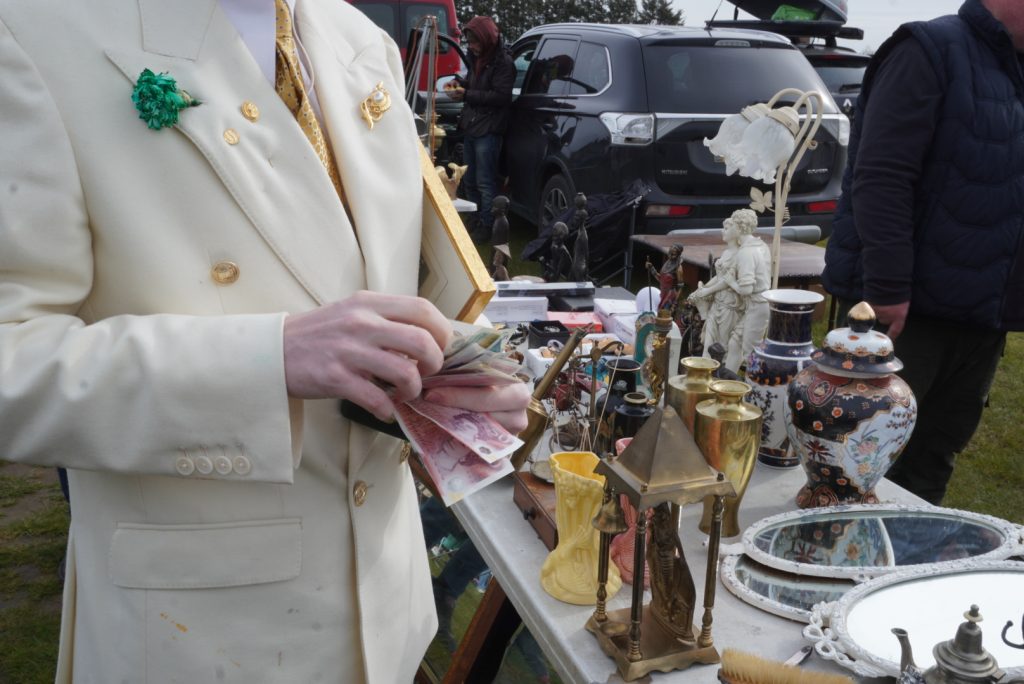
“We have historically always had marketplaces where people buy and sell and come together, and people need that especially now to socially detach from the concrete world,” he said.
“I think it is important to have this micro economy of people trading and where cash flow still exists.”
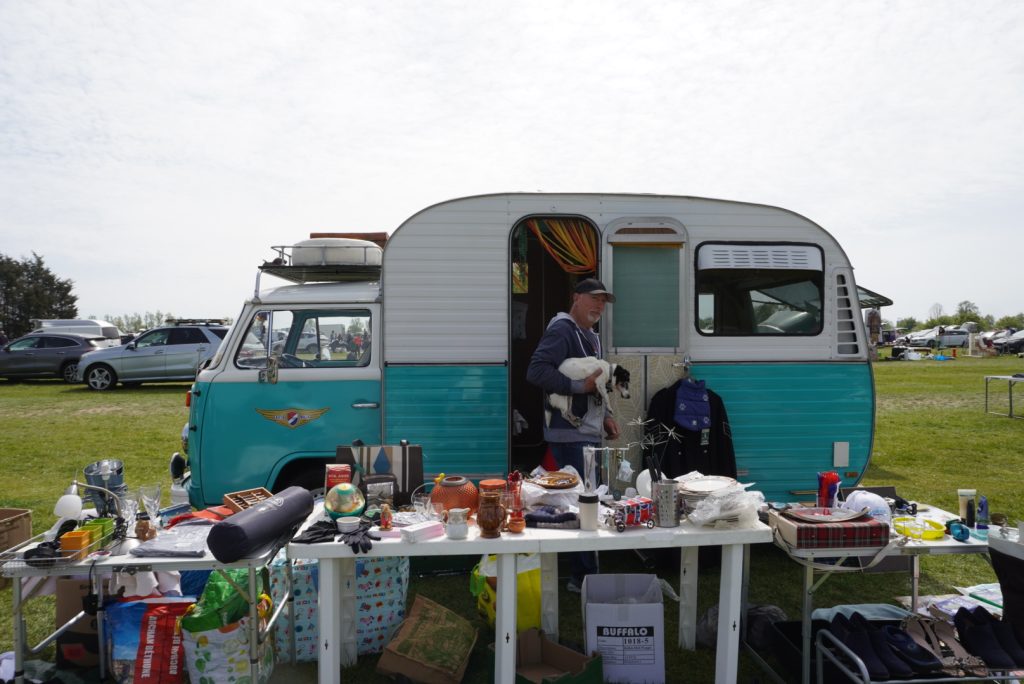
Another weekly seller who noticed this change is Kevin who keeps his prices low to reflect the reality of the people coming to the car boot.
“We keep prices down and have bundles on the floor. Everything is £1 because you understand everyone is struggling and you’ve got to help each other out in times like this,” he said.
For buyers, a car boot can offer something increasingly difficult to find elsewhere, affordable goods without the additional costs of delivery or VAT.
But the car boot sale is more than a place where unwanted belongings change hands.
Walking around the car boot, it is clear that its role extends beyond buying and selling.
People from different social and cultural backgrounds gather each week to browse, trade and talk.
One man that relies on this weekly is Robin.
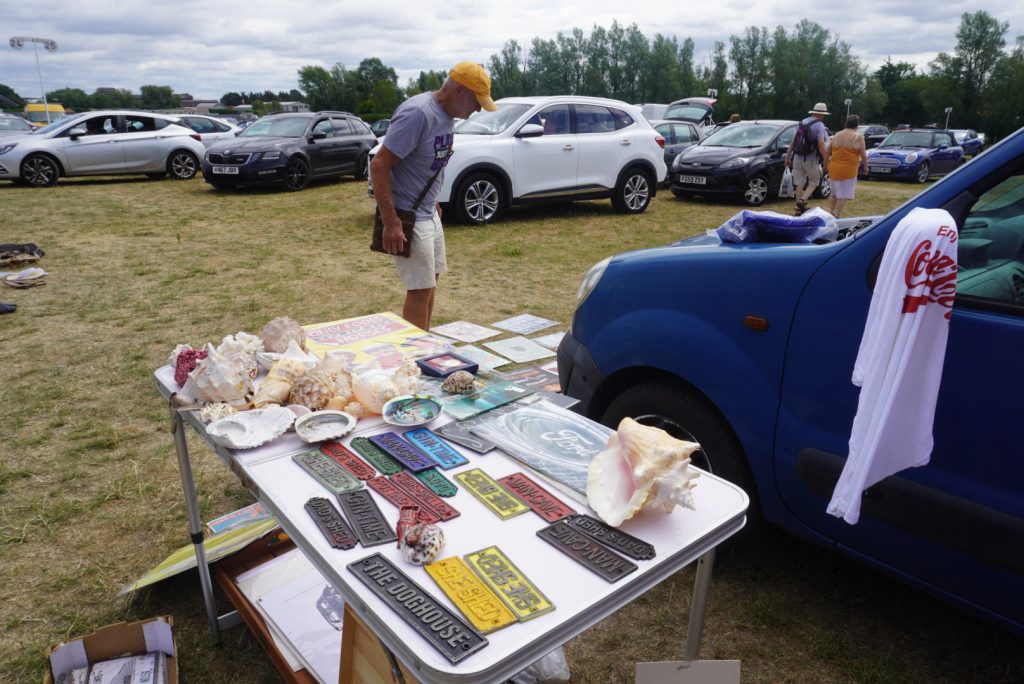
Having suffered a stroke recently that left his vision significantly impaired, Robin’s day-to-day looks different to how it was, unable to drive anymore and see far distances.
Every week, his friend Hazel drives him to the car boot, where he sells his goods.
He said: “It gives him something to look forward and chat with people.”
“I don’t get out of the house much so coming here is weekly event for me.”
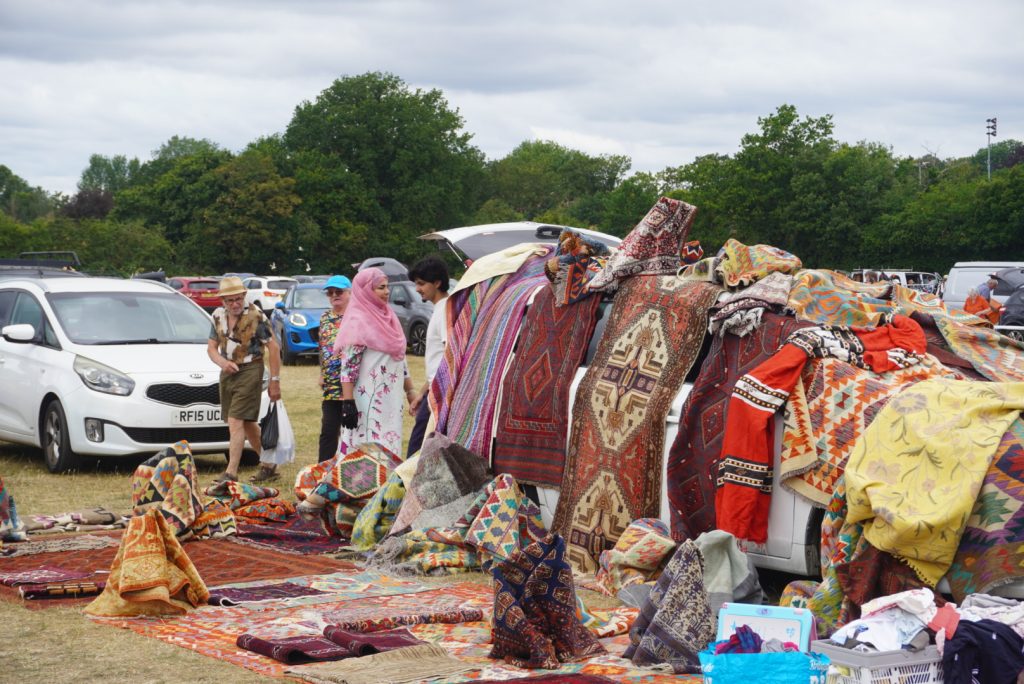
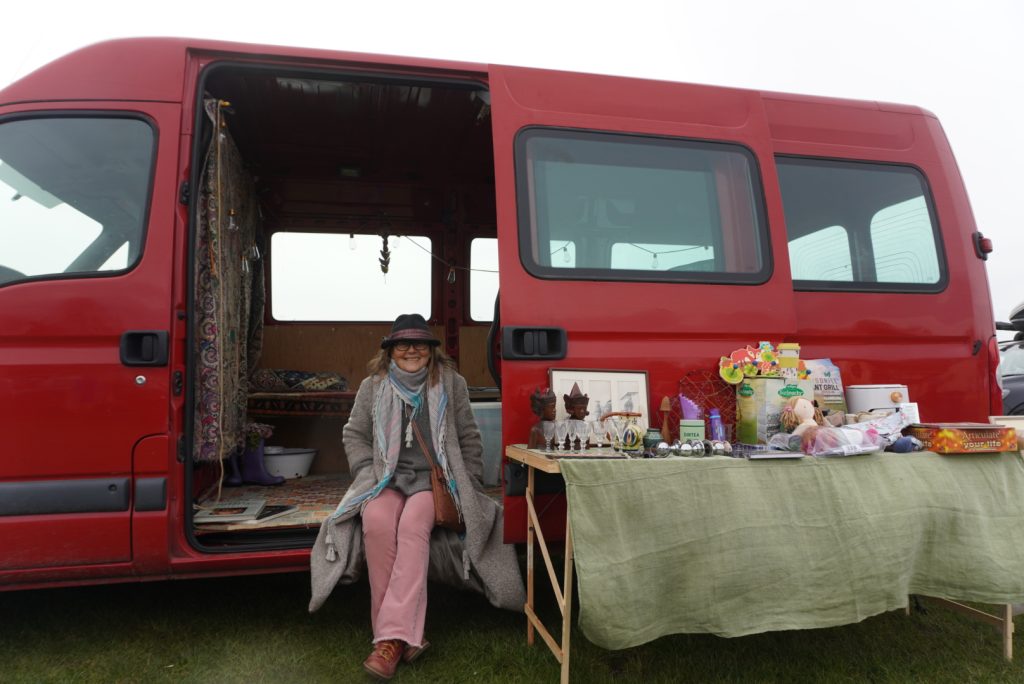
Walking around the car boot, there was social cohesion that can feel lost in day to day life.
As the cost-of-living crisis continues to change how people buy and sell, the future of the car boot sale may remain uncertain, but its importance extends beyond the value of the goods being exchanged.
Featured image credit: Molly Finlay