In 2025, Wes Streeting introduced a new qualification that would enable the care industry to transform social care from analogue to digital as part of the Plan for Change.
A key area of focus was enabling care leaders to use artificial intelligence to automate routine tasks like note taking or predicting when a patient might need additional care, to ease some of the pressure on workers and hospitals.
Streeting said: “We will harness the full potential of cutting-edge technology to transform social care, helping people to live independently in their own homes and improving the quality of care.”
But with care staff shortages currently estimated to be around 100,000 in the sector on an average day, long-term technological investment might be futile if there isn’t a workforce to deploy it.
But what if we could automate the workers too? Robotics might have a solution to a staff shortage problem that is currently crippling the NHS.
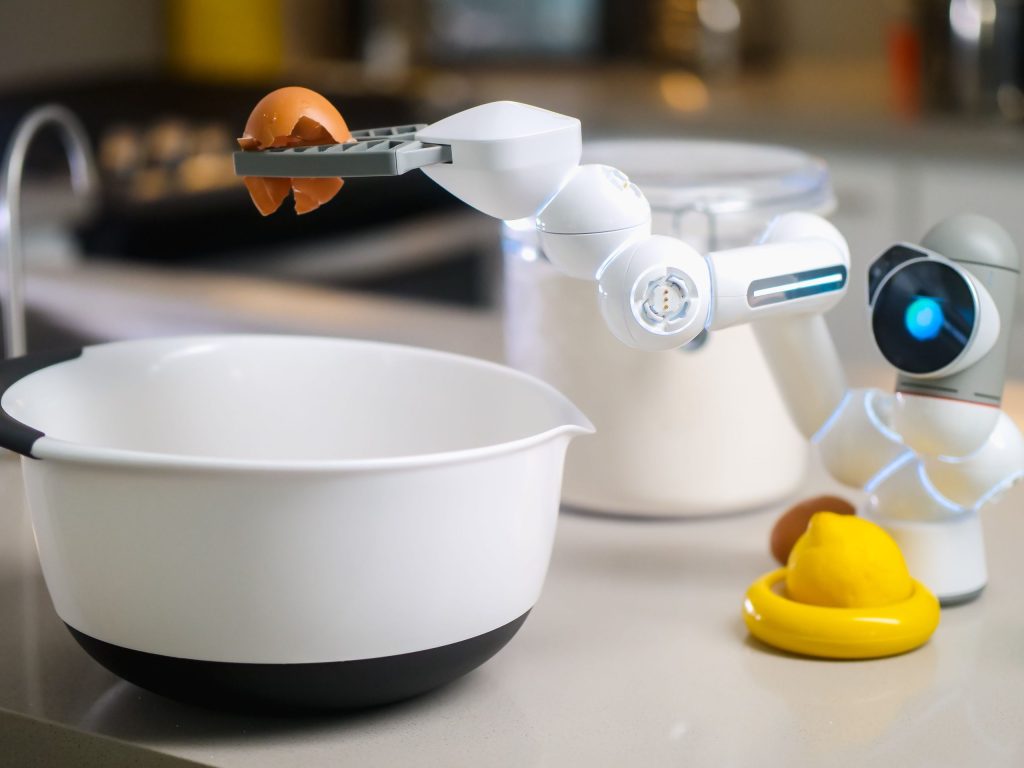
The choice of robotics that can be used in social care is plentiful and many are already being used. Obi, created by Michigan-based start-up DESῙN, is a robotic arm that allows people with physical disabilities to feed themselves and restore in the process a sense of dignity that might otherwise risk being lost.
But by far the most interesting are the anthropomorphic robots, powered by artificial intelligence, that are setting out to fill a gap in the care market.
Whether it is ElliQ, created by Israeli technology company Intuition Robotics, the French Cutii created by CareClever, or the homegrown GenieConnect from Service Robotics based in Bristol, all these robots have a friendly and unwavering smile, ready to be of service.
And companies are increasingly trying to develop robotics that can emotionally connect with their users.
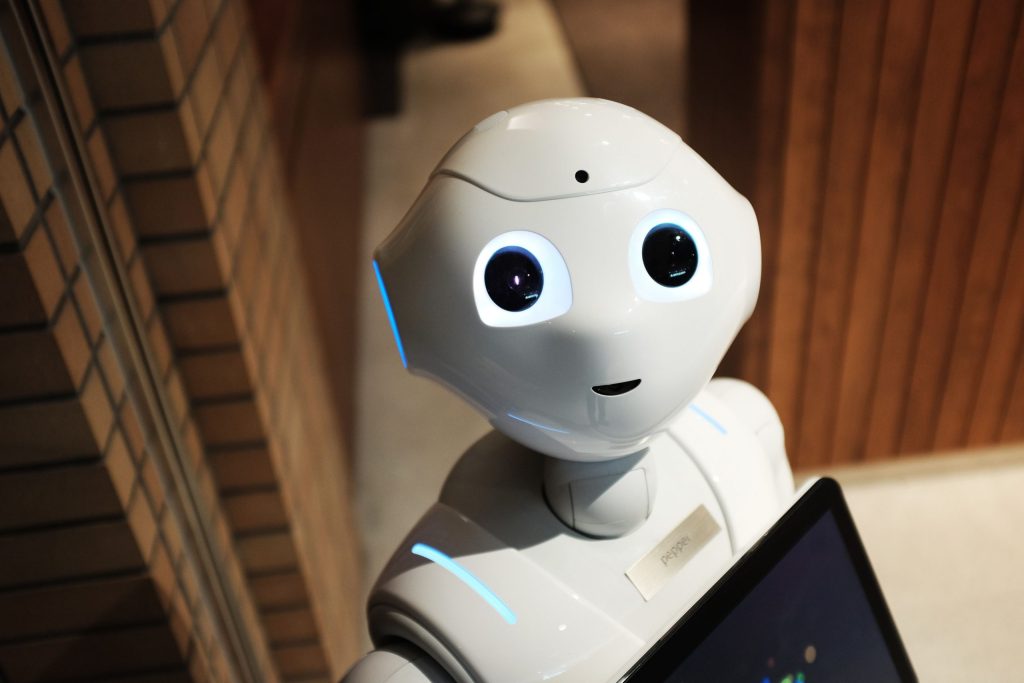
The robot Pepper, from SoftBank robotics in Japan, launched in the UK in 2016, is the first humanoid robot capable of recognising the principle human emotions and adapting its behaviour to the mood of the person interacting with it.
Service Robotics, a previous winner of “Best Use of Robotics in Healthcare” at the Health Tech Digital Awards, envisions GenieConnect as the ideal solution for the shortfall in quality home care for older and vulnerable adults.
Like the Elliq and Cutii, GenieConnect provides a friendly interface with text, voice and video capabilities to promote social connectivity, alongside medical-related assistance. The robot allows users to video call with friends and family, it asks if you’ve eaten and asks users how they’re feeling with various smiley faces. And, it’s always on.
It also records users throughout the day, which they say ensures proactive intervention and personalised care adjustments throughout the day, on their website.
This all gets uploaded to a Care Portal, which provides intelligent insights, auditing and analytic tools which Service Robotics claims enables care providers and local authorities to make informed decisions.
Chris Williams, the managing director of Tiggo, a Putney-based home care provider said that Tiggo wants to find new ways of bringing joy to their customers. And, they are now formally considering offering kinds of robotics that help with wellbeing, not just day-to-day assistance.
Tiggo has been recognised as one of London’s Top 20 Home Care Providers by home care four years in a row, based entirely on verified reviews from clients and their families.
He said: “I have a little dog and whenever I bring it to the homes of the dementia customers, they absolutely light up and I can see the positive effects that interaction has on their wellbeing.”
There are obvious setbacks: privacy issues, increased detachment with real life for the users and high costs. Many have abhorred the offloading of social care to robots which they believe should be taken on by loving family members but the reality is that quality social care is weakening, and as a result those who need social care are suffering.
Although they are a relatively new development, many see robotics as a key part of how the sector will adapt to increasing needs in the future, and they increasingly provide more than just physical assistance.
Featured image credit: Pexels