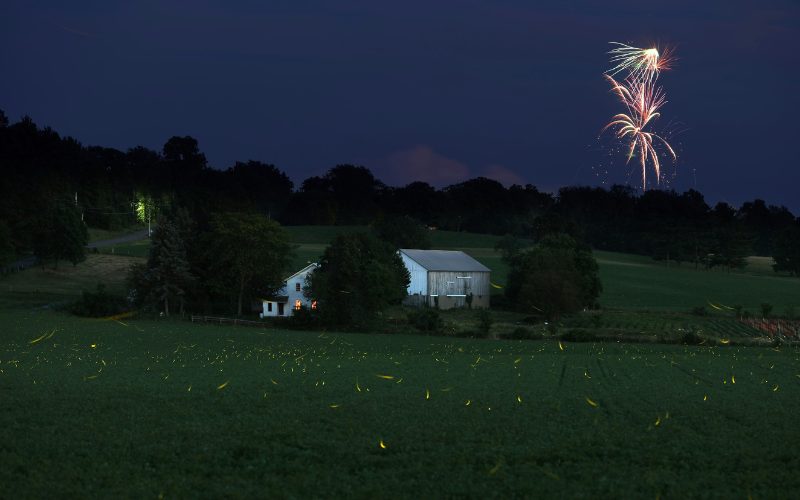
Thousands of people across the UK saw in the New Year with a fantastic display of fireworks last week.
For most, they brought joyous celebration and a sense of excitement. The flash of lights and sparks of colour are mesmerising for most. But not for all.
Those who own animals will be all too familiar with the effects that fireworks can have on furry friends. From dogs quivering under tables to horses spooking, there are a range of concerns for how these eccentric displays of light and sound impacts wildlife.
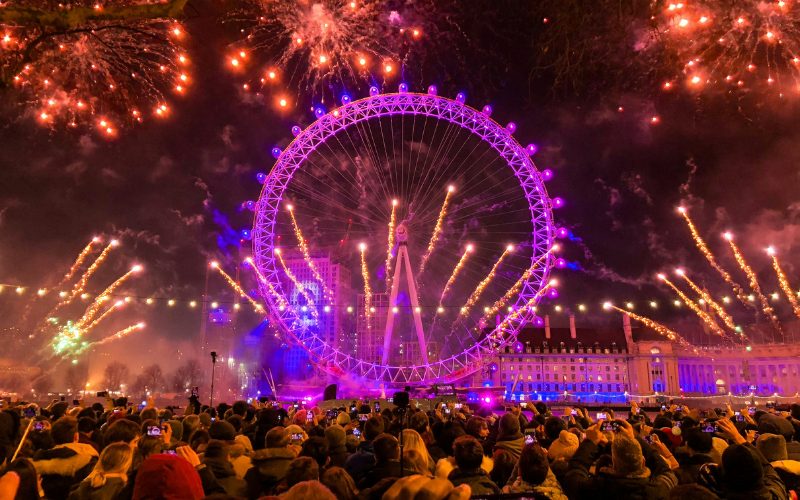
And among the chaos that bonfire night and news years bring, there is a small, hidden creature often left behind.
The humble bird.
What is a burst of thrill for some, feels like an explosion for feathered inhabitants of the sky. As they fly off in fear and panic, there can be devastating results. Often they crash into walls, windows and even each other.
Studies into the effects of fireworks on birds remain limited, with most research focusing on more domesticated pets. For most, birds won’t even cross their minds when watching firework displays.
But some dedicate their lives to helping these creatures when they most desperately need it. People like Jacob Peter.
He leads a charity aimed at exactly this: saving pigeons from a life of pain and starvation – particularly around firework season.
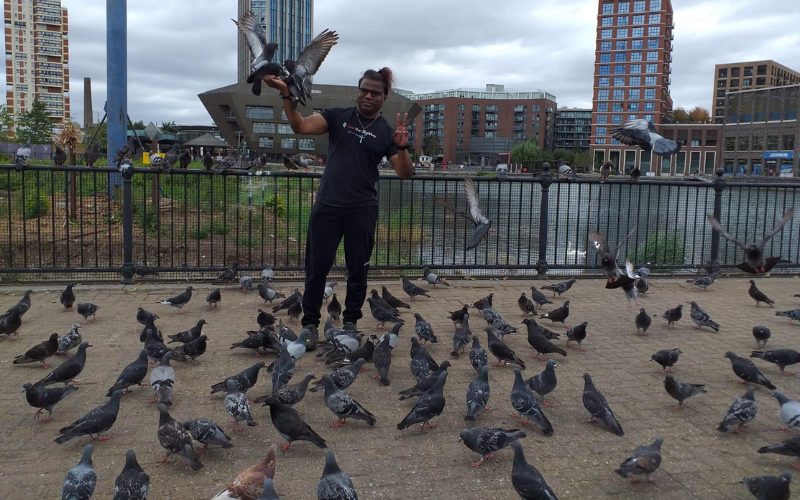
CEO of London Pigeon Rescue Jacob Peter said: “For birds, the sudden explosions feel like the sky is collapsing.
“We have rescued birds with severe head injuries, broken beaks, and blood coming from their mouths—injuries caused simply because they were terrified and didn’t know where to go. The sound disorients them so much that they lose their sense of direction and hit hard surfaces at full speed. These rescues remind us how fragile life is and how powerful our choices can be.
“Compassion and awareness could prevent so much pain.”
This is what lies at the heart of Jacob Peter’s charity. Compassion.
Whether you love them or hate them, pigeons and other urban birds are a vital part of our ecosystems. They help to clear up food waste, pollinate wild spaces, and are even prey to other animals.
And of course, their efforts delivering messages in the war.
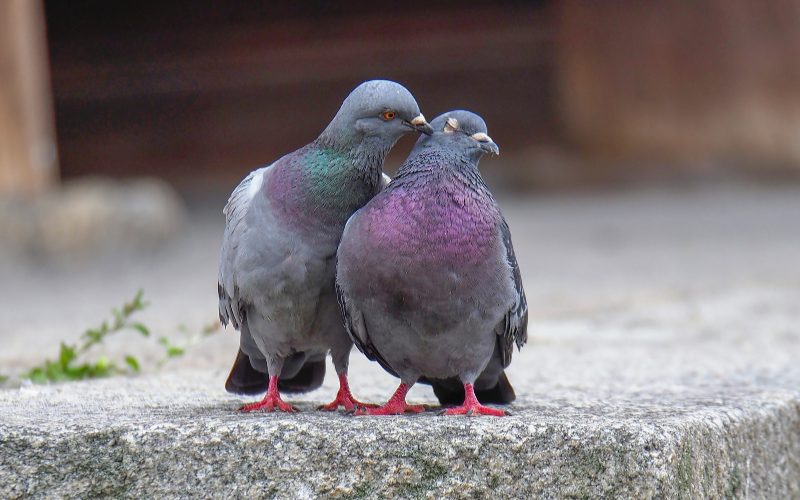
But what is the future for fireworks? Is a ban realistic or wishful thinking?
It’s not just the animals that are affected by fireworks, according to social market foundation, 91% of the British population would be open to alternative firework displays. This could include drone shows – made increasingly popular since the pandemic – laser shows, or even quiet fireworks (which do exist).
Jacob Peter added: “Our world needs a peaceful natural environment where wildlife can live without fear. Birds are a part of our ecosystem—life becomes unbalanced without them.
“Our hope for the future is a world where celebrations never cost innocent lives, and where compassion guides the choices we make.”
There are a number of charities across the UK dedicated to rescuing, rehabilitating and releasing urban birds, with efforts expected to increase around this time of year.
Whether you notice urban birds in and around the city or not, their existence cannot be denied. And perhaps in preparations for New Years Eve next time around you may even take a moment to consider alternative displays of celebration.
Featured Image Credit: Randy Fath Unsplash