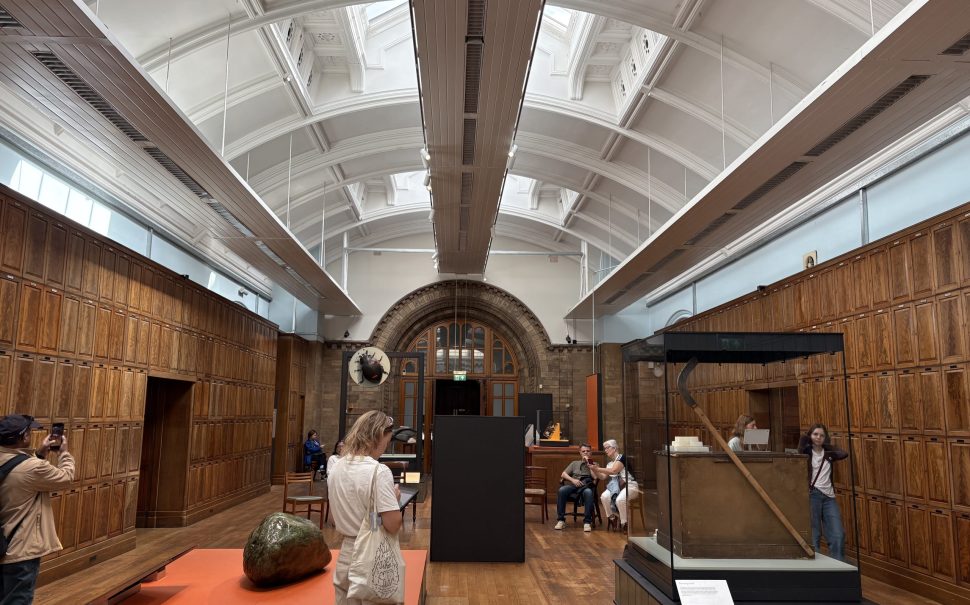
A hidden part of London’s Natural History Museum has been opened to the public for the first time in more than 80 years.
The gallery closed to the public in 1943 and was used as replacement storage after the museum’s plant collection was damaged by a bomb during the war.
Susan Holmes, exhibition manager at the Natural History Museum, said the area was then used behind the scenes and had not been open to visitors since.
“It’s a space that’s had an interesting history and, obviously, it’s a really interesting historic space to be in.” she said.
The historic space is now home to Nature and Us, a temporary exhibition exploring how people’s relationship with the natural world has changed.
Visitors can still see features of the gallery’s past, including alcoves where researchers used to work. Some objects discovered while clearing out the space have also been displayed to show how the room was used by museum staff.
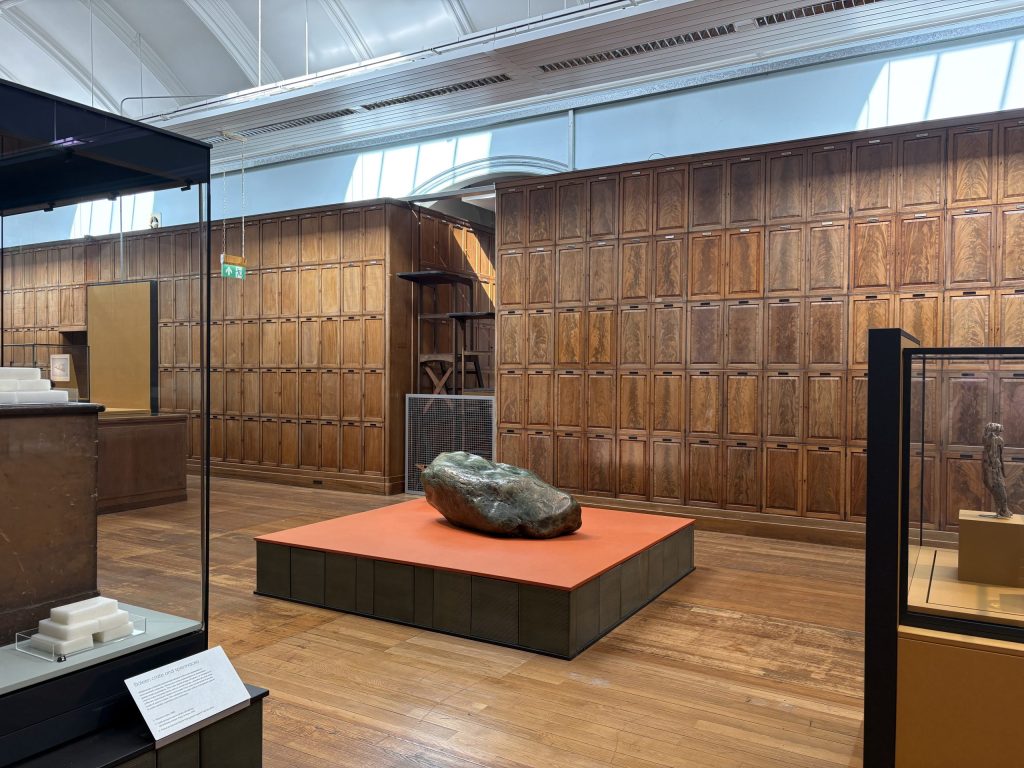
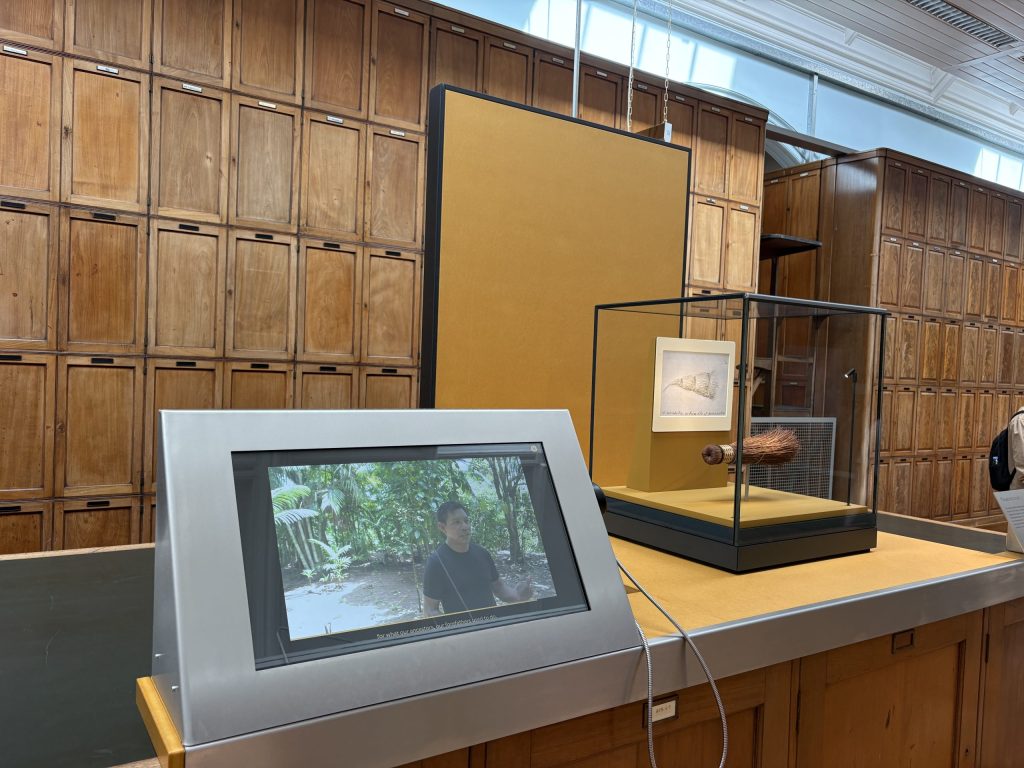
The exhibition brings together around 50 objects from across the museum’s collections and is divided into four themes: displaying, using, imagining and naming nature.
However, only around half of the gallery is open for the current exhibition.
Holmes said the space has not yet had the infrastructure work needed to allow more sensitive museum objects to be displayed.
Further work, including new air conditioning, is planned before the entire gallery opens in 2029.
The current exhibition is helping the museum plan for the future gallery, with audience research being carried out to understand how visitors respond to the exhibit.
People can also use a touchscreen to answer questions about their relationship with nature, with their responses helping to shape future plans.
But for Holmes, the significance of the gallery extends beyond what is currently displayed inside it.
“It’s exploring our relationship with nature, and the idea is that it offers visitors the opportunity to see an area of the museum that has been largely hidden from the public.” she said.
The museum plans to open the entire gallery in 2029 ahead of its 150th anniversary in 2031.
The current exhibition will remain open for 18 months and is free to visit.
Featured Image: Hazel Christian