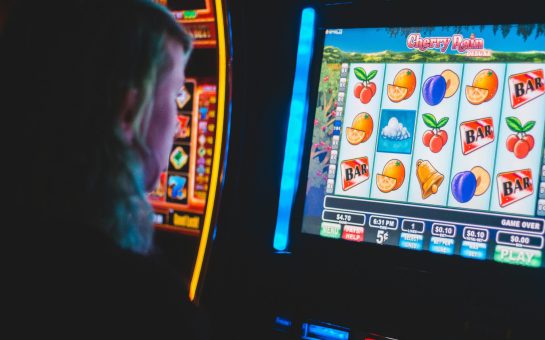
The evolution of London’s slot machine history from the Liberty Bell of 1895 to today’s online cutting-edge innovations is an intriguing journey. Gaming has undergone various cultural and technological shifts.
Discussing a concise history of the slot machine is significant, given its strong ties to pub fruit machine culture. It features arcade traditions to become a leading game in a highly regulated online gambling market.
Slot machines have been a regular feature in London’s pubs and arcades, and the modern era now offers players titles through iGaming sites, delivering accessibility and convenience.
It has increased the variety available to UK players, ranging from classics to video jackpot titles. More and more Britons are reading professional UK slot game reviews so as not to make mistakes when choosing online slot games.
The Birth of Slot Machines History: 1895–1930s Mechanical Foundations
The history of slots starts with Liberty Bell in 1895, invented by Charles Fey, a car mechanic. The first slot machine invented featured a simple setup of 3 reels, not 5. Each reel included fruity symbols like horseshoes, hearts, diamonds, spades, and Liberty Bell.
These icons defined this game’s aesthetics, playing leading roles in anti-gambling laws that prevented cash pay-outs. An early setup offered prizes like chewing gum, requiring adherence to regulations to be operational in public spaces.
Electromechanical Innovation & Early British Fruit Slot Machines: 1940s – 1970s
The post-World War II period was significant for a transition in the invention of slot machines, including the replacement of purely mechanical systems with electromechanical technology, as seen with Bally’s Money Honey around 1960. It featured a fully electronic payout system, moving beyond mechanical levers with gears.
These functions improved visual appeal, seeking to depart from the mechanical experiences of previous years. Its regulatory landscape changed as game history slot machines evolved with laws introduced in the late 1960s and early 1970s.
The Digital Revolution, RNG, and the Rise of Online Slots: 1980s – 2000s
The 1980s ushered in a new era of gaming machines, with innovations such as microchips and video slot technology. New software providers obtained government licenses to develop new varieties and tools for fair gaming.
The evolution of NetEnt titles has permanently moved from mechanical and electromechanical machines to digital features. Visual appeal grew, with enhanced graphics that offered complex gameplay opportunities. Random Number Generator (RNG) technologies ensured that all game outcomes were random and fair.
Landmark Differences Between Mechanical, Digital, and Online Slots
1970s and 1980s machines featured electronic components, such as digital meters alongside video screens, to replace mechanical features. Introducing video titles brought greater visual diversity and a wider range of themes, with interactive designs. They included bonus rounds, nudges, and plus-holds.
The 2000s saw the rise of mobile games powered by RNG software to ensure fair gameplay. Themes are limitless, with HD graphics, branded titles, and Megaways formats, leading to the establishment of regulated markets by the UK Gambling Commission.
| Era | Mechanical Slots (1895–1960s) | Electromechanical & Digital (1970s–1990s) | Online & Mobile Slots (2000s–2025) |
| Technology | Springs, gears, levers | Microchips, electric triggers, video screens | RNG software, mobile apps, cloud-based gaming |
| Payout System | Physical coin drop | Electronic meters | Digital credit systems |
| Player Interaction | Pulling a lever | Buttons, nudges, holds | Touchscreens, mobile UI |
| Theme Variety | Limited | Moderate | Unlimited: branded, 3D, Megaways |
| Accessibility | Land-based venues only | Arcades, pubs, casinos | Anywhere in Great Britain |
| Regulation | Minimal | Early machine licensing | UKGC online regulation |
The UK Slot Machine History Boom: Fruit Machines, Arcades, and the Online Shift
The UK post-war period witnessed an era of British fruit machines, a symbol of social gatherings in arcades, pubs, and seaside venues. The history of slot machines became more sophisticated through the addition of features like trail boards and nudges, increasing player engagement and the potential for sizable winnings.
The UnionSlots team analysed the popular types of online slot games in the UK in its full review and concluded that stricter oversight, more innovative technology, and player welfare form the core of UK gambling innovation and trends. With these observations, one may characterize the future of casino gaming as more transparent, responsible, and mobile.
The Gambling Act 2005 played a significant role in regulating these titles, formalising standards for payout fairness within its boundaries, establishing the UK Gambling Commission (UKGC), while offering players additional protection. 2010 witnessed a dramatic shift toward mobile gaming.
What Modern British Players Expect From 2025 Slots Machines History
In 2025, modern players players in London, but also in the UK more widely, expect better, seamless gaming experiences, with a focus on mobile-first design and fairness. Accessibility on smartphones and tablets is essential.
Players demand high-quality, fast and responsive sessions with options for low-stakes play. New emerging trends in gaming include Virtual Reality (VR) integration, offering fully immersive, 3D casino environments.
Personalisation features, such as tailored themes, are growing in popularity, based on Barcrest history, allowing players to customise their experiences. Another significant trend is playing on multiple platforms, enabling seamless transitions between desktop and mobile.
Featured image credit: Krissia Cruz on Unsplash