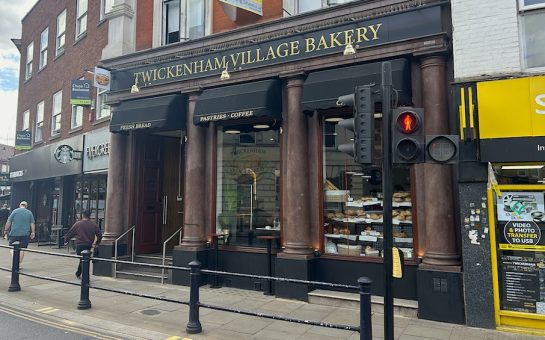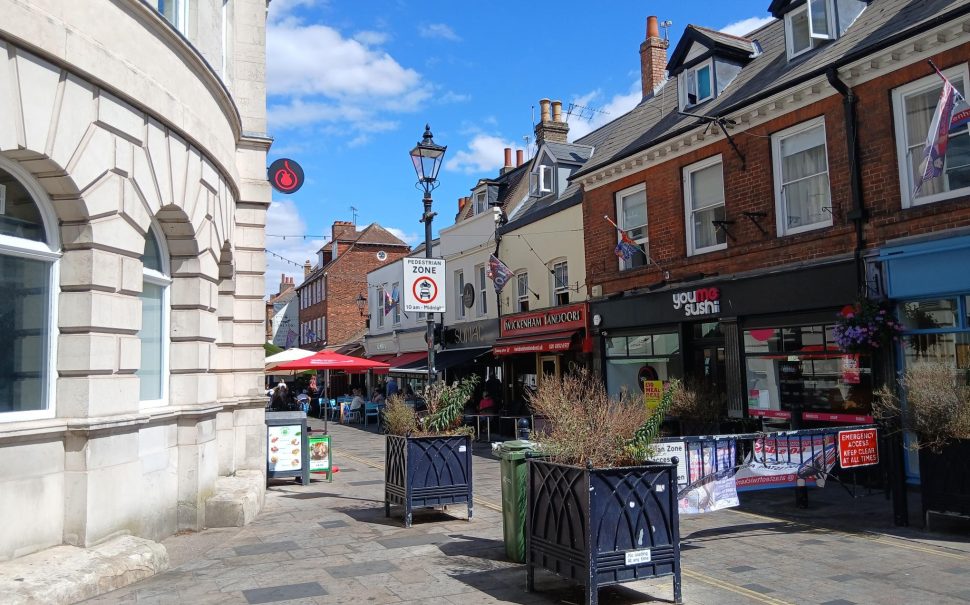
On a damp Tuesday in Twickenham, a small community gallery that usually hosts watercolour exhibitions and local craft fairs looks a little different after hours.
The paintings are still on the walls, but a cluster of folding tables has appeared beneath them, felt cloths draped over the surfaces, and a dozen or so residents lean in over neat stacks of chips.
There is laughter, the occasional groan, and a steady murmur of friendly rivalry. It is not a casino, not a members’ club, just a local space finding a fresh way to fill a quiet weeknight. Across South West London, more venues are discovering that a games night built around cards can draw a crowd that a slideshow simply cannot.
From Empty Weeknights to Full Tables
The appeal for venue managers is straightforward. Galleries, community halls and independent cafés in boroughs like Richmond and Kingston often sit half-used between exhibitions and weekend markets, and a recurring games night gives them a reason to open the doors midweek.
Curiosity about the game itself does the rest. Many first-timers arrive knowing only the basics and quickly want to understand how the wider world of the game works, from tournament formats to the growing number of UK poker sites that rank and review the best options for 2026.
Those review pages judge each room on things like fair bonus structures, licensing and player traffic, and they break down game types such as Texas Hold’em and Omaha alongside mechanics like rakeback and freerolls.
For a newcomer who has just played a first hand in a Twickenham gallery, that kind of guidance is exactly what turns a one-off curiosity into an ongoing interest, and it helps beginners and more confident players alike work out which spaces suit their level.
Why Cards Suit a Community Space
Part of the charm is that the game asks very little in the way of equipment. A deck, some chips and a flat surface will do, which makes it a natural fit for a venue that has to clear the floor for a jazz evening or a supper club the following night. It is also unusually sociable.
Unlike a quiz, where teams huddle and whisper, a card table encourages banter across the felt, and strangers who arrived separately tend to leave on first-name terms.
Historical collections such as The Poker Club trace how the game has long functioned as a social ritual, a structured way for people to gather, test their nerve and enjoy one another’s company across generations.
That social pull is well documented, and South West London venues have taken it to heart, folding their games nights into the food-and-drink offering that residents already know them for.
Part of the Local Entertainment Mix
It helps that these evenings slot neatly into an entertainment scene that is already busy. On any given week, residents can choose between a comedy set above a pub, a live band in a converted warehouse, or a tasting menu at one of the area’s much-reviewed restaurants.
A relaxed card night simply widens the menu. Organisers often pair the tables with a themed cocktail, a local ale on tap, or a rotating street-food stall, so the game becomes the anchor of a broader evening out rather than the whole event.
The Guardian’s guide to how to host your own poker night treats the evening less as a game and more as an occasion, with food, music and conversation given as much weight as the cards themselves.
The format also travels well between different kinds of hosts. A gallery might run a genteel, low-key affair with the art still on show, while a sports-focused bar in Putney might build a livelier version around a big screen showing football or boxing earlier in the evening. The through-line is that the cards give people a shared focus and a reason to linger long after the final whistle.
More Than Just Luck
There is a reason the game keeps people coming back, and it is not purely the thrill of a good hand. The game demands patience, observation and a cool head, which is why it has attracted serious study over the years.
That blend of skill and sociability is exactly what venue organisers highlight when they pitch a games night to regulars. Beginners are reassured that they can pick up the rules in minutes, while those who fancy themselves as sharper players enjoy the slow reveal of tactics over an evening.
Some writers have gone further, describing the game as a genuine workout for the mind. One piece on the subject frames it as a mental and physical exercise game, pointing to the concentration, memory and self-control it demands. For a community keen on wellbeing, that framing gives a card night an unexpectedly wholesome edge.
What It Means for Local Venues
Whether the trend holds is, of course, its own gamble. But the early signs across South West London are encouraging. Independent spaces that once struggled to draw a midweek crowd now report regular faces, steadier bar takings and a growing sense of community around a simple deck of cards.
Residents, meanwhile, gain another low-cost, sociable way to spend an evening close to home, without needing to trek into the West End.
For a corner of the capital that prides itself on its local character, that is no small thing.
The gallery in Twickenham will hang new paintings soon enough, and the folding tables will disappear back into the store cupboard. But come the next quiet Tuesday, the chips will almost certainly be out again.