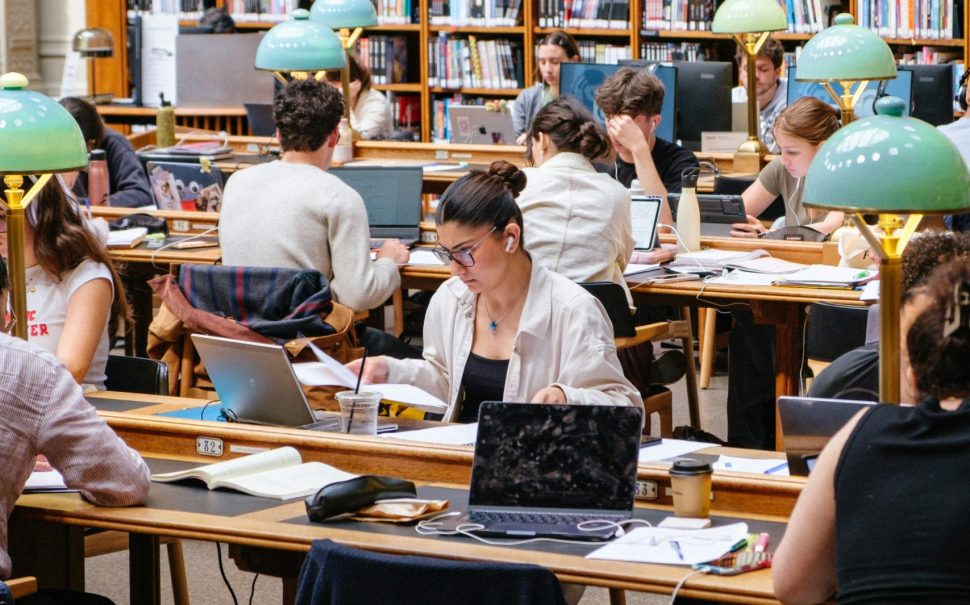
Students at London universities have raised concerns that their work could be used to train artificial intelligence systems.
The fears follow a proposal by plagiarism checker, Turnitin, to use students’ work to train AI models.
Following opposition from students and a number of universities across the UK, Turnitin issued a statement saying any changes have been postponed until September 2027 to allow time for consultation.
Lewis Wilson, vice president for higher education at the National Union of Students, said: “It is outrageous that a mandatory submission platform can change their terms and conditions to propose using our hard work to train their AI models.
“This is not what we signed up to, nor do we consent to this. We need universities to protect our rights over our work here and call on university leadership and academics to stand with students on this.”
Samson Onwe, democracy and education president at SOAS University of London, said he has been having discussions with the university about protecting students data.
He said: “There is also the question of backlogs of institutional data that Turnitin currently has, and as an individual student, Turnitin provisions say that you cannot request for your data to be deleted, but you have to go to your institutional administrator.”
Onwe said that students are not opposed to technology and the advancement of AI, but they want transparency.
A spokesperson for Turnitin said the company recognises the responsibilities that come with protecting their customers data.
They said: “We acknowledge that the introduction of AI in education raised new questions and concerns about data and privacy. We are committed to being transparent around AI product design and data use and do not train a generative AI model.”
The company highlighted the Turnitin Trust Centre, which includes information on its AI principles, how it is used in products, and its full privacy policy.
But students continue to express concerns over the ownership of their intellectual property.
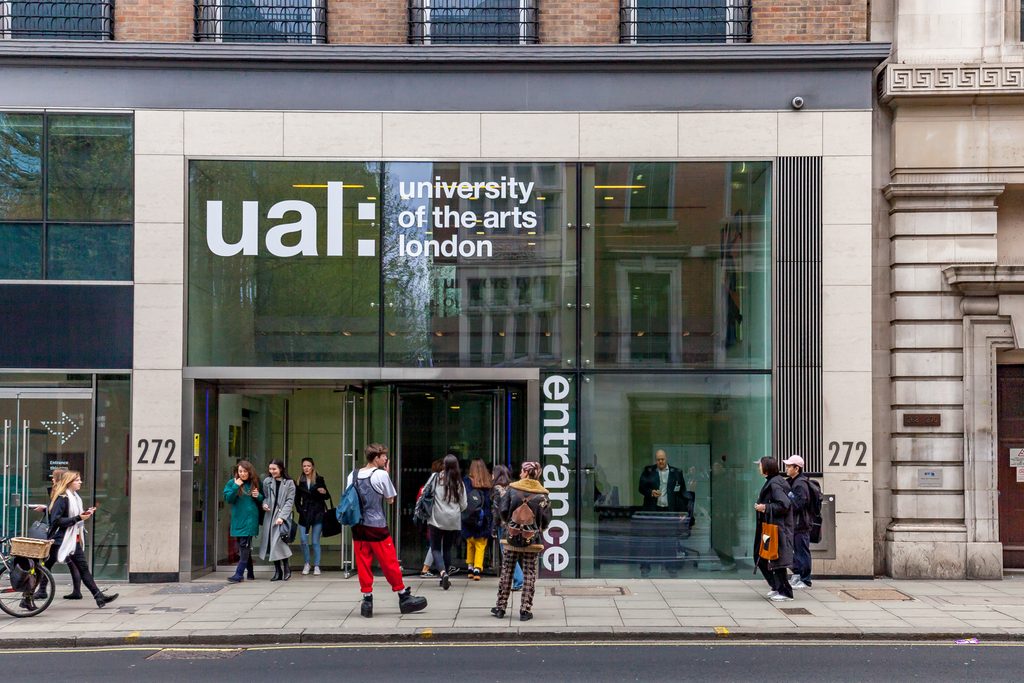
University of the Arts London (UAL) has expressed its commitment to safeguarding students work.
A spokesperson said: “UAL takes the protection of students’ creative work, intellectual property and personal data seriously.
“As a specialist creative university, we have a particular responsibility to safeguard students’ original work and apply robust data protection, cyber security, procurement and governance processes to the digital services across the university.
“We are closely monitoring developments in AI and the practices of third-party suppliers.”
Dr Orit Kopel, founder of artificial intelligence specialists EthicsAI, said policymakers need to do more to protect students’ work and personal data.
She said: “An essay isn’t only words on a page. It’s their personal data. Students write about their health, their faith, their families, sometimes about patients they’ve looked after on placement.
“That’s some of the most sensitive information there is, and the law protects it more strictly for a good reason.
“No student work should be used to train commercial AI without opt-in in universities as well as schools.
“The Department for Education already expects that of AI products in schools and colleges in England. University students deserve the same protection.”
Featured image credit: Johan Mouchet (source: Unsplash)



Join the discussion