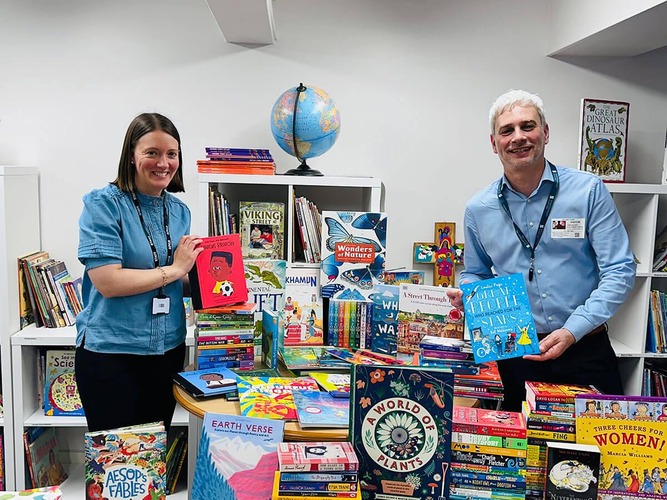
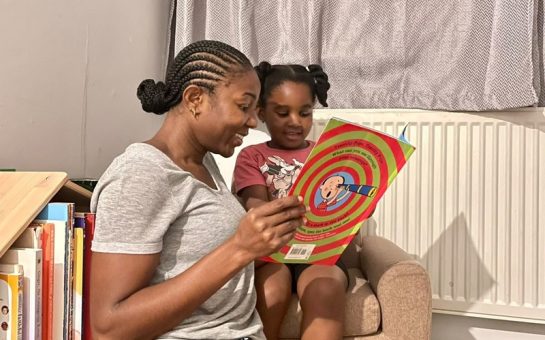
A literacy campaign is raising money to give every state primary school child in Hammersmith and Fulham a book of their own to help improve children’s reading.
Reading Bridge, which works towards improving London’s children’s literacy, is aiming to raise £28,000 to buy 8500 books – one for every child in the borough’s 35 primary schools.
Hammersmith and Fulham Council has pledged £14,000 towards the campaign.
The initiative follows research into children’s reading habits and differences between children from different economic backgrounds. More than one in 10 children aged five to 18 in the UK do not have a book of their own. Among children receiving free school meals, this figure rises to one in six.
This is one factor contributing to declining levels of reading among children on a national scale, which reached a 20 year low in 2025 according to the National Literacy Trust.
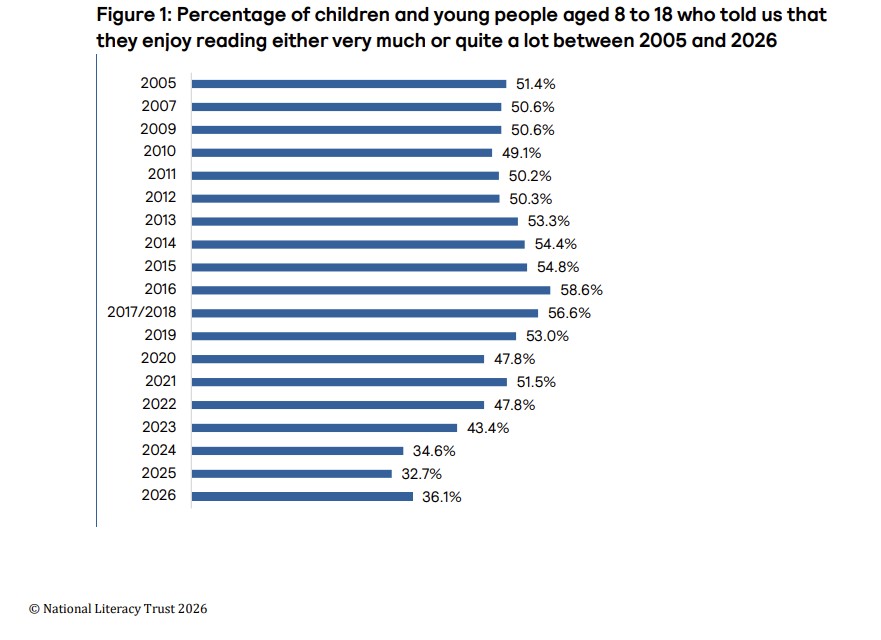
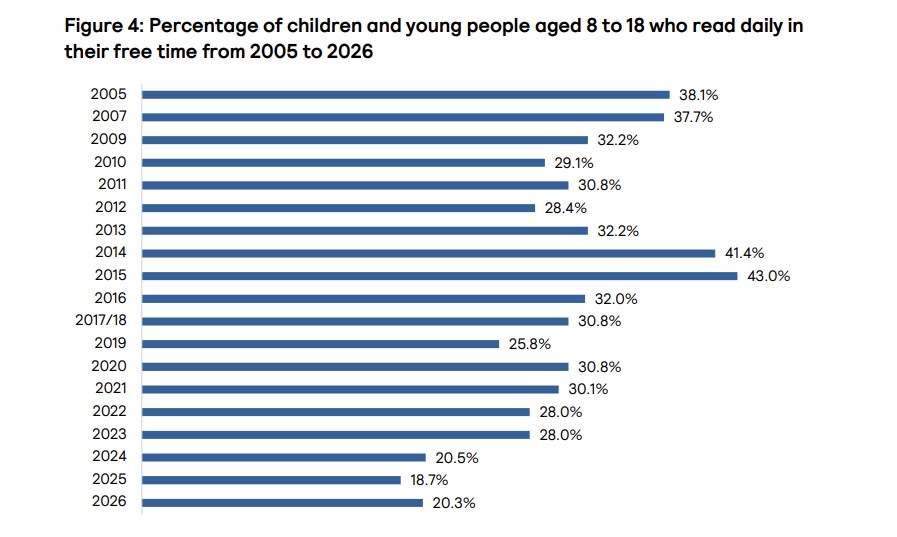
According to the National Literacy Trust’s 2025 Annual Literacy Survey, only one in three children aged eight to 18 said they enjoyed reading, a 36% decrease since the survey began in 2005. Just 18.7% said they read daily in their free time, the lowest level recorded by the Trust.
However, the National Literacy Trust’s 2026 survey found a small increase in reading enjoyment and daily reading after several years of decline.
Avni Vyas, director of Reading Bridge, said: “These are welcome upticks, but the underlying picture is still concerning, and the recovery is uneven.”
“This is exactly the window where an intervention like ours can help sustain and deepen that momentum, rather than let it stall again.”
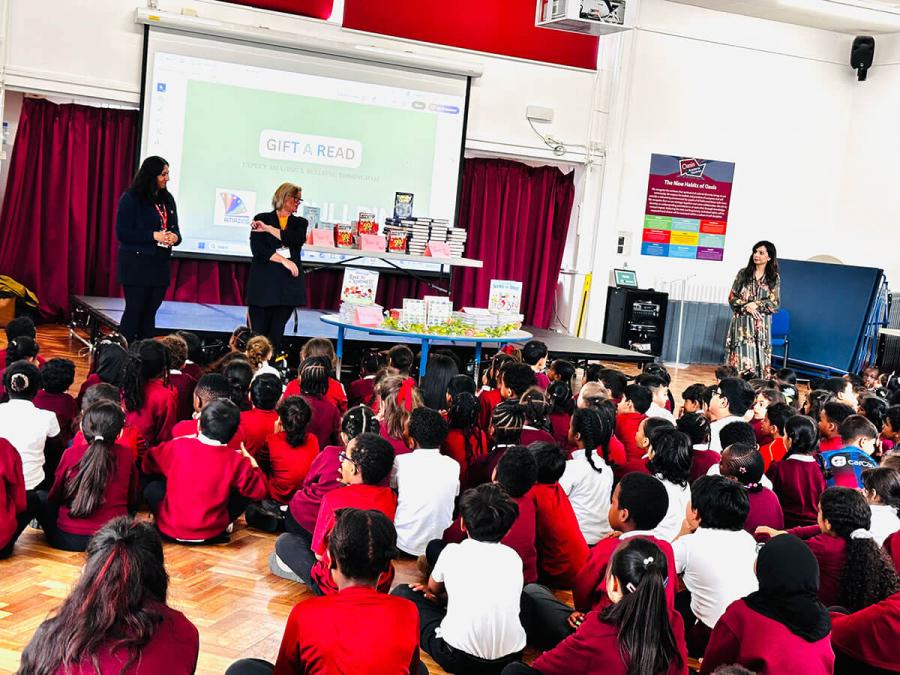
The initiative is based on the idea that “every child deserves a book of their own”. It was first trialled at St Paul’s CE Primary School in Hammersmith, where children each received a new, age-appropriate book to take home.
Siobhan Johnston, head of school, said: “The excitement on the children’s faces as they explored the new books was wonderful to see, with many eager to dive straight into their chosen stories.
“Reading is such an important skill, opening doors to imagination, knowledge and creativity.”
While schools and libraries provide access to books, Vyas said: “Ownership plays a real role in building that enjoyment: a book a child chooses and keeps for themselves feels different to a borrowed or shared one.”
“Access to books at home is one of the clearest and most fixable factors. This isn’t just about interest in reading. It’s about whether a child even has the opportunity to develop that interest in the first place.”
Reading Bridge has already given books to more than 10,000 children with its delivery partner Expect Amazing and worked with more than 25 schools.
The campaign to reach all 35 state primary schools in Hammersmith and Fulham is Reading Bridge’s most ambitious project yet. Fundraising will continue until November.
Research credit: Clark, C., Picton, I. and Arif, A. (2026). Children and young people’s reading in 2026. London: National Literacy Trust.
Featured Image credit: Reading Bridge.

Join the discussion