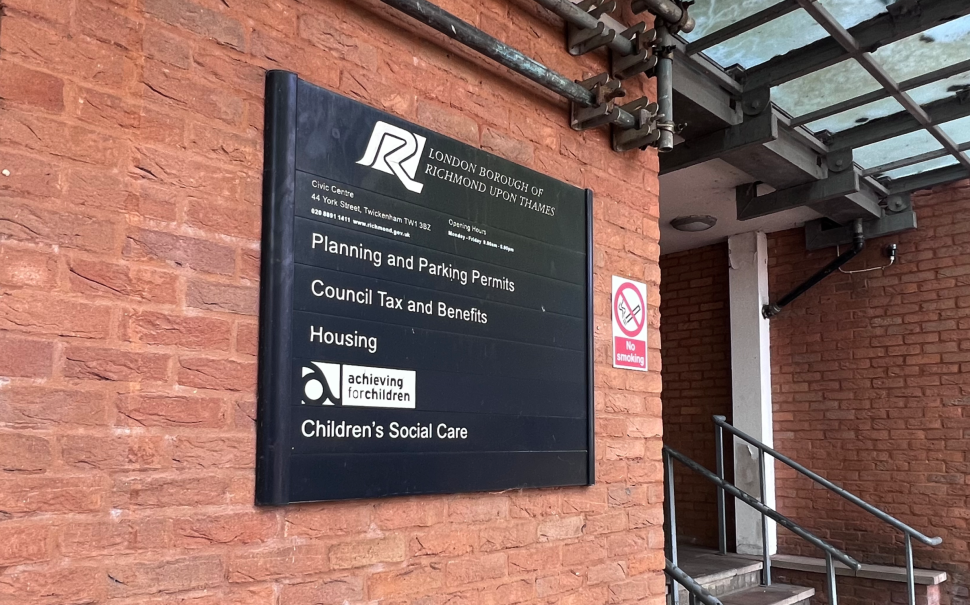
Formal complaints about Richmond’s children’s services have risen by more than 70% in a year, with a panel finding some decisions made by placement staff were “inappropriate and not proportionate”.
A report presented to the council’s Education and Children’s Services Committee revealed there were 45 statutory complaints in 2025-26, up from 26 in 2024-25.
The figures come after Richmond’s children’s services were rated ‘outstanding’ by Ofsted in 2025, including for the experiences and progress of children in care and care leavers.
Issues with children’s placements were the most common concern raised during the first stage of the council’s complaints process, rising from three complaints last year to 11 this year.
A placement is the home or accommodation arranged for a child who is in care, such as a foster home or residential children’s home.
Six of the 11 placement-related complaints were made directly by children in care.
One case involved a young person who went missing from a foster or residential placement after concerns about staff actions. The panel did not uphold concerns about the suitability of the placement, but partly upheld elements of the complaint relating to the placement provider. It found some decisions made by placement staff were “inappropriate and not proportionate”.
Another case involved a care leaver who felt “excluded and insufficiently supported” while uncertain where to live during the transition from a Staying Put arrangement. The council acknowledged the distress caused and apologised.
Staying Put allows some young people to remain living with their former foster carers after turning 18.
A further care leaver complaint concerned temporary accommodation described as “unsafe and too distant”. The complaint was not upheld, but the council apologised and acknowledged it had failed to provide an updated Pathway Plan, which sets out how a young person will be supported as they leave care and move towards independent living.

Achieving for Children, which provides children’s services on behalf of Richmond Council, said the rise in complaints reflected a national shortage of suitable homes for children in care, particularly those with complex needs.
The shortage was “particularly acute” across London, it said, meaning some children had been placed further from their borough, families and support networks than it would want. Achieving for Children acknowledged this could cause “disruption and distress”.
The organisation also said more young people were making complaints themselves, with complaints made directly by children and young people rising from four to 11.
It comes as new research from children’s charity Become highlighted pressures on the workforce supporting care leavers.
The charity found that personal advisers, who help young people leaving care with issues including housing, finances and education, are overloaded with cases.
The highest average caseload reported by a local authority was 36, while the highest individual caseload was 46.
Anela Anwar, chief executive of Become, said: “For young people leaving care, their Personal Adviser is the one person who’s in their corner.”
She said Personal Advisers were being expected to provide essential support “without any real investment in their role”.
Become is calling for a national strategy for the leaving-care workforce, including a maximum caseload of 20 young people per personal adviser.
Complaints about communication also increased, from two last year to six this year. However, the report showed improvements in how quickly complaints were handled.
It reported that 67% of initial complaints were responded to on time, compared with 42% the previous year.
Of the 33 complaints considered at the local resolution stage, nine were fully upheld, 13 were partly upheld and 11 were not upheld.
In total, two-thirds of complaints were at least partly upheld at the local resolution stage.
Achieving for Children said it was strengthening communication, care planning and record-keeping, while developing its own local children’s home provision and working with the London Regional Care Cooperative to recruit more foster carers.





Join the discussion