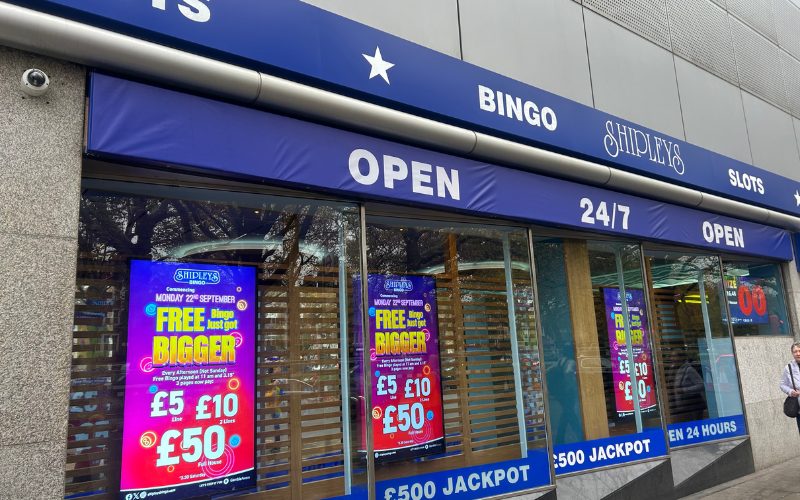
If you have ever spent a Saturday afternoon wandering through the leafy streets of Richmond or caught a show at the New Wimbledon Theatre, you will know that south west London has a very specific kind of charm.
It is an area that manages to feel both incredibly posh and deeply community-focused at the same time.
For decades, the leisure scene here was defined by grand buildings and shared physical spaces.
There were the sprawling cinema houses that eventually became bingo halls, the local pubs where the dartboard was the centre of the universe, and the social clubs which acted as the heartbeat of the neighbourhood.
But things have changed quite a bit lately. If you look around a morning train on the District Line now, you won’t see many people leafing through a broadsheet newspaper or reading a physical book.
Instead, you’ll see a sea of glowing screens. The way we spend our downtime in Putney, Chelsea, and beyond has undergone a massive shift.
People have moved from the scheduled, communal activities of the past to something much more personal, flexible, and digital.
It’s a fascinating evolution that tells us a lot about how the local culture is adapting to a much faster pace of life.
The golden age of leisure: A look back
There was a time, not so long ago, when a night out in Wimbledon or Richmond followed a very predictable, yet wonderful, pattern.
The local bingo hall was often the crown jewel of the high street. Many of these venues were housed in stunning former Art Deco cinemas, with high ceilings and a sense of occasion that you just don’t find in modern architecture.
These weren’t just places to play a game; they were vital social hubs where neighbours met up, caught up on the latest gossip, and enjoyed a sense of belonging.
In Richmond, the old gaming hubs and social clubs provided a similar anchor. You’d see the same faces every week, and there was a real ritual to it all.
You had to be there at a specific time, you sat in your usual seat, and you participated in a collective experience. It was leisure that required a bit of commitment.
You couldn’t just dip in and out. You were there for the duration, whether that was a three-hour bingo session or an evening of billiards.
This era was defined by physical presence and a slower, more deliberate way of relaxing.
The shift to snackable entertainment
Fast forward to the present day and the lifestyle of a typical south west London professional is unrecognisable compared to 30 years ago.
People are busier than ever. Between the long commutes from Putney to the City and the demands of a high pressure career, who has three hours to spend at a bingo hall on a Tuesday night?
Many have experienced that feeling of getting home and being too tired to even choose something on Netflix, let alone head back out to a social club.
This has led to the rise of what people are calling “snackable” entertainment. It is all about those little pockets of time we find throughout the day.
Maybe it’s the 10 minutes spent waiting for a latte in a Chelsea cafe, or the 20 minute stretch between Earl’s Court and South Kensington on the tube. People want fun to be mobile first and ready when they are.
The idea of “appointment viewing” or scheduled hobbies have been ditched in favour of interactive experiences that fit into our pockets. This isn’t about being antisocial; it is about efficiency.
People still want that engagement and that bit of excitement, but need it to be on their own terms.
The digital world has stepped in to fill those gaps, offering quick, high quality bursts of entertainment which don’t require anyone to plan their entire evening around them.
Nostalgia reimagined for the modern age
Even though people have moved onto digital platforms, theu haven’t lost their love for the classics. There is something deeply comforting about British television heritage and the games they grew up with.
This nostalgia is a powerful force, and it’s being used to bridge the gap between the traditional bingo halls of Wimbledon and the high tech smartphones in our hands today.
There is a massive trend where iconic British TV brands are being reimagined for digital audiences.
It’s not just about watching a show anymore, it’s about interacting with it. This is where the concept of “Slingo” comes into play.
For those who haven’t come across it yet, think of it as the modern, digital successor to the community bingo formerly seen in those grand Richmond halls.
It takes the familiar, comforting mechanic of marking off numbers and blends it with the fast-paced nature of a slot game.
One of the best examples of this is how Deal or No Deal Slingo has taken a beloved TV format and turned it into a perfect piece of snackable entertainment.
For a professional commuting on the District Line, it offers a bit of that familiar TV suspense but in a format that actually fits the commute.
It’s a clever way of keeping that British gaming tradition alive while making it work for someone who doesn’t have the time to sit in a physical hall.
It acts as a bridge between the historical social clubs we remember and the high tech, mobile led lifestyle people live now.
Why the Banker and the grid work so well
The reason why something like Deal or No Deal Slingo resonates so well with the modern south west London crowd is the way it balances simplicity with engagement.
The game show itself was always about that agonising choice: do you take the Banker’s offer or do you keep going?
By bringing that mechanic into the Slingo format, you get a game which is easy to pick up but actually requires you to make decisions.
You aren’t just a passive observer. You are working through the grid, looking for those lines, and then suddenly the phone rings and you have to decide if the offer on the table is worth it.
It captures the essence of the original show but strips away the fluff, making it ideal for a quick session during a lunch break in a leafy Putney square.
It’s that combination of classic TV IP and modern, quick play mechanics that seems to be the winning formula right now.
The future of local leisure
Looking toward places like Chelsea and Putney, it is easy to see the future of leisure taking shape. These are some of the most tech-savvy neighbourhoods in the country, and the residents here are usually the first to adopt new trends.
The world is moving towards one where the boundary between physical surroundings and digital entertainment becomes even thinner.
While the old bingo halls might have mostly closed their doors or been converted into luxury flats, the spirit of that leisure hasn’t vanished. It has just evolved.
There are more “competitive socialising” venues popping up in SW6 and SW15, where digital tech is used to enhance traditional games like darts or mini-golf. But the real growth is in the palm of our hands.
The next step will likely involve even more personalisation. People won’t just be playing a game, they’ll be part of a digital community which mirrors the social aspect of those old Richmond clubs, just without the need to be in the same room.
The demand for high quality, branded content that we can access in seconds is only going to grow.
South west London has always been a place that values both tradition and progress, and its leisure scene is currently the perfect reflection of that balance.
Whether it is a quick round of a game show-themed Slingo while waiting for a train or using an app to book a boutique fitness class in Fulham, our downtime is now defined by choice and convenience.
People might miss the grand architecture of the old halls, but the accessibility and innovation of the digital age have given them something equally valuable – the ability to find a little bit of fun whenever and wherever they want it.
***
Please gamble responsibly. For advice and support, visit BeGambleAware.org. You must be 18 or over to play.
Feature image: Grace Crowley