Richmond Park has some of the highest visitor numbers for any attraction in the country, but with data suggesting visitors have roughly doubled every 10 years, how is it coping with this demand?
The most visible impacts on the park that can be observed include the harassment of wildlife, environmental degradation, and a rise in anti-social behaviour.
Data from Royal Parks and Friends of Richmond Park shows a steady rise in visitor numbers over the past two decades and while no official count has happened since 2014, the long-term trajectory suggests current figures are likely to be much higher.
Wildlife
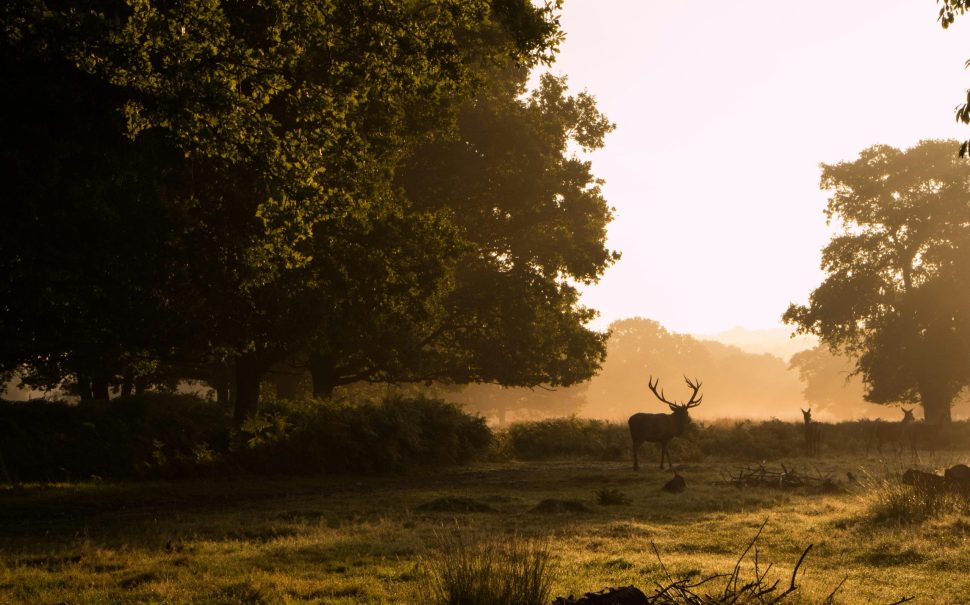
Richmond Park is historically a nature reserve, meaning it is home to over 4,000 different wildlife species, and more famously around 630 Red and Fallow deer.
The Park’s free-roaming deer have attracted significant media attention in recent years, drawing visitors in growing numbers and creating difficult encounters between the public and wildlife.
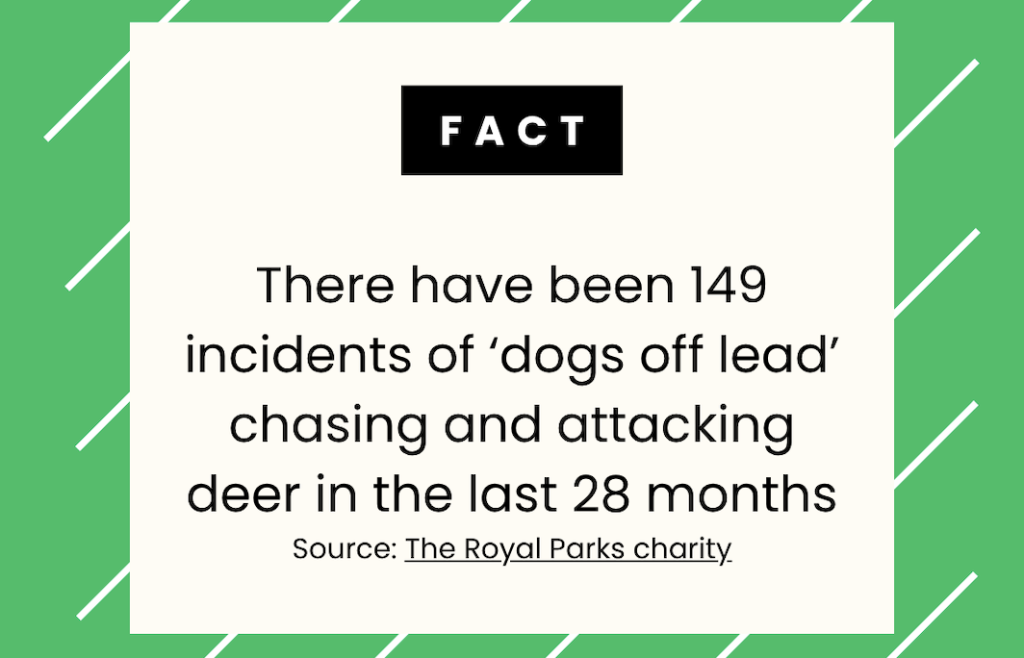
One of the biggest issues for this came with the rising number of dog walkers using the park in recent years, which led to the introduction of rules stating dogs must be kept on leads during deer birthing season after Covid.
Friends of Richmond Park trustee Nick Coleman said: “If you go, you see these people stopping, photographing and getting close, and the deer get a bit anxious and start shuffling away.
“It’s called deer harassment, and it’s illegal under Park Regulations.
Coleman added they have recorded 9,000 cases of deer harassment in four years.
Environment
Another threat from rising visitor numbers is the tangled issue which comes from altering the natural environment to accommodate visitors.
The park is traditionally a nature reserve, but it is being changed in order to cope with these numbers in a process known as creeping domestication.
Park management is having to build formal paths and fence trees to protect the roots, which is making the park increasingly urban just to cope with the footfall.
Coleman said: “There is an ongoing major threat, simply about demographic pressure, more and more people, and then the reaction to try and control this is to modify the park.”
Efforts are currently being made to preserve Beverly Brook, which is a river flowing through Richmond Park, which also involves fencing parts off in order to protect it from visitors.
Behaviour
Aside from the environmental impacts, the increasing number of visitors means the social impact of bad behaviour has also become more frequent.
On top of this, the Metropolitan Police made the decision to disband the Royal Parks Police unit last year.
Activities such as barbequing and swimming in prohibited areas are becoming more frequent, all of which can harm the wildlife.
More visitors to the park who drive also means people are increasingly parking wherever they want, putting a strain on the areas of land and current facilities.
Coleman said: “Less enforcement means more vehicles use the park, speeding, barbecues, and potentially fires on the grass, and it means people parking wherever they want, feeding the deer, and so on.”
Featured Image credit: Photo by Daniel Buckle on Unsplash