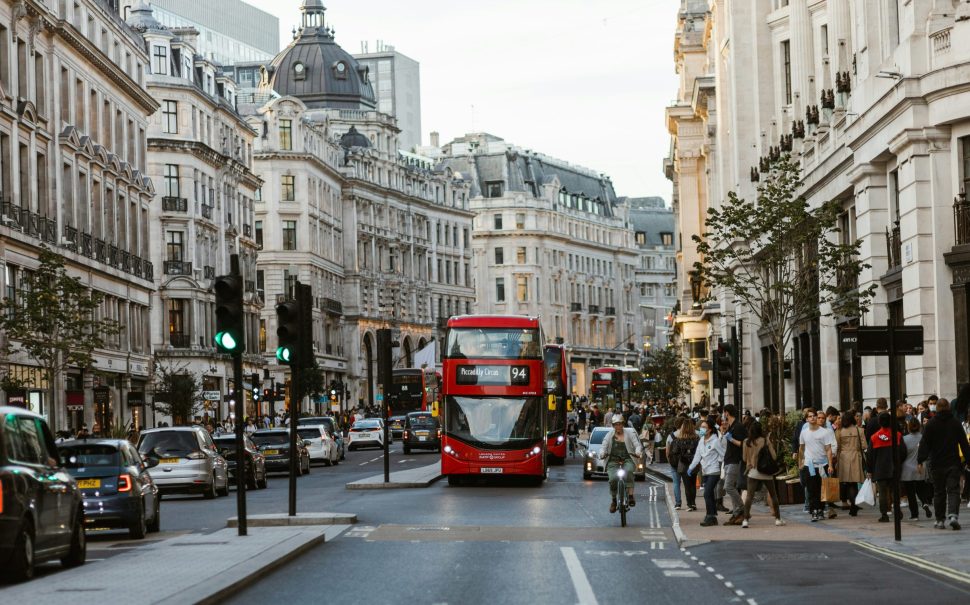
Complaints about buses failing to pick up waiting passengers have increased by almost a fifth in the past three years, Transport for London (TfL) data shows.
TfL received 5,005 complaints in the 2024 financial year, rising to 5,694 the following year before increasing again to 5,985 in 2026.
TfL have received 16,684 complaints relating to buses driving past passengers since April 6 2023, 13,647 of these recorded as ‘refusal to stop’, 3021 for ‘refusal to open’, and 16 ‘failed to pick up’.
With 90 complaints, the 366 was the most complained about route, running from Beckton Bus Station to Falmouth Gardens.
And the 28 complaints for Harrow bus station made it the most complained about location in London.
A TfL spokesperson told the Londoners bus drivers will drive past a stop, or only let passengers off, in the interest of customer safety and to prevent overcrowding.
One bus driver who wanted to remain anonymous added: “It can also be because the driver is new or inexperienced and will occasionally miss a stop in error.
“But mostly these situations are driven by safety and operational rules, not personal choice.
“Once a bus reaches its maximum legal capacity, we are not permitted to stop for boarding at any further stops.”
The bus driver added: “Many passengers do not understand this rule and can become angry.”
Speaking to passengers at Hammersmith Station, one of London’s top 15 busiest bus stations according to Ed Jefferson, some passengers expressed frustration towards the issue.
One woman said: “I have had it when I am right at the door and the bus just drives past.
“I don’t think it is because the buses are full – I think the drivers are being rude and it ruins my day.”
Other customers were more understanding of London’s bus drivers.
One man said: “When a bus drives past me it is usually because the bus is full and there is another one coming straight after.”
Yet for most passengers, they could not recall the last time a bus had driven past them when waiting at the bus stop, and rather they had other issues with London’s bus network that were concerning them more.
One Londoner said: “I am more worried about reduced services than buses not stopping.”
Another man who works at a hospital added: “I am more bothered about the reduced size of roads which means journeys take longer.
“My journey from Hammersmith to Isleworth used to take me one and a half hours but now it takes me over two hours – it’s not even that far.”
A woman in her 40s told the South West Londoner: “No one is happy with the buses these days – I just hope they don’t cut my bus.”
And the bus driver speaking anonymously echoed passenger’s wider concerns around London buses.
He said: “There’s frustration for both the passenger and drivers.
“London’s modern bus network is defined by impossible timetables, chronic congestion, unpredictable passenger surges and a network thinned out by repeated service cuts.
“This has worsened since the introduction of Low Traffic Networks and expanded 20mph zones during and after the Covid period that have significantly slowed traffic flow and increased journey unpredictability.”
The bus driver explained the psychological effects this working environment has on bus drivers, including the impact of being held responsible for driving past waiting passengers.
He said: “When drivers are blamed for operational failures, pressured into overtime, denied meaningful rest and subjected to disciplinary processes that feel hostile, it creates a culture where people feel undervalued, mistrusted and constantly under threat.
“That environment breeds burnout, irritability, sleep disruption and, in many cases, symptoms of anxiety or depression.
“The situation is not just an operational problem but a clear mental health risk built into the structure of London’s bus network.”
Kevin Mustafa, a former London bus driver turned activist who has spent the last seven years campaigning for driver safety, is also vocal about the wider problems the rise of passenger complaints reflects.
He said: “The central issue for London’s bus network is not isolated matters such as a passenger not being picked up at a bus stop. The more significant concern is the wider, systemic safety picture.”
The Fight Fatigue Now report was released by Unite the Union in April this year to detail how poor working facilities and demanding schedules makes drivers come to work so tired that they pose a public safety risk.
Prior to this, the 2017 Bill of Rights (BoR) was written by London bus drivers to outline the action needed to improve working conditions and better protect passengers, consisting of 11 clauses that span issues from vehicle maintenance to toilet facilities.
Formally presented to the Mayor at London Assembly on February 13 2025, the BoR has not been adopted into TfL bus contracts.
When questioned about this during Mayor Question Time on February 25 2025, the Mayor rejected calls to adopt the BoR and explained that the proposed measures were already covered by existing legislation, contractual obligations and workplace agreements.
In relation to complaints of buses driving past waiting passengers, a TfL spokesperson said: “London’s bus network remains the most popular form of public transport in the capital, with millions of journeys made every day, helping people get around affordably while also delivering benefits for public health and air quality.
“Delivering a great service is important to us and we conduct performance reviews with all of our operators to ensure our customers are getting the best possible service.”
They added that complaints are taken seriously and sent to the respective bus operator to fully investigate.
Featured image by Jacob Smith (unsplash.com)