Your bird feeder could be fuelling a fatal decline in bird populations this summer and autumn.
We should all stop filling bird feeders with seeds and peanuts from May until the end of October – according to new guidance from the Royal Society for the Protection of Birds (RSPB).
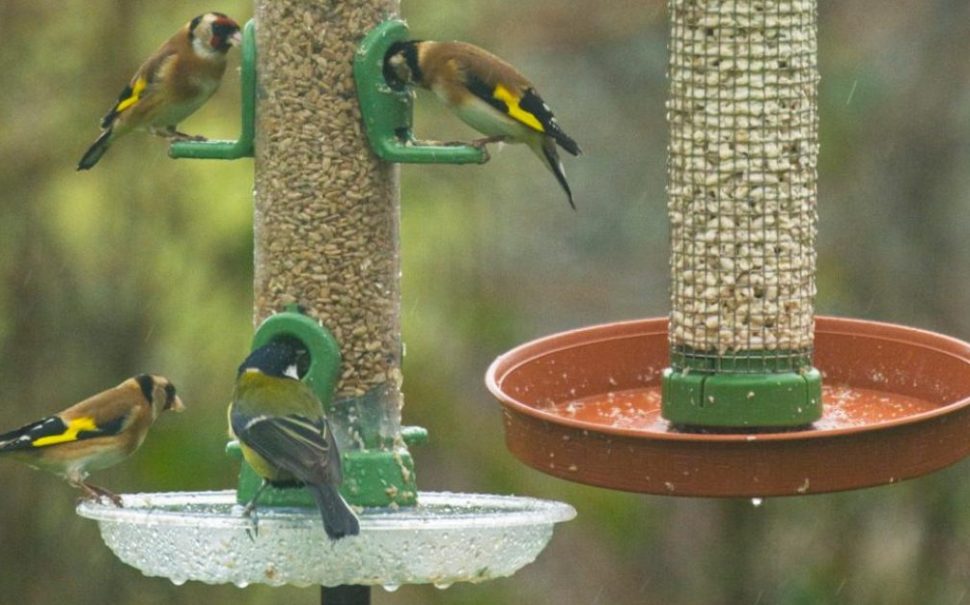
This is because a highly contagious disease has decimated some bird species – and this disease can spread at feeders.
The disease is called trichomonosis, and it has fuelled a 65% drop in Greenfinch populations in the last three decades alone.
Harriet Brampton, RSPB communications officer, said: “The disease causes lesions at the back of the throat and in the gullet, preventing infected birds from swallowing food and water.
“Affected birds often become very thin and may die of starvation.”
The disease spreads more easily when birds gather in large numbers – including at bird feeders and water baths.
When they gather, they regurgitate contaminated food and water, which then spreads the disease as it is accessible to other birds.
According to Brampton, the risk is highest in summer and autumn.
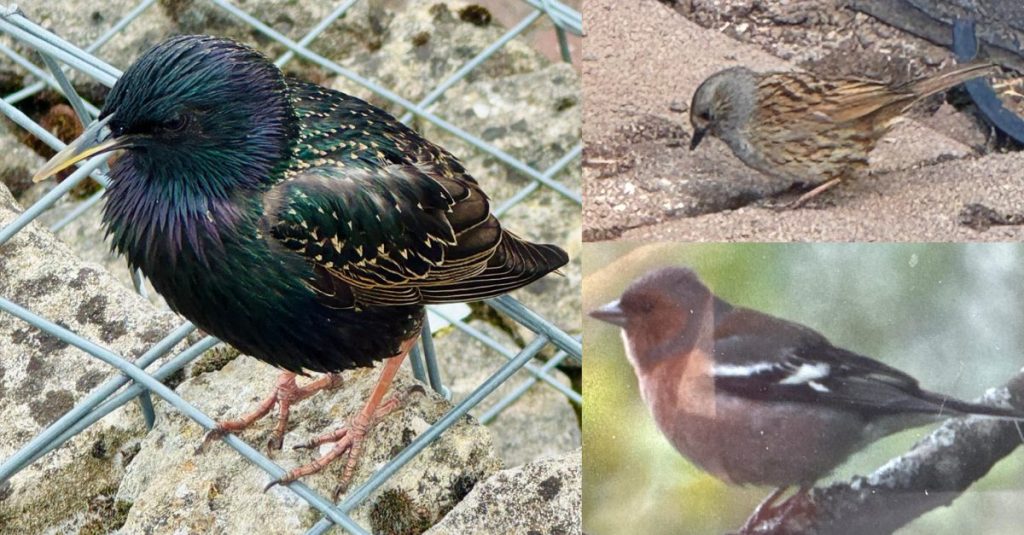
Bird enthusiast Rebecca Dunne said: “If you feed the birds, obviously you want the best for the birds.
“You don’t want to be passing on a nasty parasite.”
Dunne reported seeing an infected dunnock bird in her garden, she called the bird’s death “horrible to watch”.
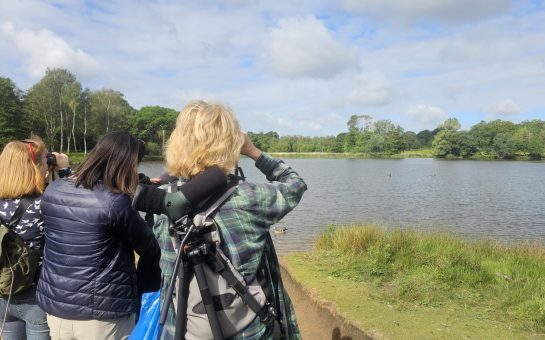
Roy – a fellow member of Dunne’s Richmond Park in bird watching group called The Early Birders – described it as “a slow and painful death” and advised cleaning everything from feeders to bird baths regularly.
Brampton said to look out for the following signs of trichomonosis:
- Signs of general illness (lethargy, fluffed-up plumage);
- Difficulty in swallowing or laboured breathing;
- Wet plumage around the bill, and drool saliva or regurgitate food that they cannot swallow;
- A visibly swollen neck
Brampton advised waiting until November before you feed birds seeds and peanuts.
But, the RSPB do recommend some alternative feeding options, you can read their full guidance here.
Featured image credit: Elsa Nightingale