Nausea. Weight loss. Excessive thirst. Vet bills.
Chronic kidney disease is one of the most common health conditions affecting older cats in the UK, yet only one in six cases is caught early enough for effective treatment.
Research by EveryCAT found up to 80% of cats over 15 suffer from chronic kidney disease (CKD), and a study of 353,448 cats across 244 UK veterinary practices found kidney disease affects 3.6% of cats aged nine or older.
Of those diagnosed, 66% were only identified after showing clinical signs such as weight loss and excessive drinking, while just 17.6% were detected through routine screening.
This year, researchers from the University of Nottingham discovered domestic cats accumulate rare modified fats inside their kidney cells, which could help explain why the condition is so prevalent in cats specifically.
Dr Lucy Knight, advanced practitioner in small animal medicine at the London Cat Clinic, believes longevity is a key factor.
She said: “I think we’re just seeing cats living longer.

“People are starting to look after their cats better, so maybe we are seeing a few more cats with kidney disease.
Dr Knight added: “With older cats, kidney and thyroid problems are the most common.
“Definitely, a lot of aging cats suffer from kidney problems.”
Common symptoms of kidney disease include drinking more water, drinking from outside, losing weight and high blood pressure, which Knight warns can also cause blindness.
Despite the scale of the problem, treatment does not have to be unaffordable and different management regimes may increase survival by a factor of three.
Dr Knight said: “We can always help and make quite a difference.
“The good news is not all of it is expensive – we can use senior or kidney diets.
“One thing that is around £30-40 that I would invest in is a blood pressure check, because 19% of these cats will have higher blood pressure.”
Dr Knight’s simplest piece of advice is for owner to collect their cat’s litter, take it to the vet and ask for a specific gravity test measuring how concentrated the urine is.
Izzy Hocking, senior veterinary engagement manager at Cats Protection, urges owners not to panic but to stay alert.
She said: “I would say that in my experience lots of cat owners know it’s a common problem when cats get older.
“I have always been trying to make sure everyone is aware so that it’s easier to catch it earlier.”
Early symptoms can be subtle, such as lower energy, reduced movement and eating less.
In the general cat population, the condition affects around one in 100 cats, but roughly one in three cats over the age of 10.
Hocking explained there is also a more serious form called acute kidney injury, which occurs when a cat comes into contact with something toxic such as lilies or antifreeze.
She has treated younger cats with it, strongly suspecting exposure to antifreeze in some winter cases, while in others the condition was inherited.
Hocking saidd: “Young cats are quite curious and more at risk of toxic substances.
She encouraged owners to speak openly with their vet about costs and noted those on benefits may be eligible for charitable veterinary services such as PDSA or Blue Cross.
She also strongly encouraged owners to take out pet insurance as early as possible.
Hocking added: “If you delay things it can lead to things being more of a bigger problem down the line.”
Dr Bella O’Connell, a veterinary surgeon specialising in nutrition, believes diet is at the heart of the issue of kidney disease in older cats.
She is particularly concerned about the impact of dry food.
She said: “A cat is a carnivore. When we have cat food with grain in it, it is not a species-appropriate component of the diet.

“When cats are getting kidney disease and other diseases, it is not the right food for them.”
“Wet food is essential for kidney disease, leaving dry food out all day is very convenient but water is essential.”
The quality of water in the capital is another concern for Dr O’Connell.
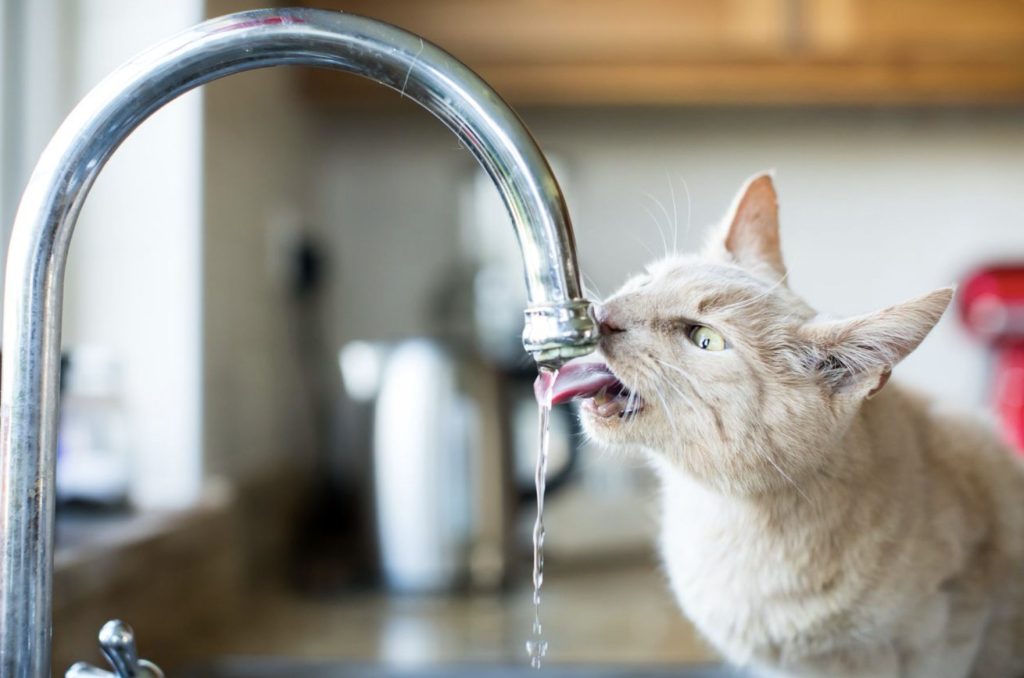
Her recommendation is for owners to get a water fountain with filtered water, as cats instinctively prefer flowing water.
Dr O’Connell added: “The water in London is pretty contaminated with chemicals – filtered water should be considered.”
Her advice to owners worried about costs is straightforward, too.
Dr O’Connell said: “If you feed the right food, you can save an awful lot on vet bills.”
Feature image: Free to use from Unsplash