In 1922, Howard Carter stumbled upon one of the greatest archeological discoveries of all time: King Tutankhamun’s tomb.
Inside the burial chambers were more than 5,000 priceless treasures – from royal chariots to the iconic golden funerary mask.
Today, there are few who decide to be buried with as much.
Most people’s assets are now tied up in bank accounts, investments or property, and pass down through the generations.
But what happens when people die with no relatives and no will?
For most, all money and assets will end up in the hands of the Crown.
Since 2011, £222m in income has been collected from unclaimed estates.
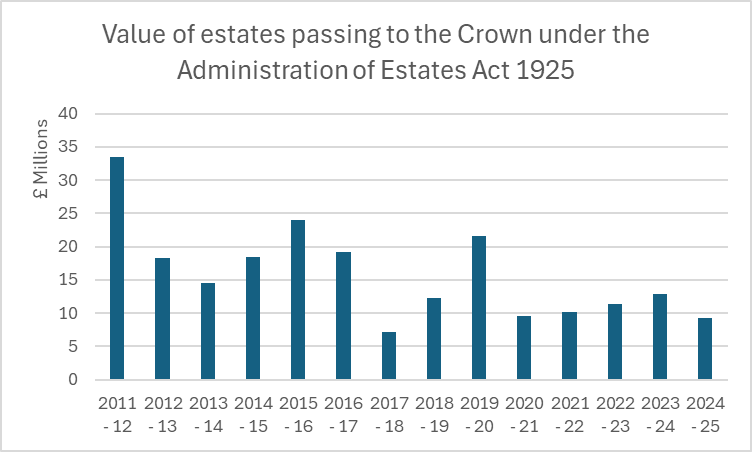
An estate – the sum total of a dead person’s assets minus liabilities and debts – is deemed “unclaimed” if there is no valid will, no obvious heirs, and no contactable relatives.
For most England and Wales residents, their unclaimed estate is managed by the Government’s Bona Vacantia Division (BVD), which acts on behalf of the Crown.
For those living in Cornwall, it is the Duchy of Cornwall, and in Lancashire, Merseyside and Greater Manchester, the Duchy of Lancaster.
The BVD currently manages over 5,471 unclaimed estates, with a limit of 30 years from someone’s date of death for a blood relative to claim.
Some effort is made by the BVD to try and find blood relatives.
Official public record notices are placed in the Gazette, and a public spreadsheet is regularly maintained with details on the deceased.
But without help, many rightful heirs struggle to make the connections needed for a successful claim before the 30 year limit runs out.
Incorrect details on legal documents, different names, misspellings, and relatives moving abroad, all create issues that sometimes require professional help to solve.
That’s where an Heir Hunter often comes in.
Heir Hunters, also known as probate genealogists, are sometimes employed to track down legal heirs to unclaimed estates, alongside other probate matters.
The term Heir Hunter was popularised by the BBC documentary of the same name, but the profession dates back to the 19th century.
They generate income by charging fees for their time and research, and are instructed by trustees, solicitors and executors of a will.
Anglia Research, a family-owned business based in Suffolk, specialises in probate genealogy.
Phil Turvey, the Executive Director for Anglia Research, has worked at the firm for nearly 30 years, and currently manages the day-to-day operations first started by his father, Peter.
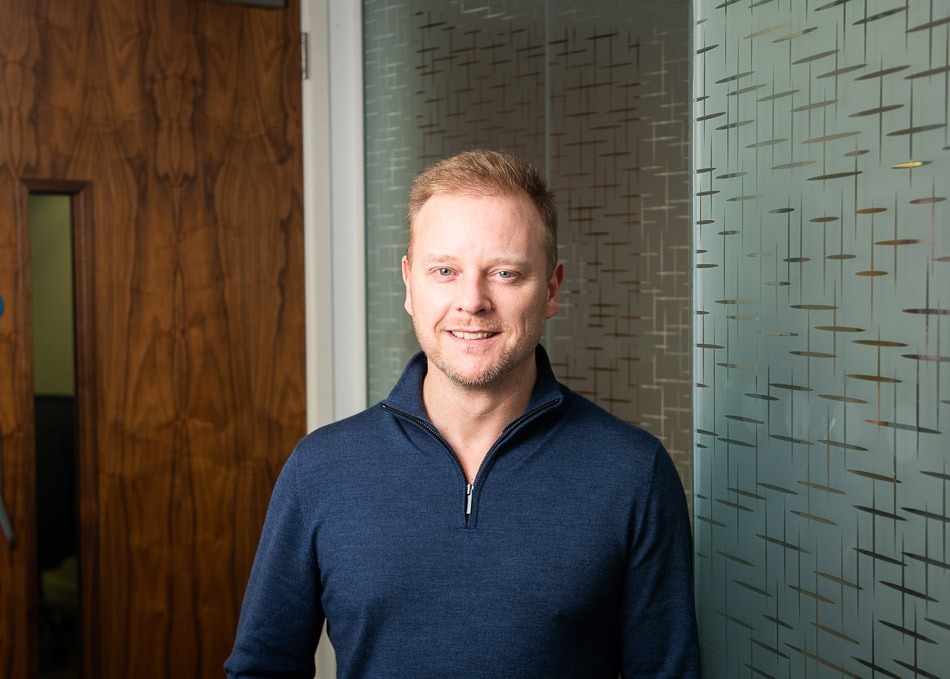
While Turvey is not as involved as he used to be with the day-to-day research of the case managers, he still finds the work fascinating.
Turvey said: “I love the job I do, the day never drags. It always goes quickly, which I take as a good sign.”
He agrees that the road to a claim is not always straightforward.
As the information listed on the Government’s unclaimed estate spreadsheet is so narrow, an individual’s place of death can often be a starting point for research.
While the most common place of death on the list is London, there are some who died abroad in places like Morocco, France, Ukraine and the US.
This can complicate matters for Turvey and the team.
He said: “Things have changed over time… where we are looking perhaps for grandparents of the deceased and their aunts and uncles, you might expect they all reside in a similar area of the country, and they haven’t moved too far.
“Now, it’s not unusual for us to find beneficiaries who have moved abroad, and you know, we’re trying to trace them in other countries, such as Spain or Australia.”
Similarly, changing societal norms and expectations can impact research too.
Turvey said: “If you have an aunt of the deceased person who died and is unmarried, you might have assumed years ago that she died a spinster and had no children.
“You can’t apply that same thinking anymore.”
For those without the funds for professional help, there is also the option for potential heirs to conduct the research themselves.
Ancestry and Find My Past are both websites that often offer a good starting point for a journey into a geneological past.
Otherwise, local libraries can provide a valuable resource for finding historical documents that could help contribute to a claim for an unclaimed estate.
Emma Anthony, a senior archivist at the Wandsworth Libraries and Heritage Service, has spent many years helping people make connections with their past.
Anthony said: “It’s part of people’s identity, searching into their ancestry.
“It allows them to connect to someone through time, for sure.
“But it also helps them see that we’re all just a little speck. We’re all just a little speck of something far bigger than us.”
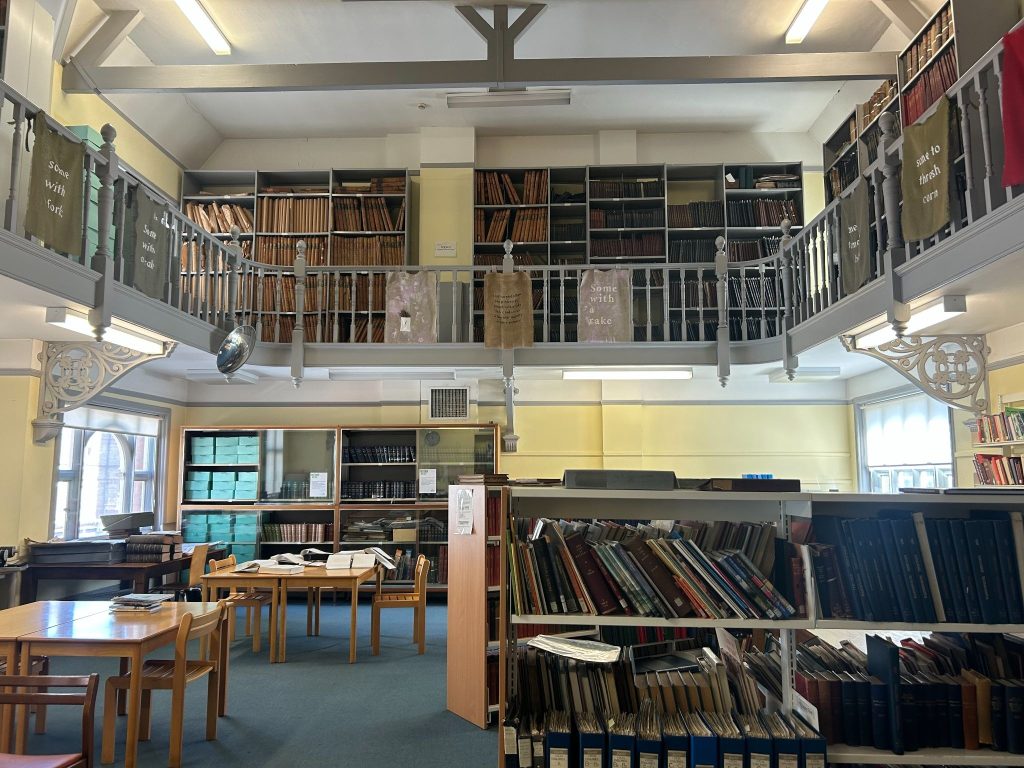
In the case of researching family history, Anthony and the team at the Wandsworth Heritage Service can assist with signposting documents like local electoral records.
But she also is quick to warn of the errors that can be encountered along the way.
Anthony said: “There’s margin for error with transcription…
“A lot of people were known by a certain name, and that wasn’t necessarily their legal name.”
Additionally, even census records can be unreliable.
“The 1911 and 1921 census records [were] filled out by the householder, so you would expect a level of accuracy for those,” said Anthony.
“But earlier census records (were) often filled out by the numerator going door to door.
“So there’s quite a large margin for error with that.”
While she has known of a few declared researchers that work in the line of probate genealogy, they are a rarity.
More often than not, researchers will keep their intentions close to their chest.
Regardless, Anthony enjoys being able to help anyone on their family history journey.
She said: “There is something very satisfying about being able to join the dots, and to locate a person and say, that’s exactly where they were at this given point in time.”
If these obstacles weren’t enough, fraudsters have also previously intervened in the process by creating fake wills before an heir has had a chance to make a claim themselves.
In July 2025, the unclaimed estates spreadsheet was briefly taken down following a BBC investigation that discovered criminal gangs were using the information to commit fraud.
In one instance, two sisters had an inheritance sum worth nearly a million claimed by a fraudster.
This particular case occurred immediately after the death of the individual, as the fake claimant was quickly able to produce a will.
While the list has since been reinstated, there is not as much readily available information as before.
Anglia Research assisted the BBC in this investigation, and as Turvey continued: “They reintroduced the list, albeit in a slightly different format.
“Some of the previously available information [was] removed from it, which I think would make it harder if someone was so inclined to make a fraudulent will.”
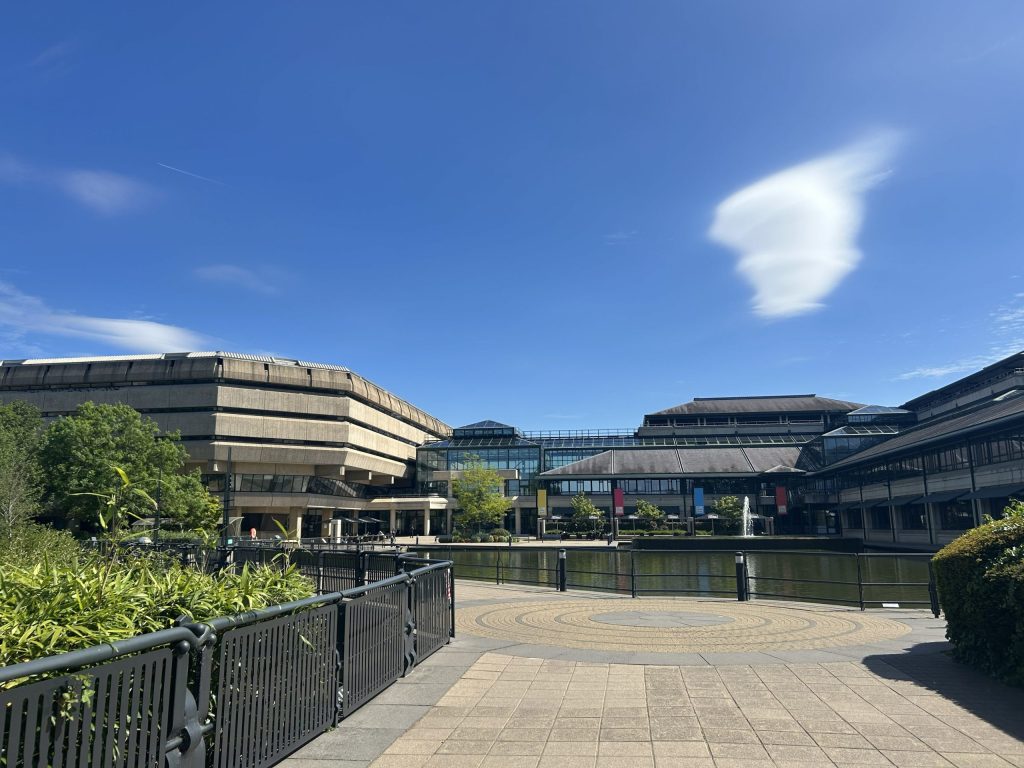
Both Turvey and Anthony agree a move away from written documentation towards digitization will likely help efforts to reunite long lost family members, and could help track blood relatives down more easily.
Anthony said: “When we look historically, people were able to disappear quite easily, and it’s much less so now.
“Certainly I think, if you changed your name, you have to do it by Deed Poll, so there’s a record there… but yes, I think probably it will be more difficult to get lost in the future than now.”
Phil agreed, but with a caveat.
He said: “The digitisation of records has opened things up in terms of being able to trace and locate people, certainly.
“But in contrast to that, people are so much more aware of their own privacy now, and are much more guarded about their details being publicly accessible.”
For the remaining unclaimed estates, the clock continues to tick before the 30 year deadline is up.
Without the help of Heir Hunters, archivists, and individual research, millions of pounds will be absorbed by the Crown, or Duchies of Cornwall and Lancaster in years to come.
As for King Tutankhamun, his many treasures were sent to the Grand Egyptian Museum in Cairo, where they are still displayed to this day.
If there is an afterlife, we can all only hope it’s ok to arrive empty-handed.
Featured Image: Photo by Colin Watts on Unsplash