London’s homicide rate is at a record low, with a decrease throughout the UK yet female homicide figures remain stagnant, fueling concerns that misogyny and violence are contributing to a potential femicide crisis.
The homicide rate across England and Wales was 8.6 per million in the year ending March 2025, a significant drop from 9.3 the previous year, according to the Office for National Statistics (ONS).
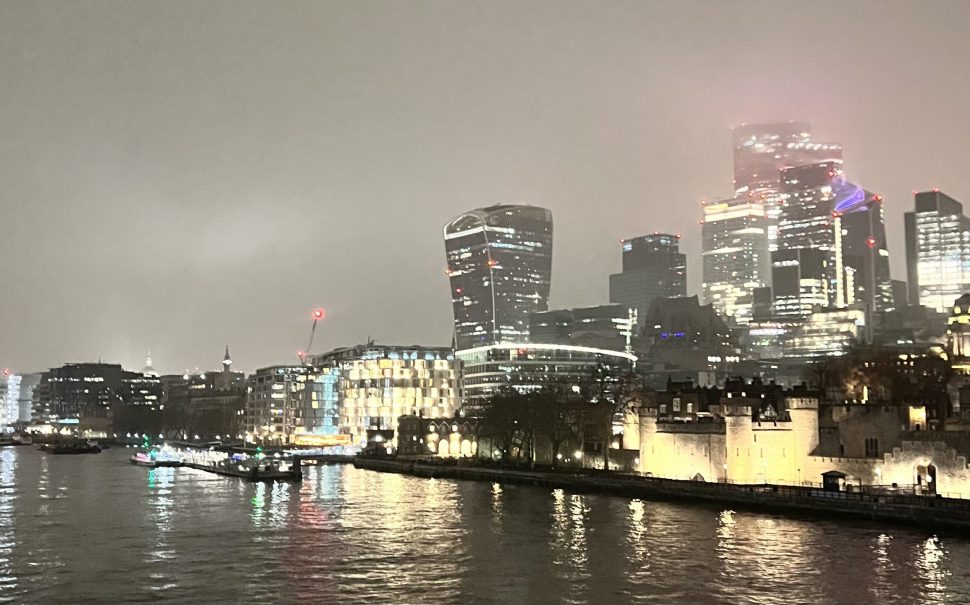
London particularly saw a notable drop in homicide cases, boasting its lowest figures in 11 years and the lowest rate, per capita, since records began.
On London.gov.uk, the Mayor of London, Sadiq Khan, said: “It’s clear that our sustained focus on being both tough on crime and tough on the complex causes of crime is working.”
Yet a closer look reveals a darker reality with female homicide rates appearing relatively stagnant across England and Wales, unlike male homicide rates, which dropped substantially.
These figures further fuel long-standing concerns that deep-rooted misogyny and violence against women and girls are contributing to instances of femicide.
According to the Femicide Census website: “Men’s violence against women is a leading cause of premature death for women globally, but research in the UK and Europe is limited.”

London-based abuse recovery coach, Ruth Oluwadare, 38, said: “Female homicide rates aren’t dropping in the same way as other crimes because many forms of violence against women are deeply rooted in private spaces.
“Until we stop treating violence against women as isolated incidents but rather a systemic issue, rooted in power and inequality, the rates are likely to persist despite other crimes decreasing.”
Oluwadare believes factors contributing to the female homicide rate, such as societal attitudes, a culture of silence and emotional control, aren’t targeted with the same urgency as other forms of violence.
In the year ending March 2025, the female homicide rate across England and Wales was 5, marginally lower than the 5.1 the year prior, whilst the male homicide rate was 12.3, down from 13.7.
The figures show that whilst the majority of homicide victims continue to be male (roughly 70%), women in the UK face a different type of threat – one which cannot be tackled in the same way as gang violence or street crime.
Women make up the majority of victims in cases of domestic homicide, where there is a specific relationship between the victim and perpetrator, with most killed by an ex or current partner.
And for both male and female homicide cases in the UK, the majority of perpetrators are male.
All this points to a situation in our society where men’s violence against women and girls (VAWG) persists in spite of efforts, sometimes with deadly consequences.
And, while the male homicide figure drops, women continue to face one of their biggest threats behind closed doors, at the hands of someone they know.
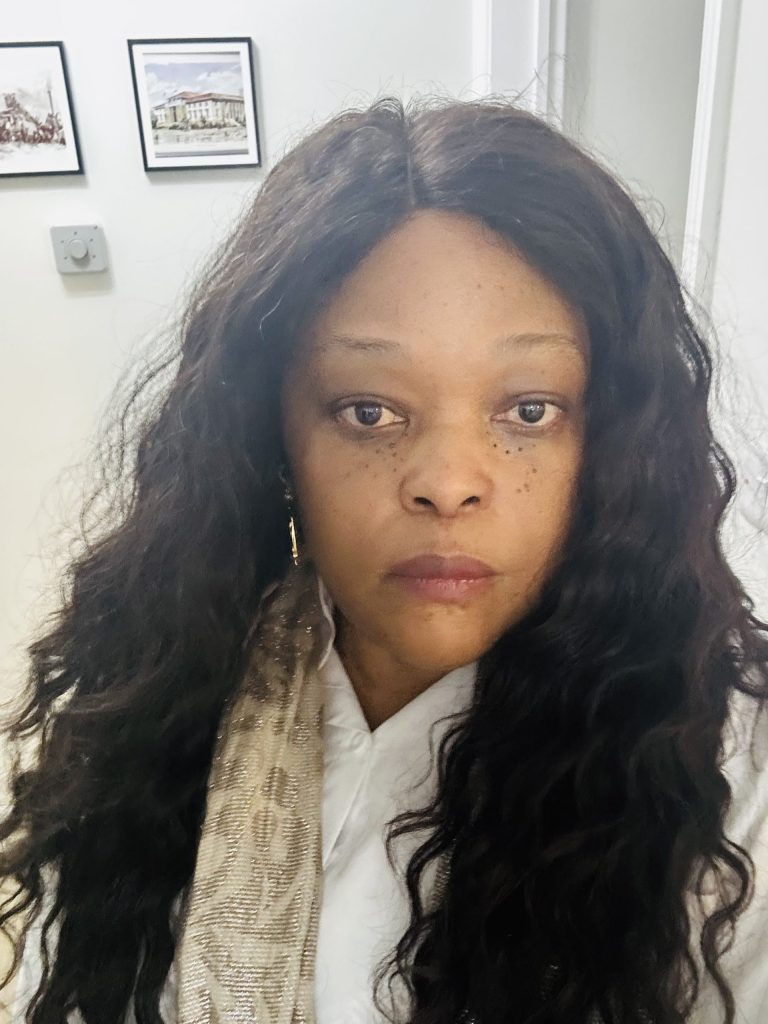
CEO and founder of Project Salama, Jacqueline Mukono, 53, said: “It’s just very concerning at the moment. Women and girls are not safe. We are not safe.”
Project Salama is an organisation which has provided confidential support to over 2500 victims of domestic abuse, as well as the families of women who have been killed.
Mukono noted that although there are incidents where women are killed by strangers, more often they are by someone they’ve had a relationship with, where there is a history of abuse.
She said: “We are supporting people from all different backgrounds at the moment.
“I think culturally it’s just a thing that women are second-class citizens and they are prey.”
Despite the increased focus on tackling violence against women and girls (VAWG), she said their caseload is only getting bigger with more and more seeking support.
Mukono acknowledged that better education and increased awareness of dedicated support services may account for part of the surge, but believes that is only part of it.
She said: “I think with poverty and other things going on, there is a lot more abuse because, to be very honest, we are seeing it across the board.”
She suspects that certain external factors may be contributing to abuse behind closed doors and violence against women and noted how the current cost of living crisis, unemployment figures and certain political figures may all be having an impact.
Mukono added: “It’s been relentless for the past two years. There hasn’t been a period where it’s been quiet.”
With violence against women and girls remaining a prevalent concern in the UK, she believes it’s time for both femicide and misogyny to be made specific hate crimes.
She said: “If misogyny were a hate crime, we wouldn’t have certain influencers getting into our sons’ ears about how to treat women like crap.
“If misogyny were a hate crime, we wouldn’t have people like Wayne Cousins in the police force murdering women.
“It’s always women being blamed for men’s behaviour.”
She emphasised the need to remove the shame and stigma surrounding domestic abuse, particularly forms such as sexual abuse, financial control and emotional abuse and for us as a society, to understand the dangers women face in domestic abuse situations.
When it comes to female victims, the data clearly shows that the offender is most likely to be male and the danger is often within the home.
With the female homicide figures remaining largely stagnant, it seems clear that more needs to be done to understand why women are being killed and how it can be tackled.
The Femicide Census website says: “By collating femicides, we can see that these killings are not isolated incidents, and many follow repeated patterns.”
The Mayor of London announced increased funding for the issue, pledging to tackle violence against women in the capital.
So, while the UK celebrates lower homicide rates and every life saved is precious, campaigners urge us not to become complacent and acknowledge that we still have an issue with violence against women and femicide in the UK.
Both the Home Office and the Metropolitan Police service were contacted for a comment, but were not able to provide one at the time of writing.
If you or someone you know is a victim of domestic abuse, you are not alone, and there are a number of support services available to you.
In an emergency situation, please call 999 or contact the police on 101 for non-emergency situations and advice.
You can contact Project Salama on 01635 953588 for 100% confidential support in more than 16 languages.