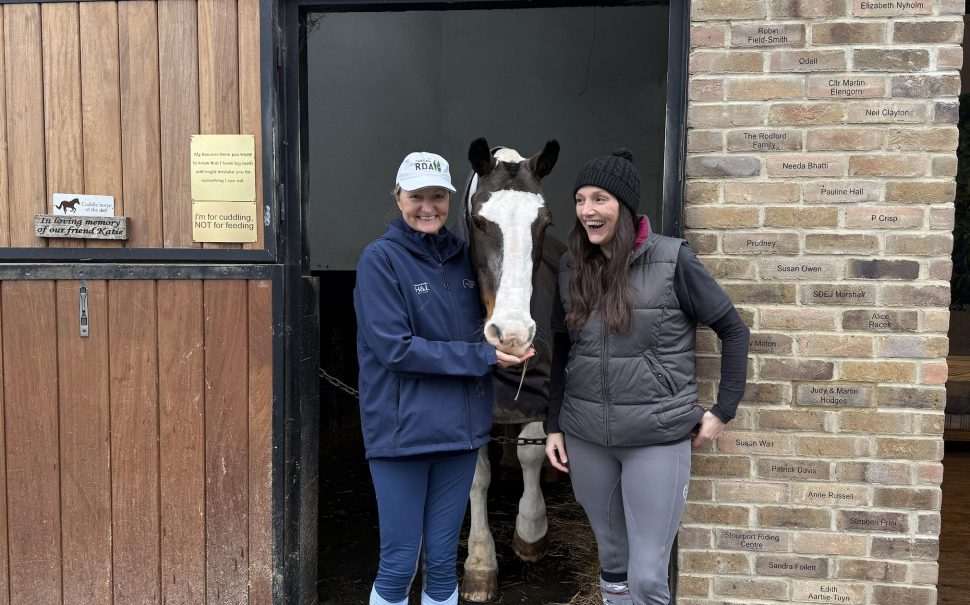
On a quiet stretch of Park Lane in Teddington, something quietly extraordinary is happening.
From the outside, the RDA Park Lane Centre looks modest: a small visitor centre and a handful of stables. But step inside, and it becomes clear that this is no ordinary stable – this is a lifeline.
The Riding for the Disabled Association (RDA) is a national charity, with centres across the UK, supporting people with physical disabilities, learning difficulties and mental health challenges – from children with autism to people living with dementia.
Often described as the equine equivalent of PAT (Pets As Therapy), the RDA’s work is both grassroots and life-changing. And its Park Lane centre, founded and led by Natalie O’Rourke MBE, is one of its most powerful examples.
As Lisa Davies, head of communications at RDA says: “This place is about belonging. People hear about horses through elite sport, welfare scandals or hunting debates – often the negative sides.
“What we do here shows another truth. Horses can bring people together in a safe, inclusive space and support both physical and mental health in a way very little else can.”
Horses for everyone
Park Lane is a ‘pay what you can’ centre. Some riders access sessions through council grants, others volunteer in exchange for time with the horses. Many volunteers arrive with no horse experience at all.
The demand is enormous. One in four people in the UK is registered as disabled, and referrals continue to rise.
“We absolutely rely on volunteers,” Natalie says. “Some of our riders need four humans around one horse – a leader, two side walkers and a therapist. Without volunteers, none of our work can happen.”
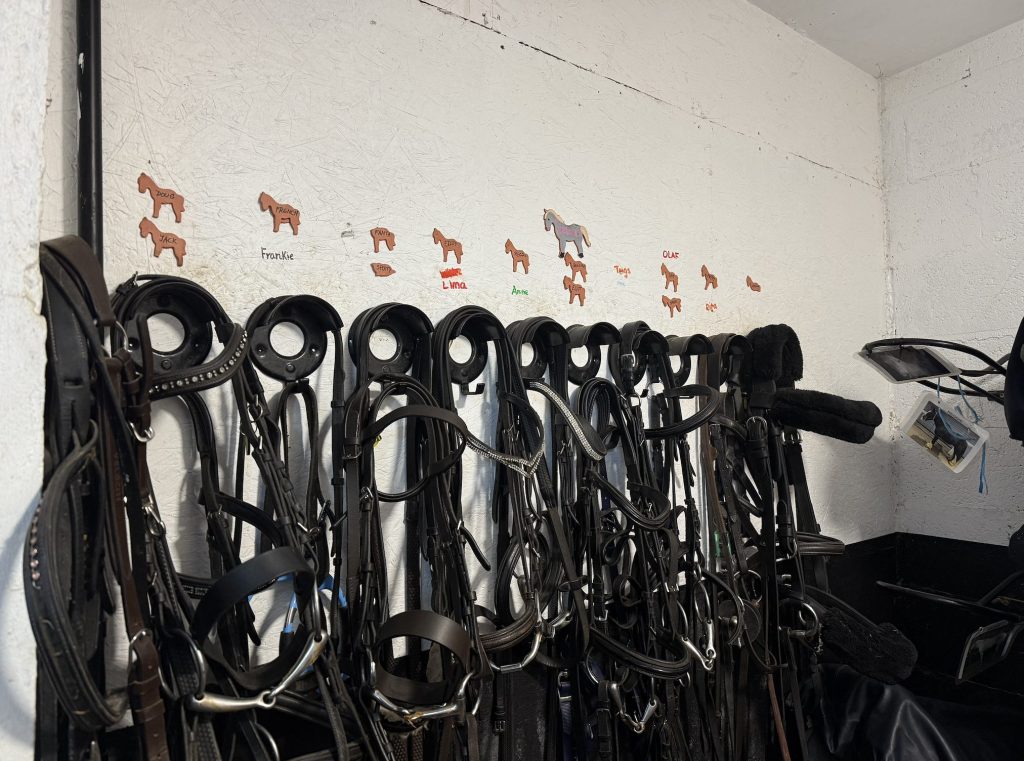
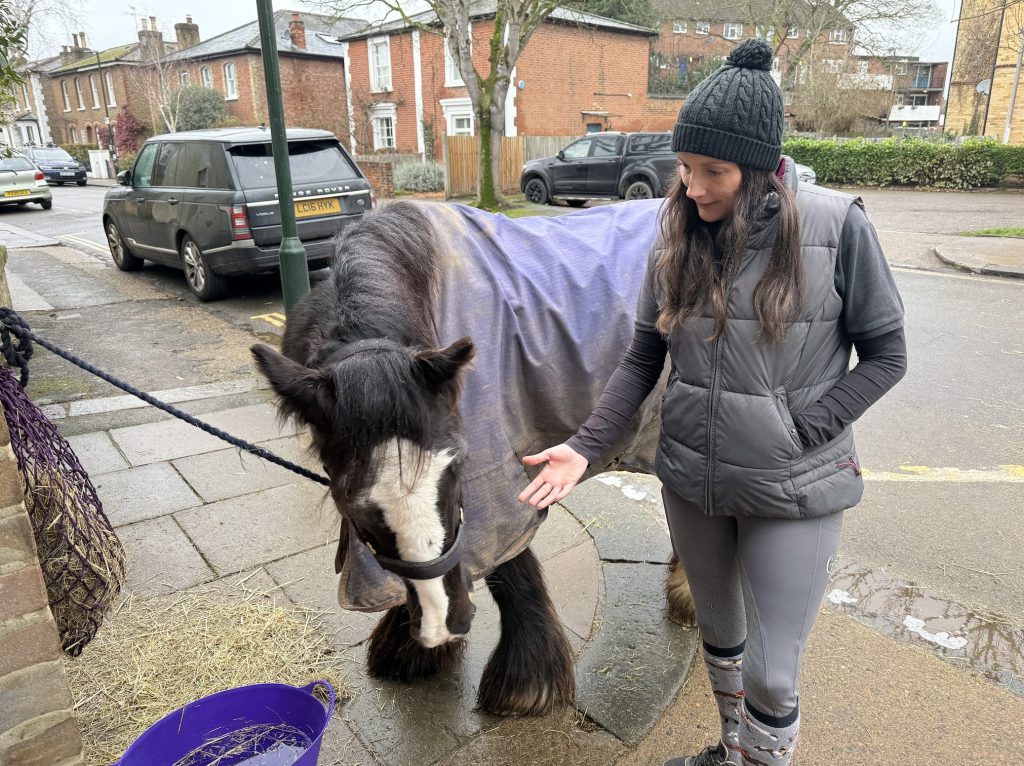
The centre’s horses are carefully chosen for their temperament. There’s Mac, a 20-year-old “Russian gentleman” with a soft soul, perfect for grooming sessions and nervous visitors, Olaf, the tiny newcomer with a bug character and Bee, a towering Belgian draft horse with the gentlest nature imaginable. Each horse has a role of their own.
More than riding
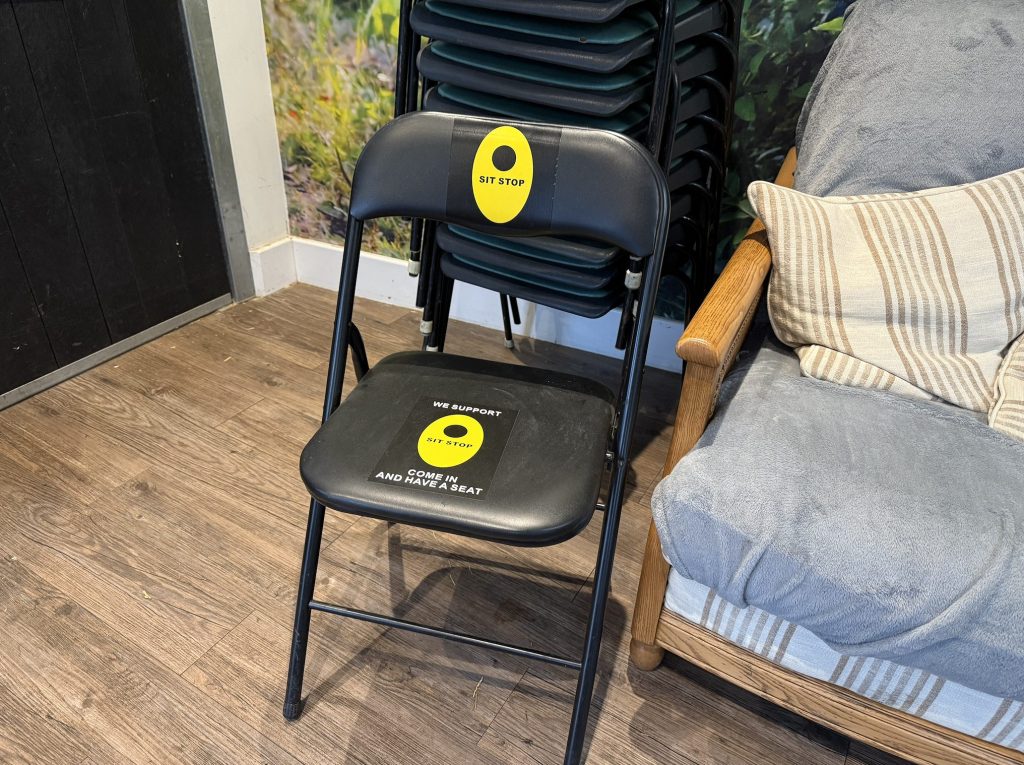
Not all support happens in the saddle. Park Lane is also a Warm Hub, meaning anyone can walk in off the street for company, a cup of tea or a quiet moment with a horse.
“We’ve taken away that barrier,” Natalie says. “People will find a horse, and they’ll also find a human to talk to.”
Last year, one man arrived at the centre with his elderly neighbour, recently widowed and suicidal. The neighbour spent time cuddling Princess, one of the horses, and began to cry.
Later, over a cup of tea, he explained to the team: “I didn’t have a reason to live this morning. Now I do,” and he now visits regularly on the bus.
And, the charity’s impact ripples beyond the stables. Its impact report showed that just 30 minutes at the centre can calm and regulate a child enough to affect their schooling, behaviour and wellbeing for days afterwards.
There’s even scientific evidence that a child’s heart rate can synchronise with a horse’s, creating a deeply calming effect.
On Tuesdays, children who struggle to attend school come to the centre instead. Maths and English lessons are woven into practical tasks – weighing hay and measuring feed – learning by doing, in a space where they feel safe.
Hippotherapy
For children with severe physical disabilities, Park Lane offers hippotherapy – structured physiotherapy delivered through the movement of the horse.
Conducted in a controlled arena for safety, sessions involve a team of trained volunteers and therapists.
As Laura, a volunteer at Park Lane explains: “The movement of the horse activates muscles that wouldn’t otherwise be used.
“Over time, side walkers often support less and less as children develop core strength and balance. The changes can be extraordinary.”
In Natalie’s words, the horses chosen for this work are “bombproof” – calm and steady – ensuring riders enjoy safe and comfortable experience.
Volunteers with lived experience
What truly sets Park Lane apart is its people. Many staff and volunteers have lived experience of mental illness, physical challenges or trauma.
“That lived experience makes this place empowering,” Natalie says. “For example, we’ve had parents of children with visual impairment see blind staff members working here and it helps them see, ‘my child could have a job one day’. That’s huge.”
Laura is one such volunteer. A survivor of an abusive relationship, she arrived at Park Lane five years ago during a mental health crisis, accompanied by her social worker because she was too frightened to come alone.
Horses had once been her passion, before years of control, isolation and financial dependence forced her to give them up.
“I felt safe the moment I arrived,” she says. “This place is my lifeline. Genuinely.”
Laura now volunteers twice a week, works part-time at a local school supporting children with additional needs and is undertaking her formal training to become an RDA coach. She describes Park Lane as her “medicine” – the structure, purpose and community that keep her day-to-day life steady.
Saved by the community
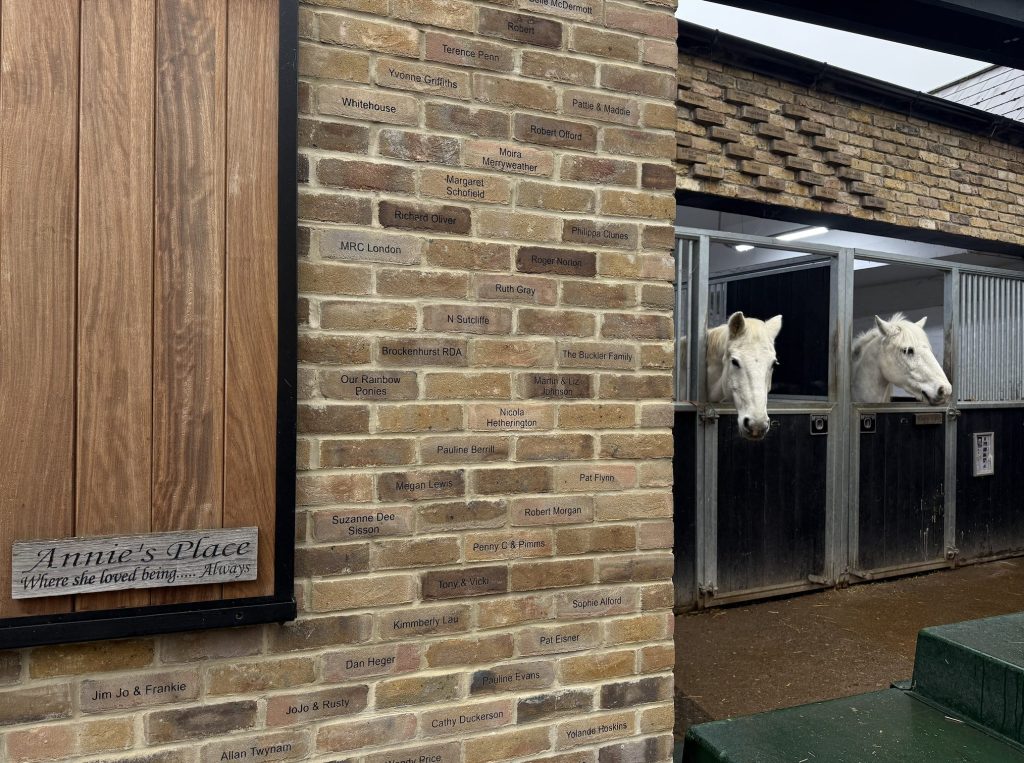
During the pandemic, Park Lane launched a crowdfunding campaign to help save the centre, which was facing the threat of closure. They raised £1.6 million in a matter of weeks – the second biggest UK crowdfunder after the NHS appeal.
Over 1,000 people from around the world purchased personalised bricks for £100 each. Their names now adorn the exterior of the centre, a testament to its importance to the community.”
Natalie, who has been nominated for this year’s Grassroots Sportsperson of the Year and has been recognised nationally, is also a towering presence locally.
Her vision is simple: more RDAs, more access and more horses in communities that need them.
“We’re often a stepping stone for both our volunteers and our riders,” Natalie says. “We give people achievable tasks. Errorless learning. We build confidence in increments. Then they fly the nest – into work, education, independence. And sometimes they come back, and that’s lovely too.”
A quiet corner of hope
At a time when statutory support services are stretched and loneliness is widespread, Park Lane offers something simple but powerful: time, patience and attention.
It shows that support and healing don’t always happen in clinical spaces or classrooms, sometimes they happen in a stable, over a cup of tea, with a horse providing calm and unconditional company.
As Natalie explains: “Things don’t change overnight. But this place gives people a reason to keep going.”
Featured image credit: Georgia Rowe