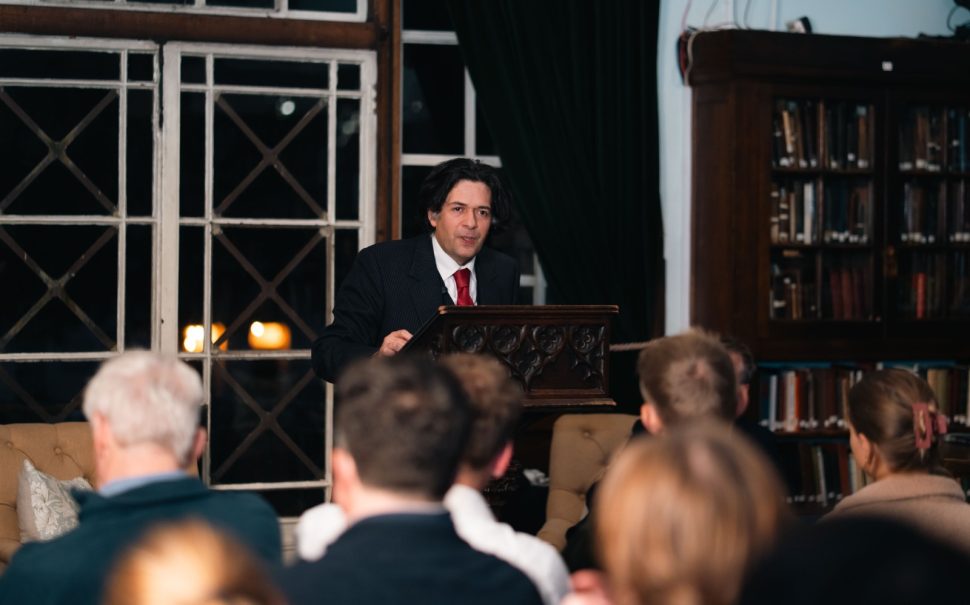
If you have ever wished you knew more about Goethe’s novels, or wanted to show off your appreciation for the tragedies of Euripides, this series of events in Holborn could be just what you’re looking for.
The Canon Club is the brainchild of writer Ed West, and aims to offer talks on key works of the Western canon that the average person might have heard of, but remain somewhat ignorant of.
To date, the club has hosted events on the work of John Milton, Richard Wagner, Samuel Taylor Coleridge, Renaissance architect Andrea Palladio, and Athenian playwright and poet Euripides. Its most recent talk was on Goethe, with Associate Editor of The Critic, Sebastian Milbank.
Organiser Will explains that in the past, people would have enjoyed a common cultural canon that they had be able to reference and that would structure their thinking about their culture.
Now, he says, this shared experience has been lost.
Will says: “People are aware of the figures, they’ve heard of them, but they’re not immersed in their work. The aim is to provide that sort of experience with other like minded people who are also interested in it.”
The series of events came about after West wrote a Substack article proposing ‘an idea for a sort of club where people come and listen to talks about a particular feature of the western canon’.
After lamenting his own ignorance in areas like classical music and poetry, West surmised that there might be a public appetite for filling in gaps in our knowledge of great works that would once have been commonly known but are slowly slipping out of public consciousness.
It seems he was right.
After outgrowing the pub function room it began in, Britain’s first Canon Club has relocated to the library in Conway Hall, Holborn.
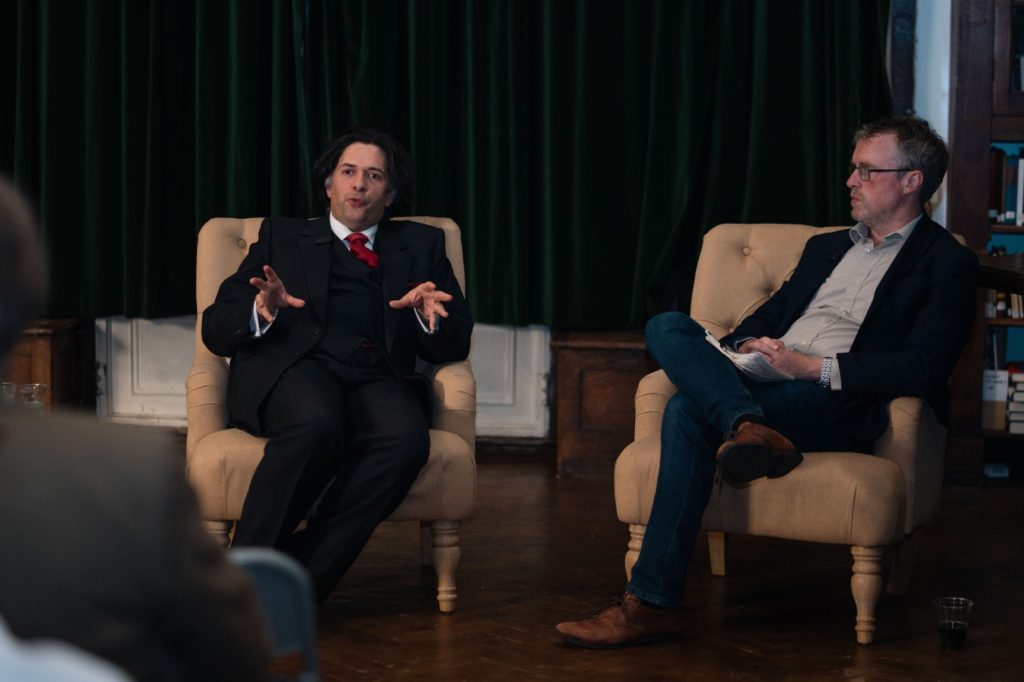
West hosts the sessions which consist of a 45 minute talk, a 15 minute break, and then half hour of questions.
A pop up bar serves drinks throughout the evening, and the discussion carries on afterwards in a pub next door.
On choosing speakers, Will says he and his co-organiser, Alice have been selective: “We’re not necessarily looking for a university professor for specialists, they might not be able to bring the layman in.
“It’s part of the whole thing of who’s it for? Because there are obviously lots of people talking about all these topics in English departments at universities, and then there’s the other end, I’m sure you could find a YouTube video on these characters, but can you have someone that can bring intelligent but non expert people along, and get them interested?”
So, what do people get out of it?
Will thinks that there are two benefits to Canon Club; learning from the speaker, and the creation of community.
He said: “It’s definitely both, I couldn’t say which is more important, but I think the community aspect, and the idea that in some small way you’re engaged in a shared project matters”.
“I guess I feel proud when I see that sixty people have paid money to come and see this event that we’ve organised, and it’s nice to have taken an idea from a Substack post into the real world.”
What do the punters have to say?
Regular Alex said: “Canon Club events are genuinely unique, stimulating, and intellectually accessible – but most importantly, leave me feeling like slightly less of a philistine afterwards!”
Joseph has been to the club several times and said: “For me the Canon Club is a way to get exposure to the thoughts and works of great men that we should be more familiar with.
“Despite the presence of their work in our day to day lives, the attention of popular culture is focused on other matters, which I think is a great pity.”
In 2026, the Canon Club is hoping to expand to other cities. This was always West’s vision. Currently, all events are in London and Will is conscious that creating other clubs around the country will involve a lot of organisation.
For now, he’s planning an event on the Brontë sisters.
You can follow the club’s X account here, or find all their links at canon.club – Listen on YouTube, Spotify – Linktree
Featured image credit: Dr Bijan Omrani at the Canon Club, by: Oliver Huitson