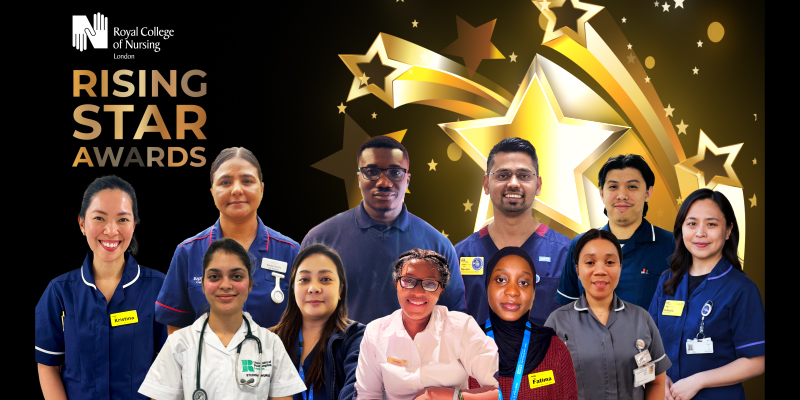
Amid doctors’ strikes, pay disputes and anti-migration rhetoric, the dedication and excellence of London’s international nurses and healthcare staff has been recognised by the Royal College of Nursing’s Rising Star awards.
These awards celebrate those who go above and beyond in their roles, improving patient outcomes, supporting colleagues, and shaping the future of care.
This year’s awards shine a particular light on internationally trained nurses working across London, whose contributions span hospital care, staff education and social care.
RCN Regional Director for London, Lisa Elliott, said: “Through their innovation, leadership, and compassion, they’ve raised the bar for patient care and inspired those around them.
“Their dedication not only transforms lives but empowers colleagues to strive for excellence. These winners are true trailblazers.”
Speaking with the South West Londoner, three Rising Star winners gave their thoughts on the meaning of the award.
Naveen Harikumar – Northwick Park Hospital
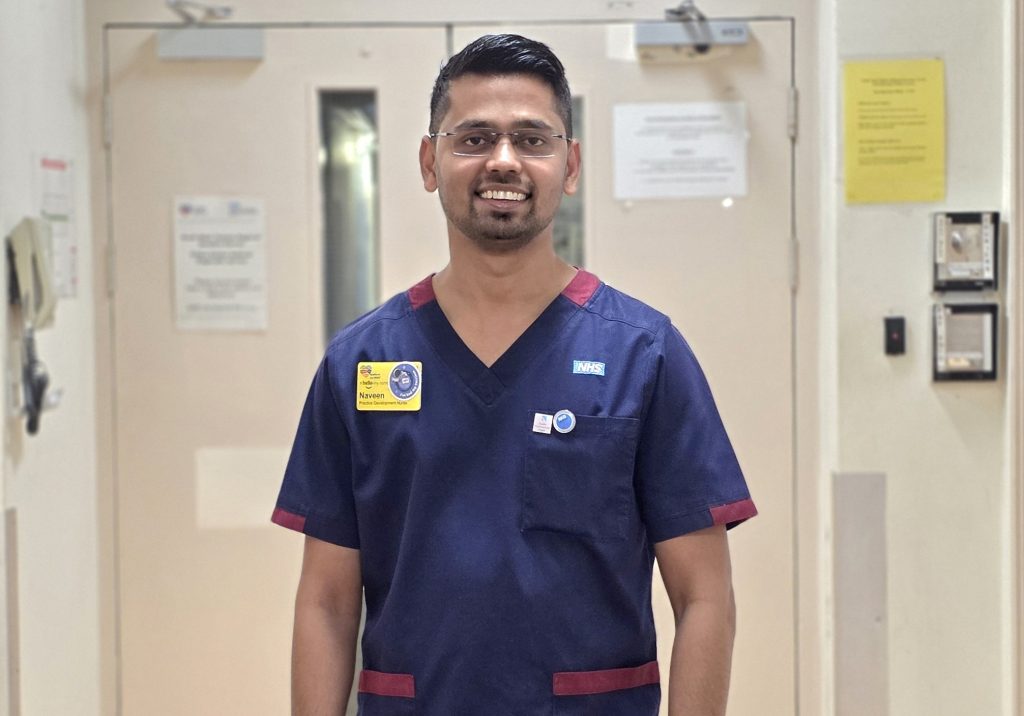
For Harikumar, this award was not just a recognition of his own dedication, but of the support and mentoring he received along the way, which he is now determined to pass on.
Hailing from Kerala in southern India, he has been a hospital nurse since 2015, before coming to the UK in 2019, where he joined the stroke unit at Northwick Park Hospital, one of the busiest in the country.
Harikumar is now a Practice Development Nurse and is involved in diaspora organisations, food bank collections, stem cell donor campaigns, and career workshops, mostly supporting overseas nurses.
He hopes to provide the support that he knows new international nurses need.
Harikumar said: “It was an honour to win the award. It reflects the mentorship and support I received, and the effort to pass that support on.
“I understand the anxiety, stress, excitement, and pressure that come with starting work in a new country.
“New systems, new language, being away from family: it’s a lot.
“My role allows me to support international nurses because I know how they feel. I try my level best to support them.”
Establishing a holistic orientation framework, Harikumar’s programme provided emotional support alongside the necessary clinical skills, with clear plans, regular check-ins, and ongoing mentorship.
Harikumar added that in his field of stroke care and rehabilitation, more than half the nurses are international.
The Rising Star winner concluded: “Overseas nurses are everywhere in the NHS and there is no disparity in quality or contribution.
“Many patients recognise this and openly say they don’t believe the NHS could function without international nurses.”
Katherine Anne Uy Saeb – Northwick Park Hospital
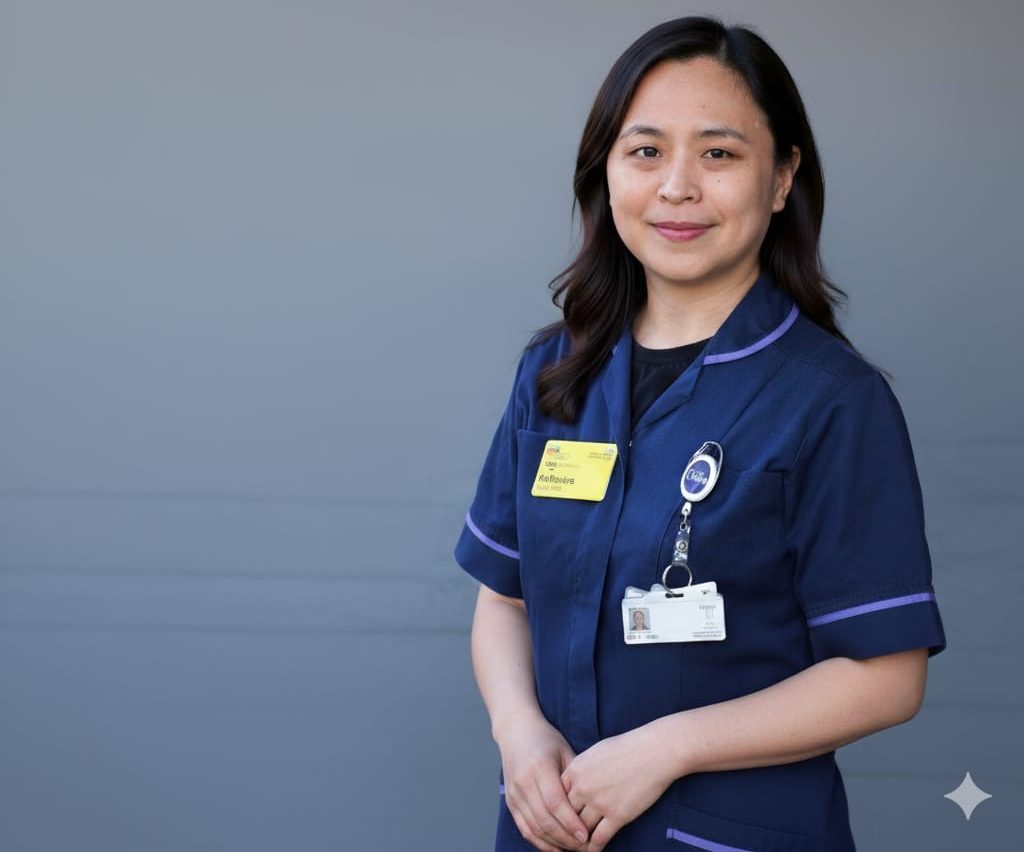
Katherine Anne Uy Saeb’s journey to becoming a Clinical Ward Sister at Northwick Park Hospital began in the Philippines, where she trained and worked in senior nursing roles.
Saeb said: “When you come to the UK, there are gaps at first, but we don’t come as empty plates.
“We bring experience, leadership and management skills.”
Katherine was recognised as an RCN Rising Star for pioneering the Time to Turn initiative, which reduced skin damage cases on her ward by nearly 90%.
During busy periods, patients who are unable to move themselves are sometimes left by overworked nurses in the same position for a long period of time can develop ‘bed sores’.
Using simple but effective tools, including timed prompts and visual reminders, the initiative focused on consistent patient repositioning to prevent skin and tissue damage.
The idea emerged at a time when pressure on wards was intense, and staff morale was low.
Saeb said: “I asked everyone for their opinion, from the housekeeper to the specialists.
“I wanted everyone involved. I didn’t want it to be just my idea.”
Saeb recalled that the message spread, with a research coordinator volunteering to be the ‘alarm keeper’, a role that went outside her job description.
Soon, even the head of nursing joined the movement.
But the impact of Time to Turn went far beyond clinical outcomes.
Saeb reported morale improvement, rebuilt relationships with therapists and restored pride in the ward following a high-pressure ‘headless chicken’ period, marred by resignations and burnout.
For Saeb, the award is a moment of recognition not just for her, but for her colleagues.
The Rising Star winner said: “At last, someone has seen our efforts.
“We are now role models. Other nurses know there is someone who can support them.”
Carolyn Kaira – KYN Bickley Care Home
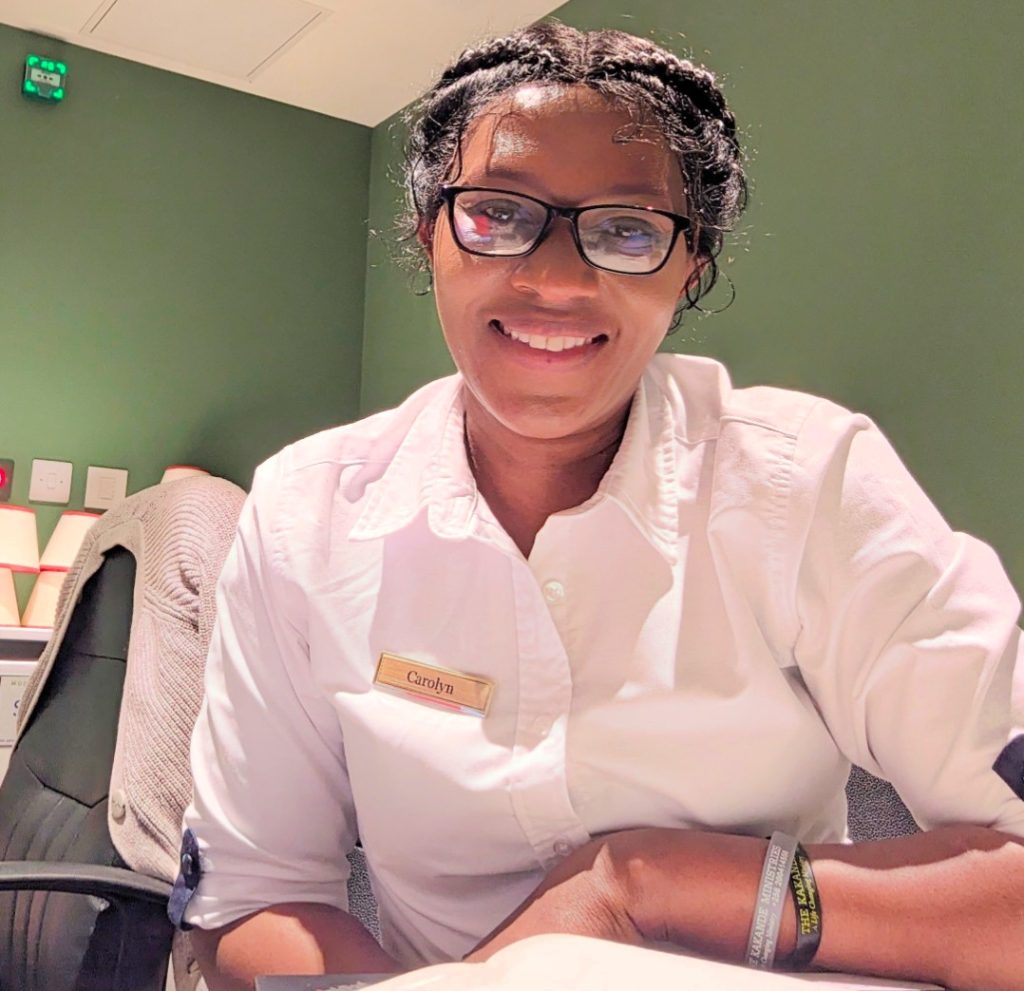
While hospital nursing often dominates public attention, Carolyn Kaira’s work highlights the critical, and often overlooked, role of nurses in social care.
Arriving in the UK from Zambia in 2018, Kaira has been a nurse for 33 years, working for the mines, private hospitals in Lusaka and Medical Air Rescue, bringing a wealth of knowledge and experience with her.
Kaira applies this expertise to working with elderly patients in care homes, attending to their mental and physical needs.
Her work improving pain assessment for residents living with dementia, earned her this year’s Rising Star award.
She said: “How do you identify pain when someone can’t tell you? That’s what we had to figure out.”
By introducing structured assessment tools and working closely with St Christopher’s Hospice, her team was able to better understand residents’ pain levels and provide more appropriate care and medication.
Kaira said: “Dementia is so hard; these people are fading away.
“Nurses are the ones there day to day, helping them through that.”
For Kaira, winning the RCN Rising Star Award sends an important message about the value of social care nursing.
She said: “It tells everyone that nurses are important, that we do great and mighty things; it pushes me to work harder and do more.
“Nursing is about love, not about money. In my country, I earned £200 a month.
“It’s about caring for people who cannot care for themselves.”
International nurses are vital to the survival of the UK social care system. Yet new exams and immigration restrictions are set to make Health and Social Care Worker visas harder to obtain.
Kaira said: “Being an immigrant is hard enough, but before you even come to the UK, you have to pass a series of demanding exams; IELTS, OET, then the CBT, followed by the OSCE.”
The restriction on care workers bringing family members to the UK is having a particularly sharp impact.
Nuffield Trust researcher, Cyril Lobont, said: “Social care has been entirely reliant on recruitment of non-UK nationals to meet growing demand.
“Health and Social Care Worker visas were once the main source of overseas social care workers, but the number of visas being granted has now fallen close to zero.
“When immigration policy is implemented suddenly without proper coordination across government and with little regard for the impact on essential care services, changes can come in at speed, but the problems they create then take years to fix.”
The government’s 2025 Fair Pay Agreement was aimed at accounting for this downturn by attracting more domestic recruits into social care.
Yet this is not set to take effect until 2028, when £500 million has been pledged for the first year of implementation to drive an influx of British nationals into this vital sector.
John Considine, RCN communications manager, said: “Politicians are using toxic anti-immigrant rhetoric while being completely dependent on international nurses to keep health and social care functioning.
“It’s speaking out of both sides of the mouth, applauding while dismissing. We say: stop it, be grown-ups.
“The NHS and social care would not survive without people like Carolyn, Katherine, and Naveen.”
The full list of winners is: Carolyn Kaira, KYN Bickley Care Home; Divanshi Sharma, University of Roehampton; Andrea Rosete, Charing Cross Hospital, Imperial College Healthcare NHS Trust; Katherine Anne Uy Saeb, Northwick Park Hospital, London North West University Healthcare NHS Trust; Rexford Osei-Bonsu, Brixton Donor Centre, NHS Blood and Transplant; Smita Patelia, Lynde House Care Home, Barchester Healthcare; Von Jerold Buendia, St Mary’s Hospital, Imperial College Healthcare NHS Trust, Fatima Sonko, Guy’s and St Thomas’ NHS Foundation Trust, Maria Kristina Talusan, Barking, Havering, Redbridge University Hospitals NHS Trust; Naveen Harikumar, Northwick Park Hospital, London North West University Healthcare NHS Trust; Lovehan Dacres, Hammersmith Hospital, Imperial College Healthcare NHS Trust and Ruhel Ahmed, Parsons Green Health Centre, Central London Community Healthcare NHS.
Main Image Credit: The Royal College of Nursing
Read next: TfL shortlists Putney Bridge station for accessibility study after years of campaigning